
Books in English
Browse our library of books in English to learn English at your level — beginner (A1–A2), intermediate (B1–B2), or advanced (C1–C2). Tap any unknown word in the Clue app to translate instantly and stay in the story.
Category
1405 books
Hester
Margaret Oliphant
intermediate
Hindu Tales from the Sanskrit
S. M. Mitra
intermediate
His Family
Ernest Poole
intermediate
His Last Bow
Arthur Conan Doyle
intermediate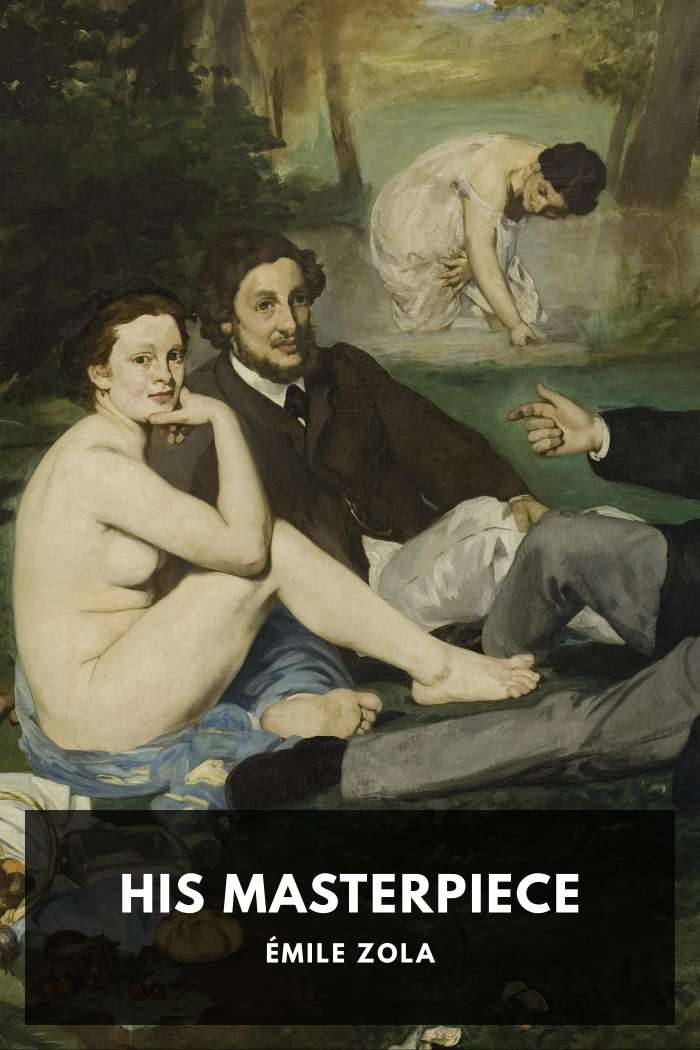
His Masterpiece
Émile Zola
advanced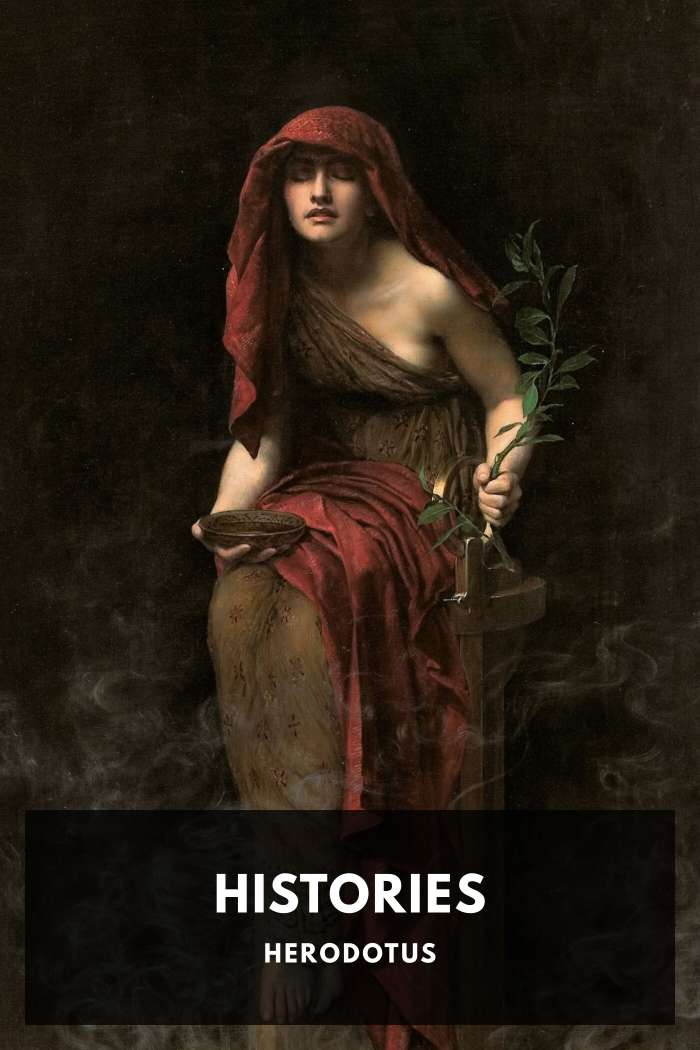
Histories
Herodotus
advanced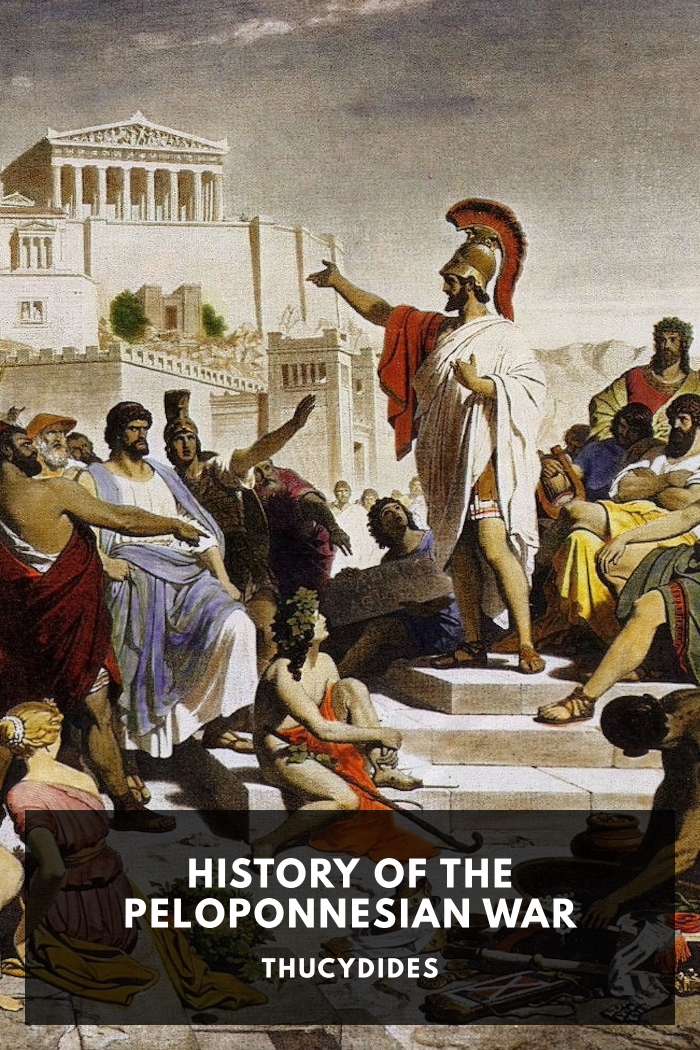
History of the Peloponnesian War
Thucydides
advanced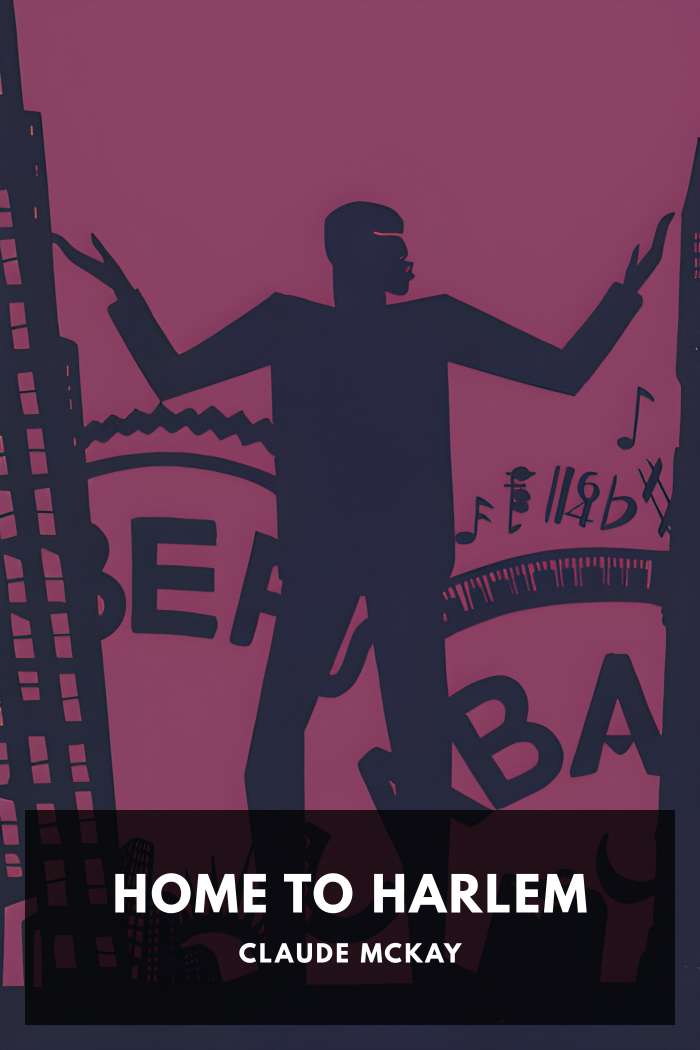
Home to Harlem
Claude McKay
intermediate
Honeycomb
Dorothy M. Richardson
advanced
Household Tales
Jacob Grimm
beginner
How the Other Half Lives
Jacob Riis
intermediate
How to Tell the Birds from the Flowers and Other Woodcuts
Robert Williams Wood
intermediate
Howards End
E. M. Forster
advanced
Hudibras
Samuel Butler
advanced
Hudson River Bracketed
Edith Wharton
advanced
Human Nature and Conduct
John Dewey
advanced
Hunger
Knut Hamsun
advanced
Hunting for Hidden Gold
Franklin W. Dixon
beginner
Huntingtower
John Buchan
intermediate
I Will Repay
Baroness Orczy
intermediate
Idylls of the King
Alfred, Lord Tennyson
advanced
In Darkest London
Ada Elizabeth Chesterton
intermediate
In Search of Lost Time
Marcel Proust
advanced
In Search of the Castaways
Jules Verne
intermediate
In the Days of the Comet
H. G. Wells
intermediate
In the Midst of Life
Ambrose Bierce
advanced
Incidents in the Life of a Slave Girl
Linda Brent
intermediate
Indian Fairy Tales
Joseph Jacobs
beginner
Indian Summer
William Dean Howells
intermediate
Indiscretions of Archie
P. G. Wodehouse
intermediate
Inspector French’s Greatest Case
Freeman Wills Crofts
intermediate
Invaders from the Infinite
John W. Campbell
intermediate
Iola Leroy
Frances Ellen Watkins Harper
intermediate
Irish Fairy Tales
James Stephens
intermediate
Islands of Space
John W. Campbell
intermediate
Ivanhoe
Walter Scott
advanced
Jack Keefe Stories
Ring Lardner
intermediate
Jacob’s Room
Virginia Woolf
advanced
Jane Eyre
Charlotte Brontë
advanced
Jean-Christophe
Romain Rolland
advanced
Jeeves Stories
P. G. Wodehouse
intermediate
Jibby Jones
Ellis Parker Butler
intermediate
John Brown’s Body
Stephen Vincent Benét
advanced
John Silence Stories
Algernon Blackwood
intermediate
Journals
Alexander Mackenzie
advanced
Journey to the Center of the Earth
Jules Verne
intermediate
Jude the Obscure
Thomas Hardy
intermediate
Julius Caesar
William Shakespeare
advancedReading is the highest-density way to absorb a language. A single chapter of a good novel exposes you to more vocabulary, more grammar, and more idiomatic usage than an entire week of conversation classes. The reason most learners give up is mechanical: every unknown word means putting the book down, opening a dictionary, losing the thread.
Clue lets you keep the thread. Load any book — your own EPUB, a PDF, a plain-text file — and tap any word for an instant translation in your native language. The reading experience stays smooth, the dictionary is on your phone, and the words you save become a personal vocabulary list synced into the practice mode.
Why reading beats almost every other input
Spoken English uses about 5,000 words for 95% of conversations. Written English uses double that — and the extra 5,000 are the words that mark the difference between sounding competent and sounding educated. There is no shortcut. The only way to get those words into your head is to read a lot.
Reading also gives you the syntax of the language at native pace. You see how sentences fit together, how clauses nest, how a paragraph shapes an argument. None of this is teachable from a grammar table. It only soaks in through volume.
Bring your own books
Most learner apps give you a small library of leveled readers. Clue does not. Drop in any EPUB, PDF, or plain-text file from your iCloud Drive, and start reading. The reader strips ads, fixes typography, and lays out the page like a proper e-reader — comfortable margins, adjustable font size, day and night themes.
Project Gutenberg is a great starting point: 70,000 free public-domain English books, all loadable into Clue in seconds. Hemingway, Austen, Wilde, Dickens — the entire canon, free, with tap-to-translate on every word.
How tap-to-translate works while reading
Tap a word, get the translation. Tap a phrase by holding and dragging across it, get the phrase translation. The card never covers more than the bottom third of the screen, so you don't lose your place. Save the word with one tap if you want to review it later.
The 27,000-word dictionary is bundled inside the app. There is no network call per lookup, no API quota, no spinner. You can read in airplane mode for an entire flight and never hit a wall.
What to read at each level
Lower-intermediate: graded readers, simplified classics, short YA novels. Intermediate: contemporary fiction with clean prose — Fredrik Backman, Jojo Moyes, Kazuo Ishiguro. Advanced: literary fiction, essays, nonfiction. The Atlantic, the New Yorker, and the Guardian publish long-form essays that are excellent reading practice and free to copy into a plain-text file.
Pick a book you actually want to finish. The wrong book at the right level will fail you faster than the right book at slightly the wrong level. Motivation beats difficulty matching.
From reading to retention
Words you save while reading sync into Clue's flashcard practice. Quizzes pull the original sentence as context, so you remember where you met the word. After a few weeks the loop becomes: read a chapter, tap five or six words, run a quick review the next morning. Vocabulary you encountered in a real book sticks because you remember the story.
Read what you actually want to read
Open a book you would have given up on six months ago because the vocabulary felt too dense. Read the first page inside Clue, tap the words you don't know, and notice how the wall comes down. That is what learning English with books is supposed to feel like.
FAQ
Which file formats does Clue support?
EPUB, PDF, and plain text (.txt). Drop them in from iCloud Drive, Files, or any other source.
Can I read books I bought on the Kindle Store?
Not directly — Amazon DRM prevents this. But you can read DRM-free EPUBs from Project Gutenberg, Standard Ebooks, Tor, and many independent publishers.
Does it work offline?
Yes. Once a book is in your library, reading and dictionary lookups all work offline. You only need internet to download new books.
How big is the dictionary?
27,000 English headwords with translations into each supported native language. That covers the vast majority of words you'll meet in modern fiction and journalism.
Is there a Kindle integration?
No. Clue's reader is self-contained. The trade-off is that everything works offline and we control the typography and tap experience end-to-end.


