Books in English
Browse our library of books in English to learn English at your level — beginner (A1–A2), intermediate (B1–B2), or advanced (C1–C2). Tap any unknown word in the Clue app to translate instantly and stay in the story.
Category
1405 books
The Sorrows of Young Werther
J. W. von Goethe
advanced
The Souls of Black Folk
W. E. B. Du Bois
advanced
The Sound and the Fury
William Faulkner
advanced
The Special Correspondent
Jules Verne
intermediate
The Splendid Fairing
Constance Holme
intermediate
The Splendid Spur
Arthur Quiller-Couch
intermediate
The Sport of the Gods
Paul Laurence Dunbar
intermediate
The Spy in Black
J. Storer Clouston
intermediate
The Square Emerald
Edgar Wallace
intermediate
The Stainless Steel Rat
Harry Harrison
intermediate
The Starvel Hollow Tragedy
Freeman Wills Crofts
intermediate
The Story of Doctor Dolittle
Hugh Lofting
beginner
The Story of Gösta Berling
Selma Lagerlöf
intermediate
The Story of Ivy
Marie Belloc Lowndes
intermediate
The Story of My Experiments with Truth
Mahatma Gandhi
intermediate
The Story of My Life
Helen Keller
intermediate
The Story of the Amulet
E. Nesbit
beginner
The Story of the Treasure Seekers
E. Nesbit
beginner
The Story of Utopias
Lewis Mumford
advanced
The Strange Case of Dr. Jekyll and Mr. Hyde
Robert Louis Stevenson
intermediate
The Subjection of Women
John Stuart Mill
advanced
The Sun Also Rises
Ernest Hemingway
intermediate
The Sundering Flood
William Morris
advanced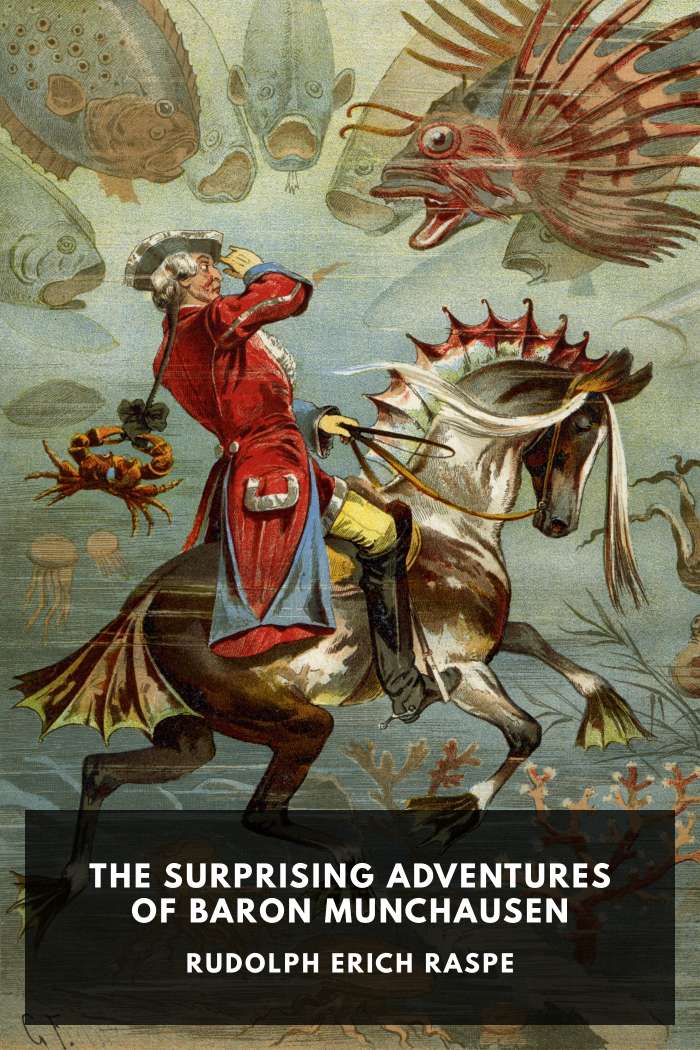
The Surprising Adventures of Baron Munchausen
Rudolph Erich Raspe
intermediate
The Survivors
Tom Godwin
intermediate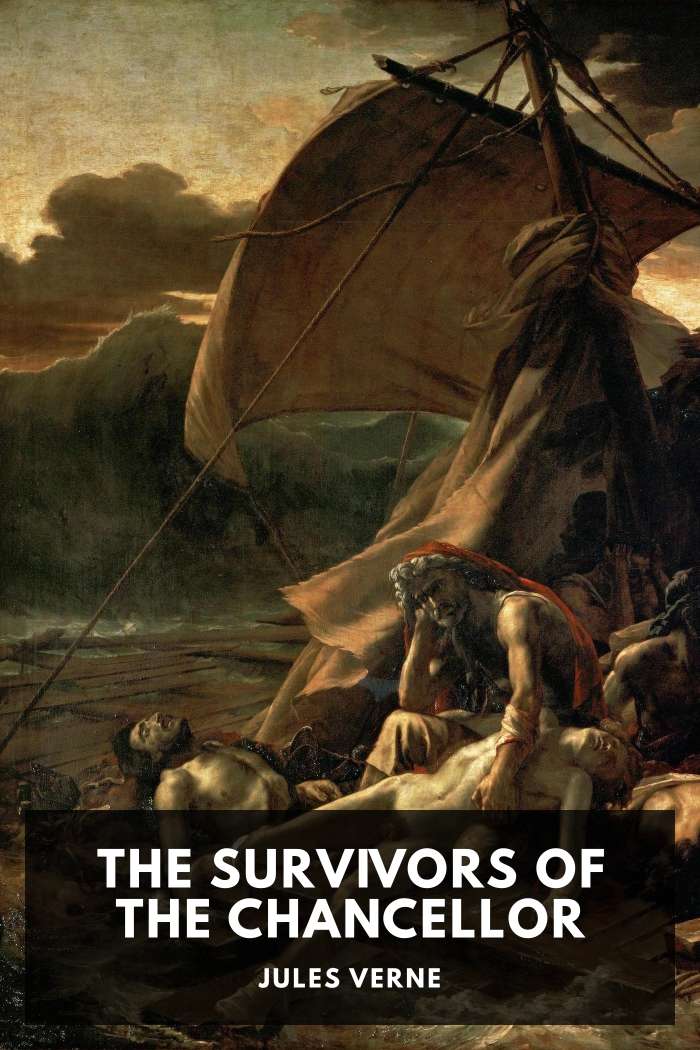
The Survivors of the Chancellor
Jules Verne
intermediate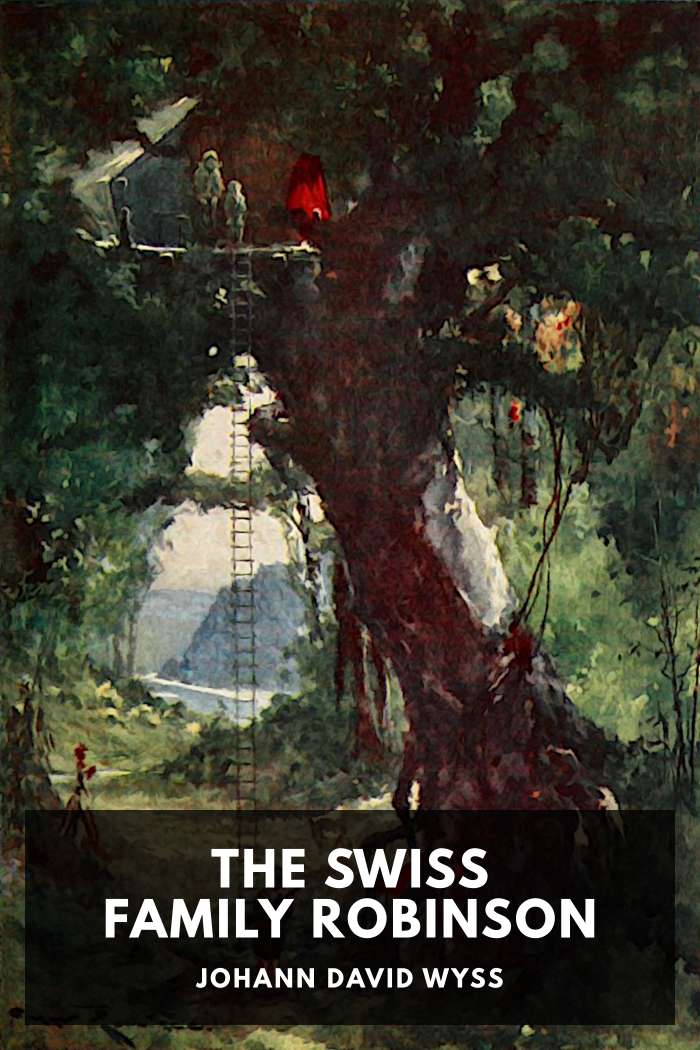
The Swiss Family Robinson
Johann David Wyss
beginner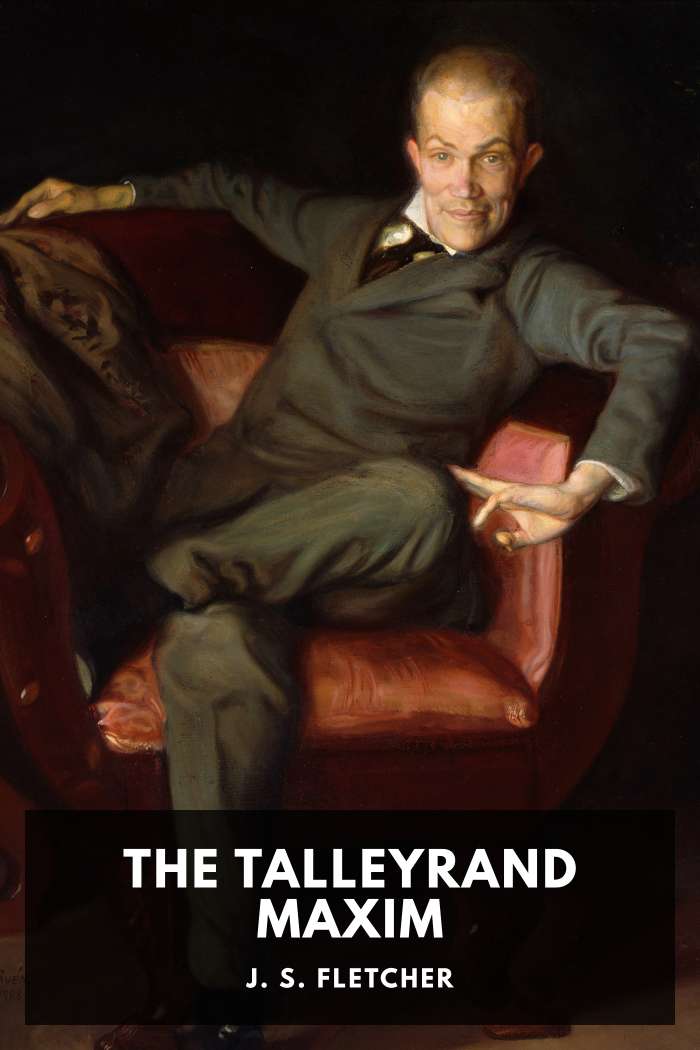
The Talleyrand Maxim
J. S. Fletcher
intermediate
The Taming of the Shrew
William Shakespeare
advanced
The Teeth of the Tiger
Maurice Leblanc
intermediate
The Tempest
William Shakespeare
advanced
The Tenant of Wildfell Hall
Anne Brontë
intermediate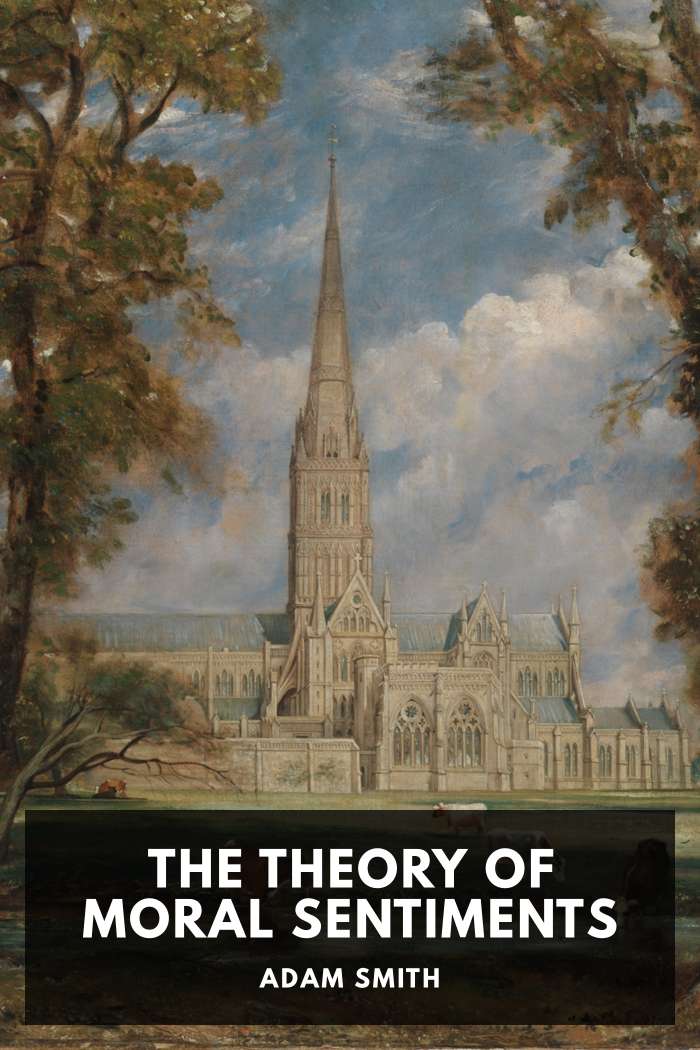
The Theory of Moral Sentiments
Adam Smith
advanced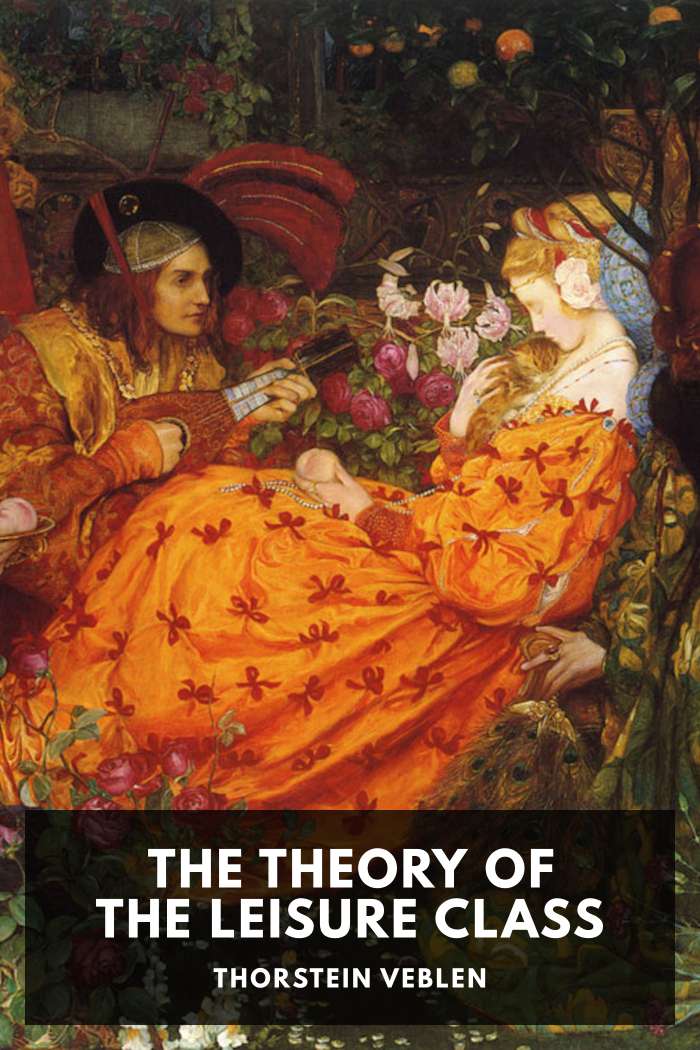
The Theory of the Leisure Class
Thorstein Veblen
advanced
The Thirty-Nine Steps
John Buchan
intermediate
The Three Hostages
John Buchan
intermediate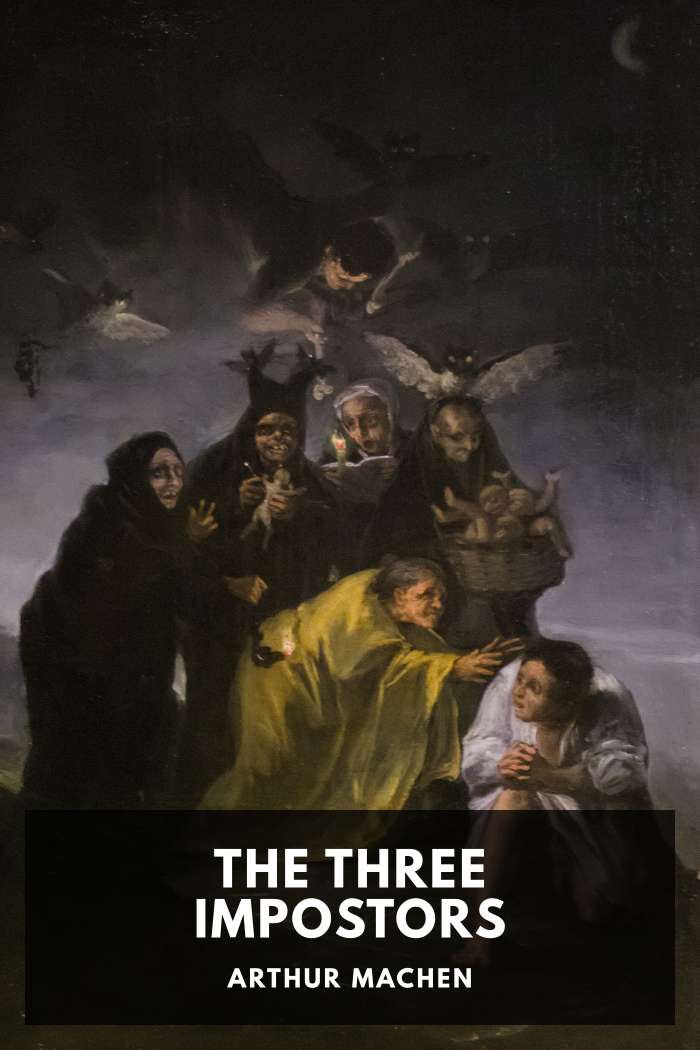
The Three Impostors
Arthur Machen
advanced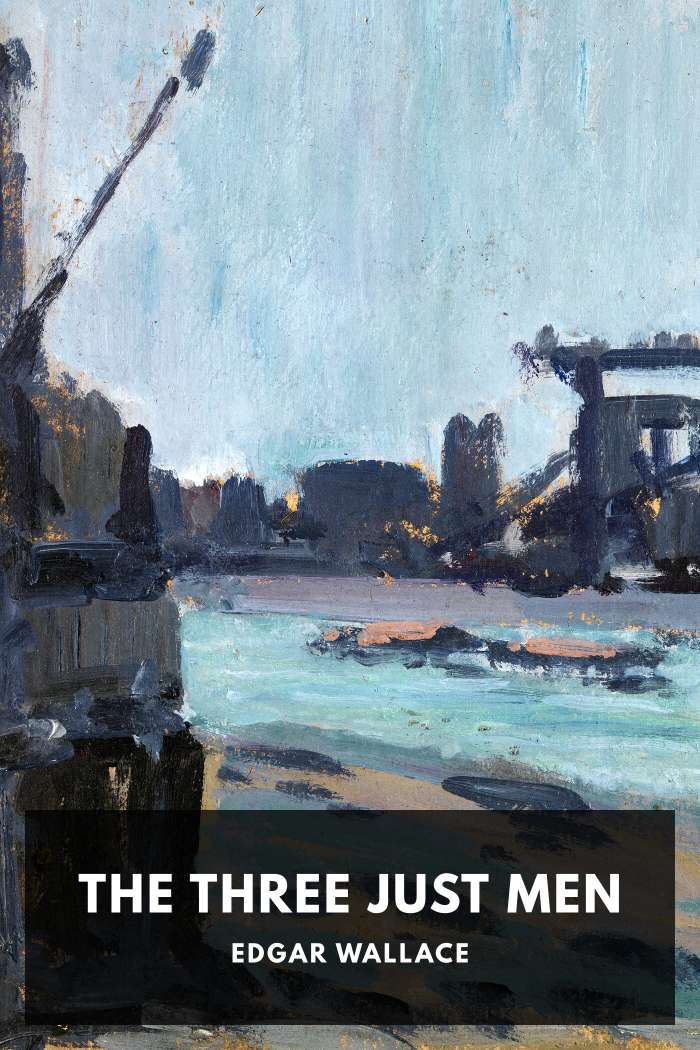
The Three Just Men
Edgar Wallace
intermediate
The Three Musketeers
Alexandre Dumas
intermediate
The Three Taps
Ronald A. Knox
intermediate
The Time Machine
H. G. Wells
intermediate
The Time Traders
Andre Norton
intermediate
The Titan
Theodore Dreiser
intermediate
The Tour
Louis Couperus
intermediate
The Tower Treasure
Franklin W. Dixon
beginner
The Trachiniae
Sophocles
advanced
The Tragical History of Doctor Faustus
Christopher Marlowe
advanced
The Trail of the Serpent
M. E. Braddon
intermediateReading is the highest-density way to absorb a language. A single chapter of a good novel exposes you to more vocabulary, more grammar, and more idiomatic usage than an entire week of conversation classes. The reason most learners give up is mechanical: every unknown word means putting the book down, opening a dictionary, losing the thread.
Clue lets you keep the thread. Load any book — your own EPUB, a PDF, a plain-text file — and tap any word for an instant translation in your native language. The reading experience stays smooth, the dictionary is on your phone, and the words you save become a personal vocabulary list synced into the practice mode.
Why reading beats almost every other input
Spoken English uses about 5,000 words for 95% of conversations. Written English uses double that — and the extra 5,000 are the words that mark the difference between sounding competent and sounding educated. There is no shortcut. The only way to get those words into your head is to read a lot.
Reading also gives you the syntax of the language at native pace. You see how sentences fit together, how clauses nest, how a paragraph shapes an argument. None of this is teachable from a grammar table. It only soaks in through volume.
Bring your own books
Most learner apps give you a small library of leveled readers. Clue does not. Drop in any EPUB, PDF, or plain-text file from your iCloud Drive, and start reading. The reader strips ads, fixes typography, and lays out the page like a proper e-reader — comfortable margins, adjustable font size, day and night themes.
Project Gutenberg is a great starting point: 70,000 free public-domain English books, all loadable into Clue in seconds. Hemingway, Austen, Wilde, Dickens — the entire canon, free, with tap-to-translate on every word.
How tap-to-translate works while reading
Tap a word, get the translation. Tap a phrase by holding and dragging across it, get the phrase translation. The card never covers more than the bottom third of the screen, so you don't lose your place. Save the word with one tap if you want to review it later.
The 27,000-word dictionary is bundled inside the app. There is no network call per lookup, no API quota, no spinner. You can read in airplane mode for an entire flight and never hit a wall.
What to read at each level
Lower-intermediate: graded readers, simplified classics, short YA novels. Intermediate: contemporary fiction with clean prose — Fredrik Backman, Jojo Moyes, Kazuo Ishiguro. Advanced: literary fiction, essays, nonfiction. The Atlantic, the New Yorker, and the Guardian publish long-form essays that are excellent reading practice and free to copy into a plain-text file.
Pick a book you actually want to finish. The wrong book at the right level will fail you faster than the right book at slightly the wrong level. Motivation beats difficulty matching.
From reading to retention
Words you save while reading sync into Clue's flashcard practice. Quizzes pull the original sentence as context, so you remember where you met the word. After a few weeks the loop becomes: read a chapter, tap five or six words, run a quick review the next morning. Vocabulary you encountered in a real book sticks because you remember the story.
Read what you actually want to read
Open a book you would have given up on six months ago because the vocabulary felt too dense. Read the first page inside Clue, tap the words you don't know, and notice how the wall comes down. That is what learning English with books is supposed to feel like.
FAQ
Which file formats does Clue support?
EPUB, PDF, and plain text (.txt). Drop them in from iCloud Drive, Files, or any other source.
Can I read books I bought on the Kindle Store?
Not directly — Amazon DRM prevents this. But you can read DRM-free EPUBs from Project Gutenberg, Standard Ebooks, Tor, and many independent publishers.
Does it work offline?
Yes. Once a book is in your library, reading and dictionary lookups all work offline. You only need internet to download new books.
How big is the dictionary?
27,000 English headwords with translations into each supported native language. That covers the vast majority of words you'll meet in modern fiction and journalism.
Is there a Kindle integration?
No. Clue's reader is self-contained. The trade-off is that everything works offline and we control the typography and tap experience end-to-end.