
Books in English
Browse our library of books in English to learn English at your level — beginner (A1–A2), intermediate (B1–B2), or advanced (C1–C2). Tap any unknown word in the Clue app to translate instantly and stay in the story.
Category
1405 books

The Fur Country
Jules Verne
intermediate
The Gadfly
Ethel Voynich
intermediate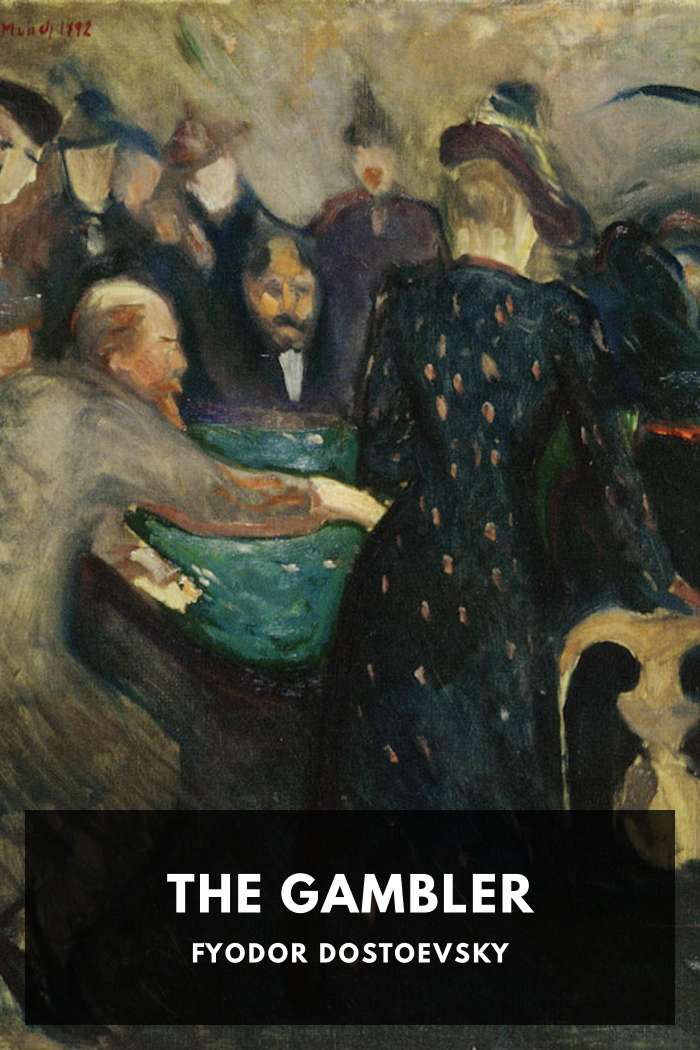
The Gambler
Fyodor Dostoevsky
intermediate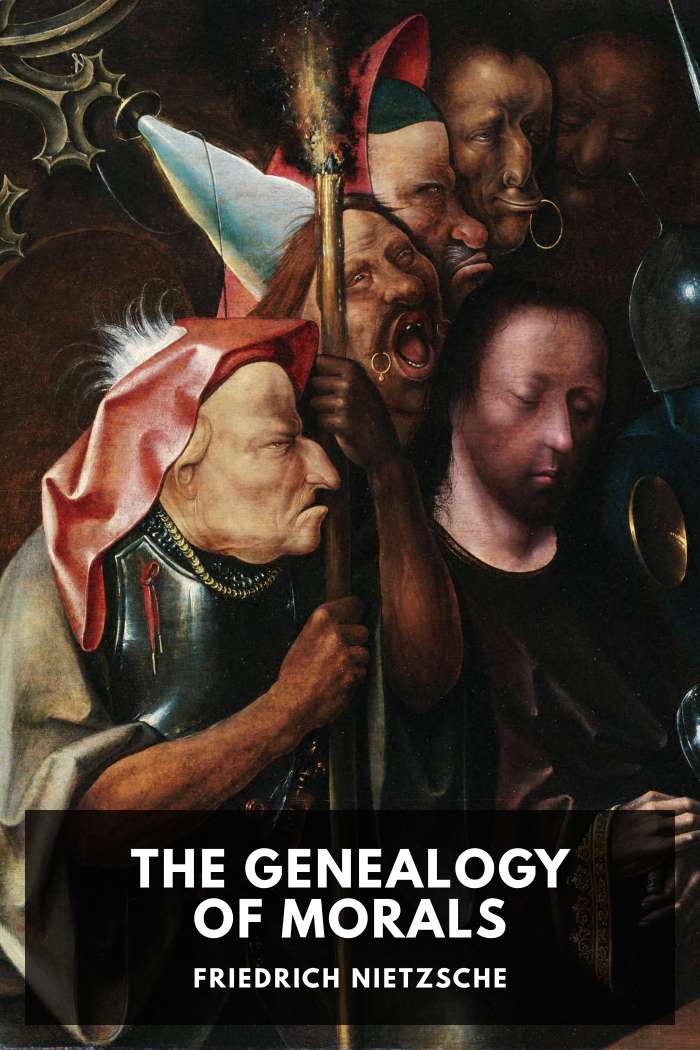
The Genealogy of Morals
Friedrich Nietzsche
advanced
The Georgics
Virgil
advanced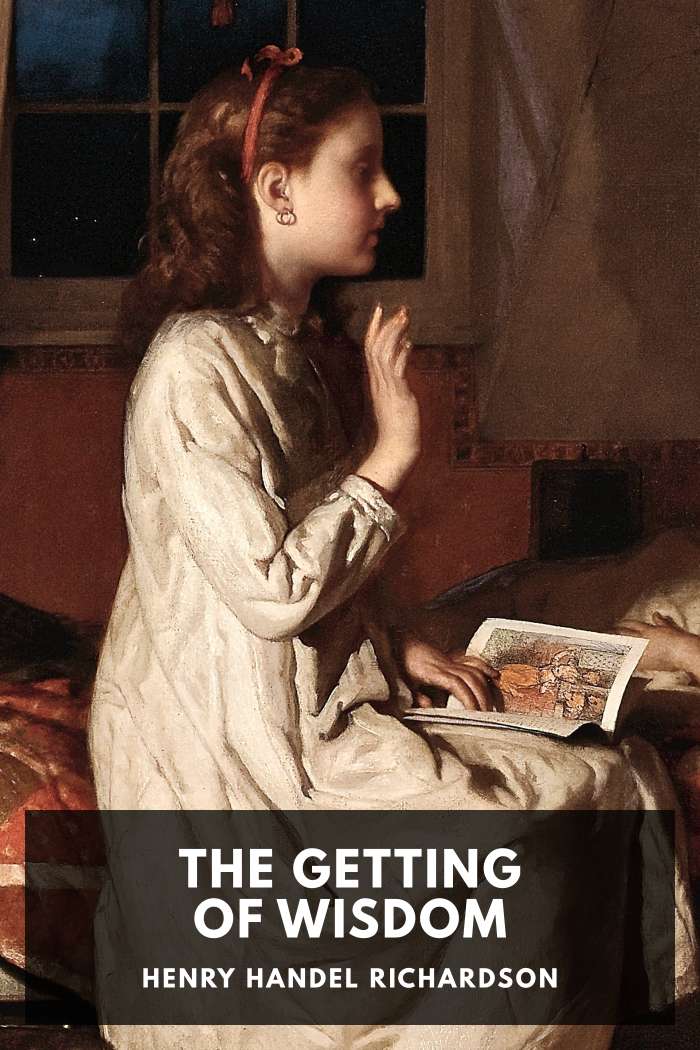
The Getting of Wisdom
Henry Handel Richardson
intermediate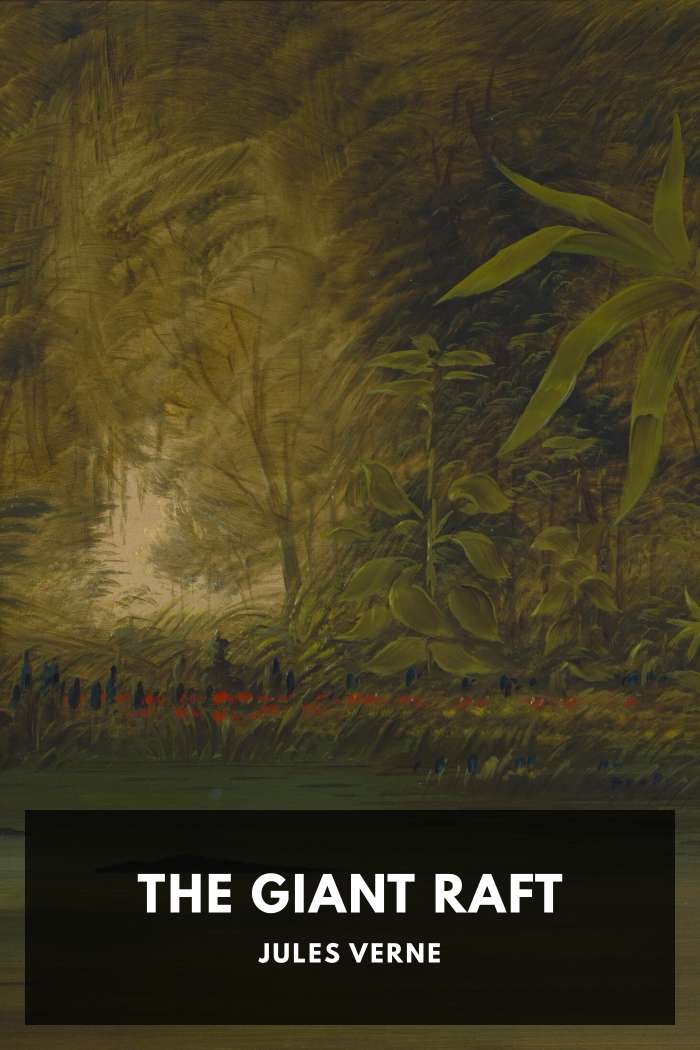
The Giant Raft
Jules Verne
intermediate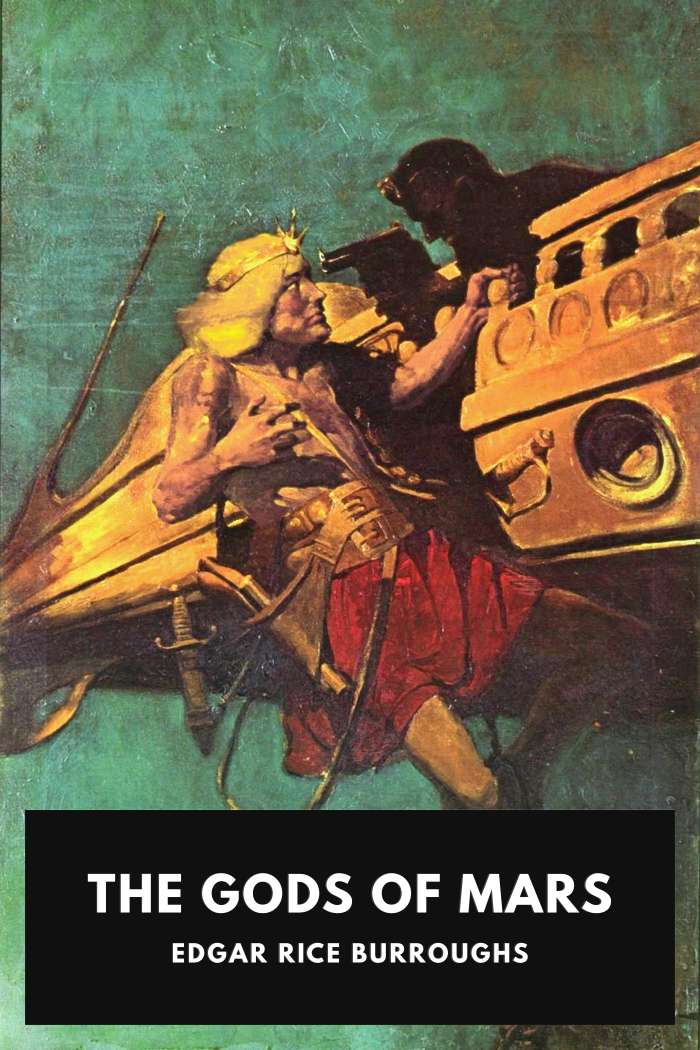
The Gods of Mars
Edgar Rice Burroughs
intermediate
The Gods of Pegāna
Lord Dunsany
intermediate
The Gold Bat
P. G. Wodehouse
intermediate
The Golden Ass
Apuleius
advanced
The Golden Bowl
Henry James
advanced
The Golden Triangle
Maurice Leblanc
intermediate
The Good Companions
J. B. Priestley
intermediate
The Good Soldier
Ford Madox Ford
advanced
The Grand Babylon Hotel
Arnold Bennett
intermediate
The Great Gatsby
F. Scott Fitzgerald
intermediate
The Great Impersonation
E. Phillips Oppenheim
intermediate
The Great Roxhythe
Georgette Heyer
intermediate
The Green Hat
Michael Arlen
intermediate
The Greene Murder Case
S. S. Van Dine
intermediate
The Hairy Ape
Eugene O’Neill
intermediate
The Hashish Eater
Fitz Hugh Ludlow
advanced
The Haunted Bookshop
Christopher Morley
intermediate
The Haunted Hotel
Wilkie Collins
intermediate
The Head of Kay’s
P. G. Wodehouse
intermediate
The Hidden Staircase
Carolyn Keene
beginner
The Hill of Dreams
Arthur Machen
advanced
The History of Henry Esmond
William Makepeace Thackeray
advanced
The History of Mr. Polly
H. G. Wells
intermediate
The History of Rasselas, Prince of Abyssinia
Samuel Johnson
advanced
The History of the Decline and Fall of the Roman Empire
Edward Gibbon
advanced
The History of Tom Jones, a Foundling
Henry Fielding
advanced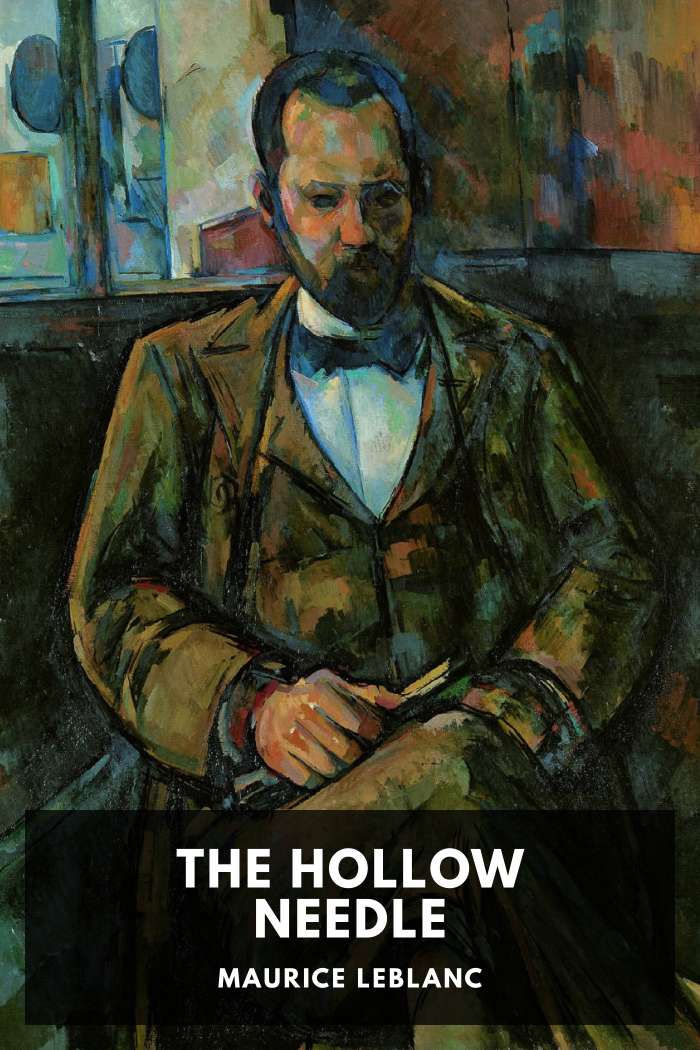
The Hollow Needle
Maurice Leblanc
intermediate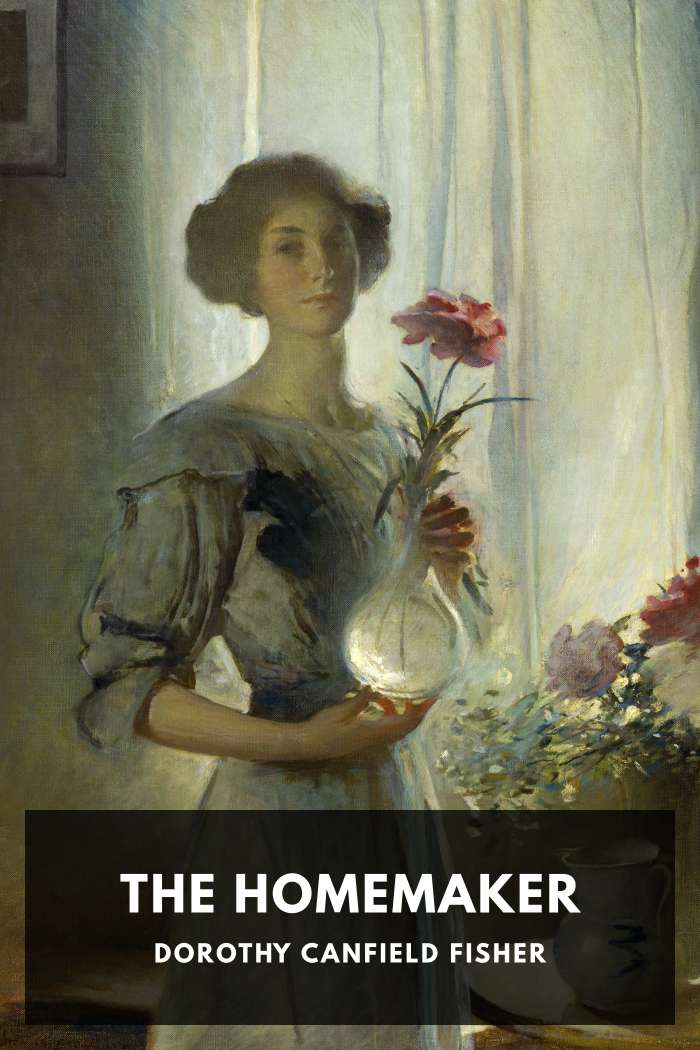
The Homemaker
Dorothy Canfield Fisher
intermediate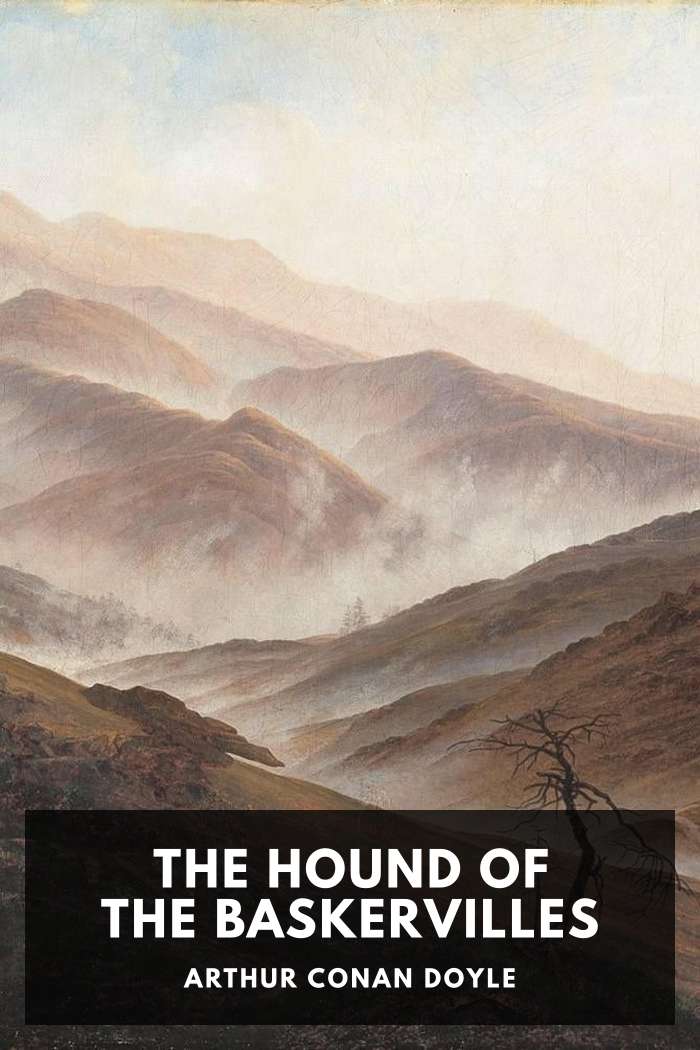
The Hound of the Baskervilles
Arthur Conan Doyle
intermediate
The House at Pooh Corner
A. A. Milne
beginner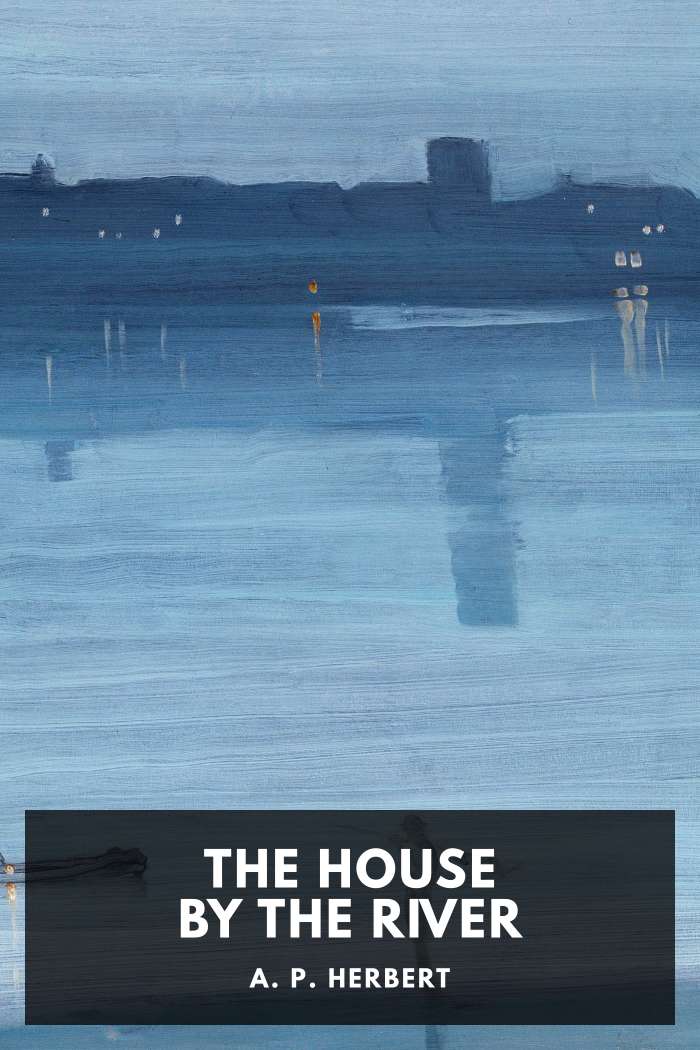
The House by the River
A. P. Herbert
intermediate
The House of Arden
E. Nesbit
beginner
The House of Mirth
Edith Wharton
advanced
The House of the Dead
Fyodor Dostoevsky
intermediate
The House of the Seven Gables
Nathaniel Hawthorne
advanced
The House of the Wolfings
William Morris
advanced
The House on the Borderland
William Hope Hodgson
intermediate
The House on the Cliff
Franklin W. Dixon
beginner
The House Without a Key
Earl Derr Biggers
intermediate
The House Without Windows
Barbara Newhall Follett
beginner
The Humbugs of the World
P. T. Barnum
intermediateReading is the highest-density way to absorb a language. A single chapter of a good novel exposes you to more vocabulary, more grammar, and more idiomatic usage than an entire week of conversation classes. The reason most learners give up is mechanical: every unknown word means putting the book down, opening a dictionary, losing the thread.
Clue lets you keep the thread. Load any book — your own EPUB, a PDF, a plain-text file — and tap any word for an instant translation in your native language. The reading experience stays smooth, the dictionary is on your phone, and the words you save become a personal vocabulary list synced into the practice mode.
Why reading beats almost every other input
Spoken English uses about 5,000 words for 95% of conversations. Written English uses double that — and the extra 5,000 are the words that mark the difference between sounding competent and sounding educated. There is no shortcut. The only way to get those words into your head is to read a lot.
Reading also gives you the syntax of the language at native pace. You see how sentences fit together, how clauses nest, how a paragraph shapes an argument. None of this is teachable from a grammar table. It only soaks in through volume.
Bring your own books
Most learner apps give you a small library of leveled readers. Clue does not. Drop in any EPUB, PDF, or plain-text file from your iCloud Drive, and start reading. The reader strips ads, fixes typography, and lays out the page like a proper e-reader — comfortable margins, adjustable font size, day and night themes.
Project Gutenberg is a great starting point: 70,000 free public-domain English books, all loadable into Clue in seconds. Hemingway, Austen, Wilde, Dickens — the entire canon, free, with tap-to-translate on every word.
How tap-to-translate works while reading
Tap a word, get the translation. Tap a phrase by holding and dragging across it, get the phrase translation. The card never covers more than the bottom third of the screen, so you don't lose your place. Save the word with one tap if you want to review it later.
The 27,000-word dictionary is bundled inside the app. There is no network call per lookup, no API quota, no spinner. You can read in airplane mode for an entire flight and never hit a wall.
What to read at each level
Lower-intermediate: graded readers, simplified classics, short YA novels. Intermediate: contemporary fiction with clean prose — Fredrik Backman, Jojo Moyes, Kazuo Ishiguro. Advanced: literary fiction, essays, nonfiction. The Atlantic, the New Yorker, and the Guardian publish long-form essays that are excellent reading practice and free to copy into a plain-text file.
Pick a book you actually want to finish. The wrong book at the right level will fail you faster than the right book at slightly the wrong level. Motivation beats difficulty matching.
From reading to retention
Words you save while reading sync into Clue's flashcard practice. Quizzes pull the original sentence as context, so you remember where you met the word. After a few weeks the loop becomes: read a chapter, tap five or six words, run a quick review the next morning. Vocabulary you encountered in a real book sticks because you remember the story.
Read what you actually want to read
Open a book you would have given up on six months ago because the vocabulary felt too dense. Read the first page inside Clue, tap the words you don't know, and notice how the wall comes down. That is what learning English with books is supposed to feel like.
FAQ
Which file formats does Clue support?
EPUB, PDF, and plain text (.txt). Drop them in from iCloud Drive, Files, or any other source.
Can I read books I bought on the Kindle Store?
Not directly — Amazon DRM prevents this. But you can read DRM-free EPUBs from Project Gutenberg, Standard Ebooks, Tor, and many independent publishers.
Does it work offline?
Yes. Once a book is in your library, reading and dictionary lookups all work offline. You only need internet to download new books.
How big is the dictionary?
27,000 English headwords with translations into each supported native language. That covers the vast majority of words you'll meet in modern fiction and journalism.
Is there a Kindle integration?
No. Clue's reader is self-contained. The trade-off is that everything works offline and we control the typography and tap experience end-to-end.


