
If I Was vs If I Were | Common English Mistake | Subjunctive Mood | English Grammar Lesson - Ananya
 Learn English | Lets Talk - Free English Lessons
  Abrir en Clue
Sobre este vídeo
If I Was vs If I Were - Finally Understand This Common English Grammar Mistake! Confused about "If I was" vs "If I were"? Making mistakes with these subjunctive mood phrases? This comprehensive English grammar lesson explains the EXACT difference between IF I WAS and IF I WERE with crystal-clear explanations, subjunctive mood rules, hundreds of examples, and practical exercises! Stop making this common mistake and master the subjunctive mood forever! 👉All Online English Courses https://www.letstalk.academy/s/store 👉Pronunciation & Accent Course https://www.letstalk.academy/s/store/courses/Accent My English Lesson You Might Have Missed! 👉When To Use HAVE & HAVING? https://youtu.be/Pd18sFxtoUo 👉Master All Uses of BEING https://youtu.be/-F8C6xM0Tyc 👉Master All Uses of BEEN | All Tenses https://youtu.be/PuGxa44pBHs 👉 I have been Vs I had been https://youtu.be/Pd25OEk7O0M What You'll Learn in This Essential Grammar Lesson: ✅ Complete explanation of "If I was" (simple past conditional) ✅ Complete explanation of "If I were" (subjunctive mood) ✅ The exact difference between both phrases ✅ Understanding the subjunctive mood in English ✅ When to use "was" vs "were" after IF ✅ Real vs hypothetical/imaginary situations ✅ Grammar rules for first conditional vs second conditional ✅ Why "If I were you" is always correct ✅ Common mistakes even native speakers make ✅ Formal vs informal usage ✅ IELTS & TOEFL grammar applications ✅ Real conversation examples ✅ Practice exercises with detailed answers Quick Grammar Rules: 📍 HAVE = Main verb, auxiliary verb, or modal (have to) 📍 HAVING = Gerund (noun form) or present participle (continuous) 📍 Use HAVE for possession, perfect tenses, obligations 📍 Use HAVING for continuous actions, gerund subjects/objects 📍 "I have a car" (possession) vs "Having a car is expensive" (gerund) 📍 "I have eaten" (perfect tense) vs "I am having dinner" (continuous action) Quick Rules: 📍 IF I WAS = Talking about possible real past situations (uncertainty about past) 📍 IF I WERE = Talking about hypothetical/imaginary/unreal situations (subjunctive mood) 📍 Use "IF I WERE" for: wishes, advice, imaginary situations, contrary to fact 📍 Use "IF I WAS" for: uncertainty about actual past events 📍 "If I were you" is ALWAYS correct (not "If I was you") 📍 "If I were rich" (I'm not rich - imaginary) vs "If I was late yesterday" (uncertain about past fact) Perfect Examples: IF I WAS (Real past uncertainty): ✨ "If I was rude to you yesterday, I apologize." (Uncertain if it actually happened) ✨ "If I was at the party last night, I don't remember." (Not sure if I was there) ✨ "If I was wrong about that, please correct me." (Maybe I was wrong, maybe not) IF I WERE (Hypothetical/Imaginary - Subjunctive): ✨ "If I were you, I would apologize." (I'm not you - imaginary/advice) ✨ "If I were rich, I would travel the world." (I'm not rich - contrary to fact) ✨ "If I were taller, I could reach the shelf." (I'm not taller - imaginary) ✨ "I wish I were younger." (I'm not younger - wish/desire) ✨ "If I were a bird, I would fly." (I'm not a bird - completely imaginary) The Key Difference: 🔹 IF I WAS = Real past situation (you're not sure if it happened) 🔹 IF I WERE = Unreal/hypothetical/imaginary situation (you know it's not true) 🔹 WAS = Indicative mood (real/possible situations) 🔹 WERE = Subjunctive mood (unreal/imaginary/contrary to fact) 🔹 "If I was there" (maybe I was, maybe I wasn't - uncertain) 🔹 "If I were there" (I wasn't there, but imagine if I had been) This Lesson is Perfect For: 🎯 English learners confused about BEEN usage 🎯 IELTS & TOEFL Writing and Speaking preparation 🎯 Students wanting to master perfect tenses 🎯 Anyone struggling with auxiliary verbs 🎯 Intermediate to Advanced English learners 🎯 Business professionals improving grammar 🎯 ESL/EFL students mastering verb forms 🎯 Anyone preparing for English proficiency exams 00:10 Difference between If I were and If I was 00:30 Basic Grammar Rule for I were and I Was 01:00 How To Use 'If I Were' 03:00 How To Use 'If I was' 05:00 Quick Recap 06:00 English Grammar Quiz #ifiwas #ifiwere #ifiwasvifiwere #subjunctivemood #commonmistakes #englishgrammar #englishmistakes #grammarmistakes #learnenglish #englishlearning #conditionalsentences #secondconditional #grammarlesson #learnenglishonline #speakenglish #correctenglish #englishteacher #englishwithananya #ielts #toefl #esl #englishlanguage #advancedgrammar #formalenglish #grammarexplained #improveyourenglish #fluentenglish #studyenglish #englishcourse #grammartips #mistakesinenglish #perfectenglish #hypothetical #wishes #contrarytotruth #unrealconditions #spokenenglish #businessenglish #academicenglish #intermediateenglish #nativeenglish #englishfluency #accurateenglish #naturalenglish #grammarconfusion #commonerrors #englishtips #grammarpractice #masterenglish #languagelearning#englishgrammarlesson#englishcourse =============================
Mira este vídeo en inglés para aprender inglés
Ver vídeos reales de YouTube en inglés con subtítulos es una de las formas más densas de absorber el idioma. If I Was vs If I Were | Common English Mistake | Subjunctive Mood | English Grammar Lesson - Ananya de Learn English | Lets Talk - Free English Lessons te da ritmo nativo, entonación natural y vocabulario que realmente vas a encontrar en conversaciones reales.
En la app Clue, cada subtítulo se traduce con un toque. Sin cambiar de app, sin pausar el vídeo, sin diccionario. Solo mira.
Vídeos para aprender inglés
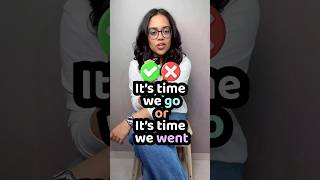
It's time we go VS It's time we went | Common Spoken English Mistakes | English With Ananya

10 Phrasal Verbs with MAKE You Must Know For English Fluency | Intermediate & Advanced English

14 Everyday Words That Boggle Your Mind | Common Mistakes In English Even Advanced Speakers Make!

Smart Telephone English Phrases You Must Know! Speak English Confidently | Advanced Expressions
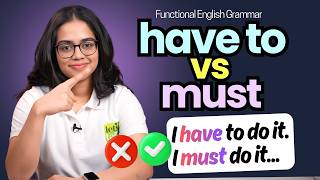
Have To VS Must | English Grammar Lesson | Learn English With Ananya | English Doubt Solving

Stop Speaking Boring English! Advanced Phrases To Make You Sound Fluent | Upgrade Your English

Fashion Vocabulary & Expressions You Need To Know! Speak In English Like A Pro! #esl #letstalk
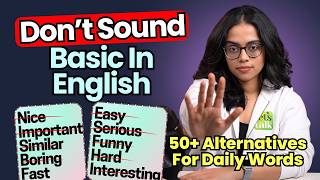
Still Using Overused English Words | Replace Them With 50+ Advanced Alternatives
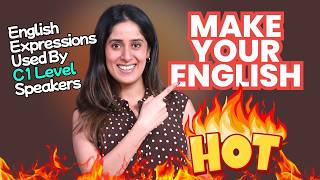
10 'HOT' Expressions Only Advanced English Speakers Know! C1 Level English Phrases For Daily Use!

All Uses Of BEEN and BEING | Functional English Grammar Lesson | English With Ananya

10 Spoken English Mistakes You Are Making Repeatedly Everyday | Redundant English Phrases
Advanced English Verbs You Must Include In Your Vocabulary | C1 Level English | Speak Fluent English


