
Tomasz Kowalski
Editor, English content · Published May 22, 2026
The Best YouTube Channels to Learn English in 2026
YouTube is the largest free English-language video library ever assembled. It dwarfs every streaming service, every TV channel, and every podcast network combined. Whatever topic you’re interested in — astrophysics, woodworking, medieval history, eyeliner techniques, the Roman Empire, F1 racing strategy — there’s a serious creator making clear, well-produced English-language videos about it.
The hard part isn’t finding content. It’s picking channels that actually match your level and your interests, so the daily habit sticks. This article is a curated list, grouped by level and topic, with notes on what each channel actually delivers.
Every channel below works with auto-generated YouTube captions, which Clue can read and turn into tappable subtitles. The combination of video plus tappable captions is what turns YouTube from background entertainment into a real learning tool.
Beginner level (A2–B1): slow, structured, learner-friendly
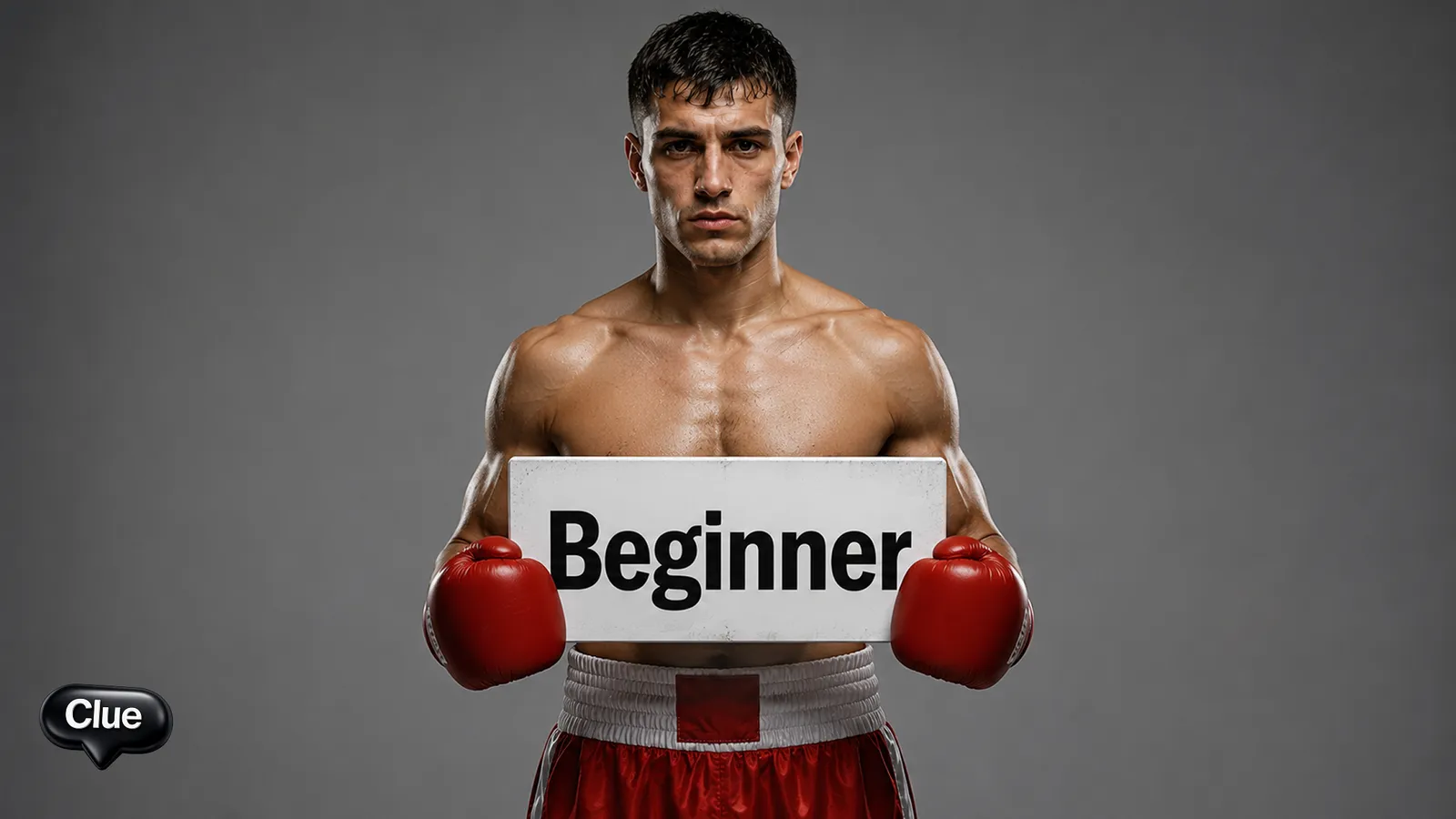
These channels are made specifically for English learners. The pace is controlled and the production assumes you might miss words.
BBC Learning English
The most professional ESL channel on YouTube, run by the BBC’s learning department. News at controlled pace, vocabulary lessons, grammar explainers, pronunciation tutorials. Multiple presenters across many series — News Review, English in a Minute, 6 Minute English Video, Pronunciation. Free, professionally produced, updated regularly.
If you’re between A2 and B1, this is the most reliable channel on YouTube. Subscribe and let the algorithm feed you new episodes weekly.
EnglishAddict with Mr Duncan
A friendly British teacher, Duncan, who has been making YouTube lessons since 2006. Slow delivery, warm presence, good for low-intermediate learners who like a familiar host. The catalog is enormous.
Speak English With Vanessa
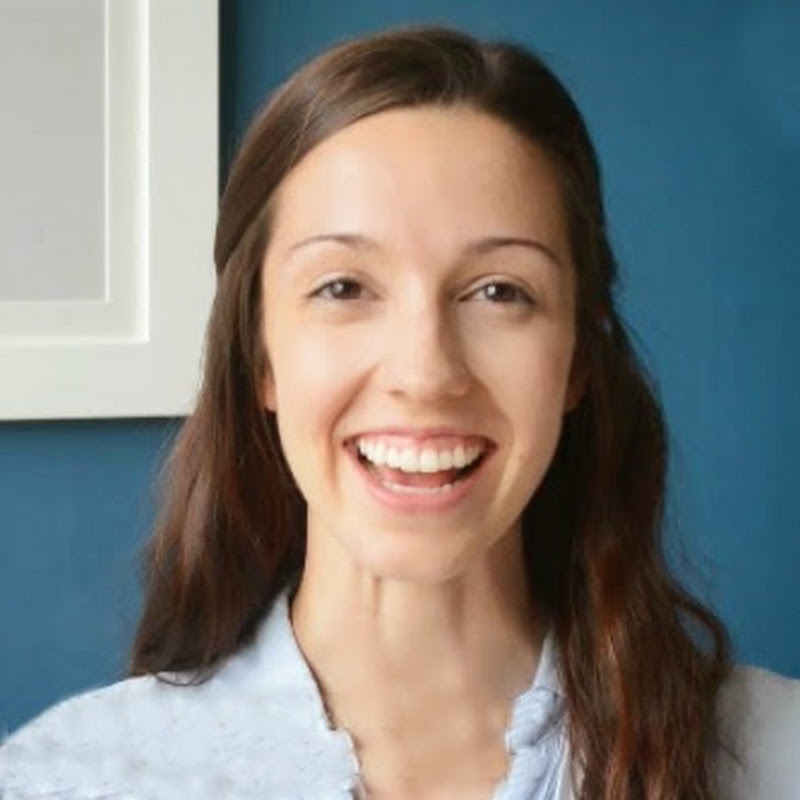
American teacher with a focus on conversational English. Accessible, not condescending, and Vanessa explains specifically how Americans use phrases in real life. Useful for learners who want practical American English rather than the textbook version.
English with Lucy
British teacher Lucy Bella covers pronunciation, vocabulary, idioms, and British culture. The production is polished, the explanations are clear, and Lucy speaks at a comfortable pace for intermediate learners.
Learn English with Bob the Canadian
A Canadian teacher who makes natural, conversational lessons recorded on walks, in cars, in his garden. Strong sense of place — you absorb Canadian English plus everyday vocabulary. Bob’s pacing is unhurried and he often pauses to explain a phrase.
Linguamarina
Russian-born YouTuber Marina Mogilko makes English lessons aimed at intermediate learners moving to the US. Useful because she’s been through the journey herself and addresses the cultural and practical sides of learning English, not just the linguistic ones.
Intermediate level (B1–B2): explainer channels with clear narration
These channels aren’t made for learners, but their production values make them work for intermediate English speakers. Clear scripts, careful narration, accessible vocabulary.
Vox
Short explainers (5–15 minutes) on news, culture, science, and politics. Tight scripts, clean delivery, journalistic vocabulary. American English. The channel is enormous — 12 million subscribers as of 2026 — and the algorithm will keep recommending similar videos once you’ve watched a few.
Vox is probably the single best YouTube channel for intermediate English learners interested in news and ideas. The production is excellent and the topics are genuinely interesting.
Kurzgesagt – In a Nutshell

Animated science explainers from a German-Bavarian studio, narrated in a measured English voice. The animation gives you visual context that helps with comprehension; the narrator’s pace is unhurried; the topics are inherently interesting — black holes, the immune system, the heat death of the universe.
The vocabulary is more sophisticated than the cartoonish art style suggests. Excellent for B1–B2 learners.
Veritasium
Australian science and engineering deep dives by Derek Muller. Conversational pace, fascinating experiments, accessible language. Derek’s Australian accent is a useful counterweight to all the American and British English elsewhere on this list.
TED-Ed
Five-to-seven-minute animated lessons on every topic imaginable, narrated by professional voice actors. Multiple narrators give you accent variety. Transcripts are available on the TED-Ed site. Excellent vocabulary diversity.
Wendover Productions
Documentary-style channel about transportation, logistics, geography, and how systems work. Sam Denton narrates. American English, clean scripts, often genuinely surprising content.
If you’ve ever wondered how international shipping works, or why airline tickets are priced the way they are, Wendover is for you.
Half as Interesting
Same creator as Wendover, with a more comedic and irreverent tone. Shorter videos, faster pacing. Useful once you can follow Wendover comfortably.
Johnny Harris
American journalist who specializes in visual geopolitical and travel storytelling. Strong scripts, very visual presentation. Slightly faster than Vox; the videos are usually 10–20 minutes.
Real Engineering
Brian McManus (Irish accent) walks through how engineering systems work — aircraft, power plants, bridges, military technology. Technical but accessible. The Irish accent is a useful addition to your accent diet.
MKBHD (Marques Brownlee)
Tech reviewer with extraordinarily clear delivery. American English, smooth pacing, tech vocabulary. If you have any interest in consumer technology, MKBHD is one of the easiest English speakers to follow on YouTube.
Mark Rober
Former NASA engineer making over-the-top science and engineering projects. Enthusiastic American English, lots of vocabulary in context (gravity, trajectory, propulsion, drag), often genuinely funny.
Tom Scott
British creator who has spent a decade making short videos about weird places and surprising facts. Tom speaks fast but clearly, and the videos are usually 5–10 minutes. The catalog is enormous and the variety keeps the algorithm interesting.
Advanced level (C1+): unscripted dialogue at native speed

These channels are at native conversational pace, often unscripted, often with cultural references and idiom density that lower-level learners would find overwhelming.
Last Week Tonight with John Oliver
Long-form (20–30 minute) satirical news segments by John Oliver, a British comedian based in the US. Fast British English, dense argument, lots of cultural references, frequent profanity. Each segment goes deep on one topic — the cost of insulin, gerrymandering, FIFA corruption.
Excellent for C1+ learners because the writing is genuinely literary and the vocabulary is wide. Captions help; the algorithm provides good auto-generated ones.
Lex Fridman (video version)
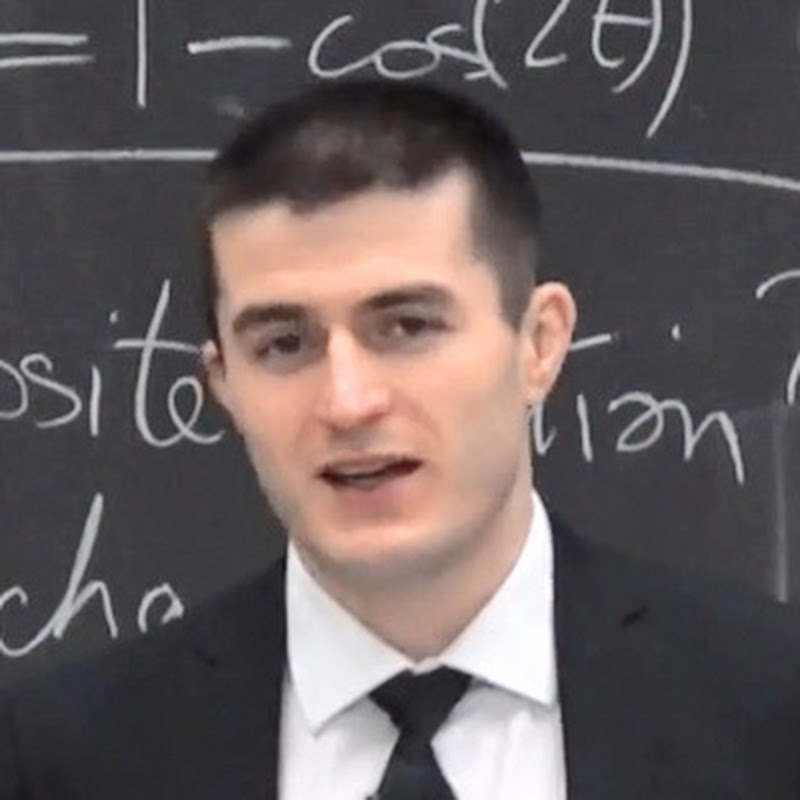
The video version of the podcast. Two-to-four-hour interviews with scientists, founders, philosophers, athletes. Useful at this level because the visual context (seeing the guest’s face, their hands) helps with comprehension when the topic is technical.
Joe Rogan (clips channel)
Long, rambling American interviews. Joe Rogan’s main podcast moved to Spotify, but the clips channel on YouTube has highlights. Real American conversational English with all its messiness — interruptions, false starts, slang, swearing. Useful for cultural fluency at advanced level.
Theo Von
American Southern comedian with a distinctive accent and improvisational style. Hard to understand at first; rewarding once you tune in. Useful for exposure to Southern American English, which is underrepresented in most learner content.
BBC Newsnight
British news analysis at full pace. Panel discussions, interviews, debates. Vocabulary is journalistic and political; accents are mostly RP British with some regional variety.
Channel 4 News
British news with a strong international focus. Reporters from around the world, often interviewing in English with non-native speakers, which gives accent variety in a single segment.
Hasan Minhaj
American comedian (formerly of Patriot Act). Fast-paced, idiom-dense, often political. Useful for C1+ learners who want sharp contemporary American English.
Trevor Noah
South African comedian (former host of The Daily Show). Multiple accents in any given video (Noah is a polyglot), excellent observational comedy, useful for cultural fluency.
By topic
If you want to learn English while also learning something else, these are strong vertical channels at intermediate-to-advanced level:
Technology: MKBHD, Linus Tech Tips, Marques Brownlee, Hardware Unboxed, Dave2D.
Science: Kurzgesagt, Veritasium, SciShow, Real Engineering, Mark Rober, Anton Petrov.
History: Extra History, Crash Course, OverSimplified, Tasting History with Max Miller.
Geopolitics and news: Vox, Johnny Harris, RealLifeLore, Caspian Report.
Cooking: Adam Ragusea, Bon Appétit’s Brad Leone, Joshua Weissman, Babish.
Travel and culture: Drew Binsky, Mark Wiens, Yes Theory.
Philosophy and ideas: Big Think, The School of Life, Wisecrack.
Comedy and entertainment: Conan O’Brien (clips), Hot Ones, Saturday Night Live.
Pick a vertical you’d watch in your native language. The dual benefit (learning English + learning a topic you care about) is what keeps the habit sustainable.
By accent
Most learners benefit from accent diversity. A rough mapping:
- Standard American: Vox, MKBHD, Mark Rober, Wendover Productions, Johnny Harris.
- Standard British (RP): BBC Learning English, BBC Newsnight, Tom Scott, John Oliver.
- Australian: Veritasium.
- Irish: Real Engineering.
- Canadian: Bob the Canadian.
- South African: Trevor Noah.
- Mixed / international: TED-Ed, Hot Ones (American host, international guests), BBC News.
If you’ve never made a conscious effort to vary your accent diet, mix British and American in roughly equal proportion and add at least one channel each from Australia, Ireland, and one other accent region.
How to use YouTube + Clue together
The workflow is straightforward but worth being explicit about:
- Find a video you’d watch anyway. Open it in Clue or paste the URL into Clue.
- Clue pulls the captions (manual or YouTube auto-generated) and makes them tappable.
- Watch the video. When an unknown word appears in the captions, tap it. The translation pops up in your native language.
- Save the high-value words for later flashcard review.
Rule of thumb: 15–20 minutes of YouTube per day with two or three saved words per video. After a month you have a personal vocabulary list of 60+ real words from content you actually wanted to watch.
How long should each video be?
For active learning with tap-to-translate, 5–15 minutes is the sweet spot. Longer videos work as background listening (which has value) but active attention is hard to sustain beyond 20 minutes.
A common pattern that works:
- One short explainer video (5–10 minutes) per day, active tapping, save vocabulary.
- One long-form video (20–60 minutes) on the weekend, more relaxed, less active capture.
Don’t force yourself to actively tap during a 90-minute Lex Fridman video. The attention required to do that for an hour and a half is more than the activity is worth.
Captions: manual vs auto-generated
YouTube’s auto-generated captions have improved enormously over the past few years. For clearly-spoken English from a major channel, they’re usually 95%+ accurate. For heavy accents, technical jargon, or noisy audio, they can be rough.
Clue handles either kind. When manual captions are available, Clue uses them by default. When only auto-generated captions are available, you can still tap and translate — just be aware that occasionally the caption might be wrong, and a quick mental cross-check with the audio prevents confusion.
What to do when your level outgrows a channel
You will outgrow channels. After three months of BBC Learning English, the pace will feel too slow. After six months of Vox, you’ll want more depth.
The natural progression:
- Start at the level above where you’re comfortable. Stay there until the channel feels easy.
- When easy, move up one level. Don’t skip a level — the jump from BBC Learning English to John Oliver is too much in one step.
- Keep one channel from your “old” level in rotation as comfort viewing. It builds confidence.
Most serious learners reach a point where 90% of their YouTube consumption is real content, not learner content. That’s the goal.
FAQ
Do all these channels have captions?
Yes — either manual or YouTube’s auto-generated captions, which work well for clearly-spoken English. Clue handles either kind. Manual captions are more accurate; auto-generated captions are nearly always good enough for major channels.
How long should each video be?
For active learning, 5–15 minutes is ideal. Longer videos work as background listening but the active tapping should be on shorter clips.
Should I slow down YouTube playback?
Sometimes. 0.75x speed makes fast British or rapid-fire American comfortable for intermediate learners. Use it sparingly so your ear adapts to native speed. Never permanent — slowing down should be a short-term aid, not a long-term crutch.
Can I add channels not in this list?
Yes. Subscribe to any channel inside Clue, or paste any video URL.
Better for English: YouTube or podcasts?
Both, for different things. YouTube gives you visual context — facial expressions, gestures, what the speaker is actually pointing at — which helps comprehension at intermediate level. Podcasts give you raw audio reps with no visual help, which is essential for listening comprehension. Use both.
Are video courses (Coursera, edX, MIT OpenCourseWare) good for English learning?
Yes, if you’re already at B2+. Academic English is a useful register to absorb, and the topics keep you engaged. MIT OpenCourseWare’s full lecture series are particularly good for hours of substantial English exposure.
What about TikTok and Instagram Reels for English?
The format is too short for serious learning. Useful for slang and idiom exposure if you naturally consume that content, but don’t make short-form video your primary learning tool — there’s no depth.
Pick a channel you’d subscribe to anyway
The right YouTube channel for learning English is the one you’d watch in your free time. Pick one from the list at your level, watch the next video inside Clue, and tap the words you don’t know. The habit takes a week to build and pays off for years.
The mistake most learners make is treating YouTube as a passive medium. Active engagement — pausing to look up a word, saving it, returning to it later — is what converts hours of watching into hours of learning. Clue exists to make that loop fast enough that you’ll actually do it.
Watch free on Clue







Frequently asked questions
Can you learn English from YouTube alone? +
YouTube is excellent for listening, vocabulary and exposure to real, natural English across accents — and it's free. On its own it's mostly passive, though. You'll progress faster if you watch actively (with subtitles, pausing to look up words) and pair it with speaking or writing practice so you actually use what you absorb.
Should I watch with English subtitles or no subtitles? +
Below an advanced level, keep English subtitles on: they help you map sounds to words and catch what you miss. As your listening improves, try watching once without subtitles, then again with them. Subtitles in your own language help comprehension, but English subtitles build the listening–reading link faster.
What kind of YouTube videos are best for beginners? +
Choose channels with slow, clear speech, simple vocabulary and visual support (on-screen text, images, gestures). Content designed for learners is ideal at first. Avoid fast vlogs and unscripted native conversation early on — comprehension matters more than authenticity until you reach an intermediate level.
Which English accent should I learn from on YouTube? +
Pick the accent that fits your goal — American and British are the most widely available, but Australian, Canadian and others are valuable too. For listening comprehension it actually helps to expose yourself to several accents over time. For your own speaking, choose one main accent and stay consistent with it.
Read in other languages
Related articles
- Using AI Tools to Learn English: What Actually Works in 2026 AI tools have changed English learning faster than any technology since smartphones. Some of the change is real and useful. Some of it is hype. This articl
- English for French Speakers Learn English with podcasts, YouTube and books — every word translated to French in one tap. Offline dictionary, built for French speakers past textbook level.
- English Slang: A Practical Guide from 90s Throwbacks to Gen Z Internet Speak You hear a coworker call something "mid" and a friend tweet "no cap" and a colleague describe a presentation as "based" and you start to wonder if your…
- English for Dutch Speakers Push past intermediate English with real podcasts, videos, and books. One-tap Dutch translations, offline dictionary, built for Dutch-speaking learners.