

Tomasz Kowalski
Editor, English content · Published July 3, 2026
The Best Books to Learn English in 2026, by Level
Reading is the highest-density way to absorb a language. A single chapter of a good novel exposes you to more vocabulary in context than a week of conversation. The same word will appear in different sentences with different connotations until you finally feel like you own it. The same grammatical structures will repeat until they stop feeling foreign.
The hard part is picking books that match your level and that you’ll actually finish. A B1 learner who picks up Ulysses will quit on page two. A C1 learner who picks up a graded reader will be bored. This article is a curated reading list grouped by level, with notes on why each book works for the learner at that stage.
Every recommendation below is available as a DRM-free EPUB, PDF, or plain text file that you can drop into Clue and read with one-tap translation. Public-domain books are free on Project Gutenberg. Modern books are usually available DRM-free from independent publishers or as legitimate paid downloads.
Quick picks by level
If you just want one place to start, this is the shortlist. Every full section below explains the why behind each pick.
| Level | Start with | Best for | Length |
|---|---|---|---|
| A1–A2 | Oxford Bookworms (graded readers) | Building confidence with controlled vocabulary | 40–80 pages |
| A2–B1 | Charlotte’s Web — E.B. White | First “real” book, gentle prose | ~190 pages |
| A2–B1 | The Alchemist — Paulo Coelho | Simple sentences, familiar story shape | ~170 pages |
| B1–B2 | Normal People — Sally Rooney | Modern dialogue, how people actually talk | ~270 pages |
| B1–B2 | The Kite Runner — Khaled Hosseini | Page-turner pull that survives a dictionary | ~370 pages |
| B2 | The Old Man and the Sea — Hemingway | Clean, spare prose at native level | ~130 pages |
| B2 | Sapiens — Yuval Noah Harari | Nonfiction; academic vocabulary in plain style | ~450 pages |
| C1–C2 | Never Let Me Go — Kazuo Ishiguro | Literary nuance without showing off | ~290 pages |
| C1–C2 | The Secret History — Donna Tartt | Rich vocabulary, long immersive read | ~560 pages |
How to choose a book at your level
Before the list, the rule that matters most: pick a book where you understand 95% of the words and need help with 5%. That’s the sweet spot for vocabulary acquisition through reading.
If you understand less than 90%, the book becomes a slog. You spend more time decoding than reading. Comprehension suffers. The story doesn’t pull you along.
If you understand more than 99%, the book is too easy. You’ll finish it, but vocabulary growth slows because there’s nothing new on the page.
The Clue workflow handles the 5% gap. You tap unknown words, the translation appears in under a second in your native language, the flow stays intact. Without that fast lookup, even the 95% level book becomes friction-heavy. With it, you can read 50–100 pages per session without burning out.
Absolute beginner (A1–A2): graded readers
Real literary fiction at the A1–A2 level does not exist. Anything written by an adult for adult native speakers is too hard. The solution is graded readers — classic novels rewritten with controlled vocabulary and grammar at specific CEFR levels.
Oxford Bookworms
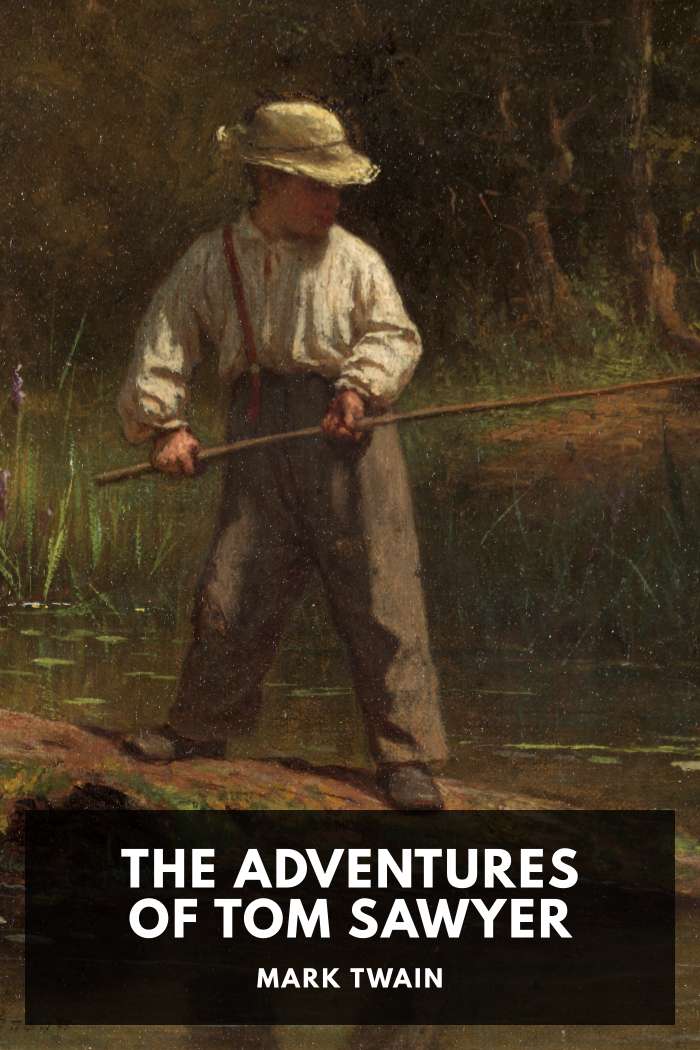
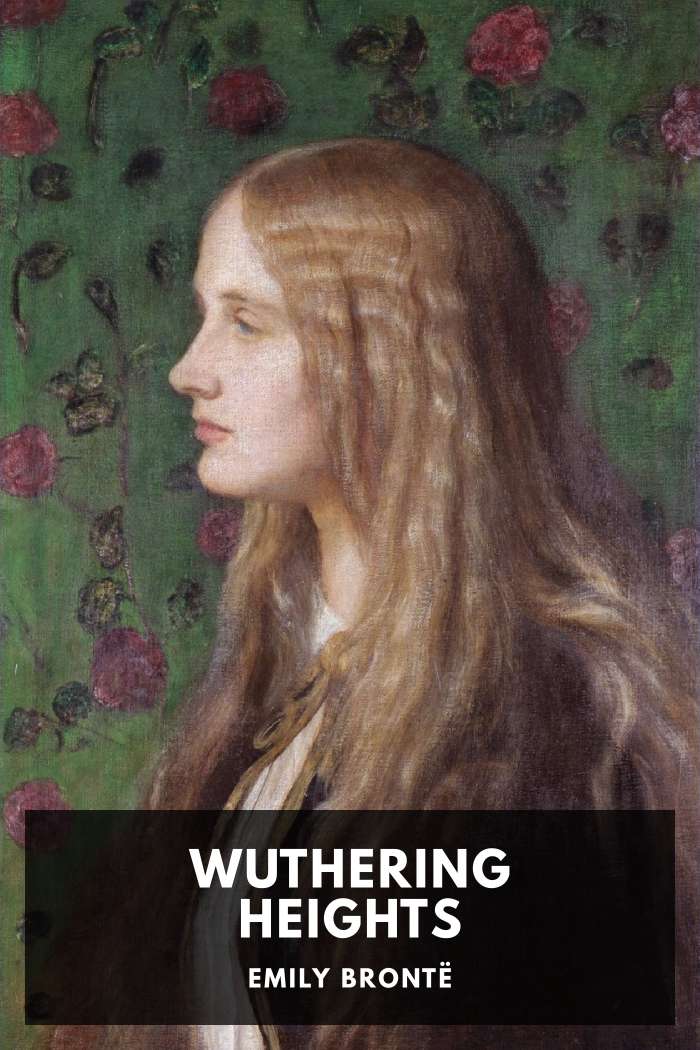
The standard. Six levels from “Starter” (250 headwords) up to Stage 6 (2,500 headwords). The catalog includes classics like Sherlock Holmes, Dracula, Wuthering Heights, Tom Sawyer, and original modern stories. Each book is 30–100 pages.
At A1 start with Stage 1 or Stage 2 books. At A2 try Stage 3 (1,000 headwords) — The Adventures of Tom Sawyer at this level is a good first complete novel for many beginners.
Penguin Readers
Similar concept, similar quality. Seven levels from Easystarts (200 headwords) up to Level 7 (3,000 headwords). Catalog includes Hollywood film tie-ins (the Forrest Gump novelization at Level 3 is a popular one), classics, and original stories.
Cambridge English Readers
Original short stories written specifically for English learners. The advantage over graded versions of classic novels: the language feels more natural because it’s not the result of translation-compression. The disadvantage: less prestige than a “real” book.
Macmillan Readers
Another excellent series with similar levels. The story selection is more international — translated classics from non-English literature, alongside English originals.
A note on graded readers: they are stepping stones, not destinations. Read them for one to three months to build confidence with full novels, then move to real (unsimplified) modern fiction as soon as your level allows.
Beginner-friendly real fiction (A2–B1)
These are books written by native speakers for native speakers, but the language is naturally simple enough to be approachable at A2–B1.
Charlotte’s Web by E.B. White
The American children’s classic. Beautiful, simple prose that adults still love. Vocabulary is concrete (the farm, the animals, the seasons) and the story moves quickly. About 200 pages. One of the best first “real” novels in English.
Roald Dahl’s adult short stories
Dahl is better known for his children’s books (Matilda, The BFG, Charlie and the Chocolate Factory), but his adult short stories — Tales of the Unexpected, Switch Bitch, Kiss Kiss — are dark, funny, and written in extraordinarily clean modern English. Each story is 10–20 pages, which makes them perfect for B1 reading sessions.
The Curious Incident of the Dog in the Night-Time by Mark Haddon
First-person narration from a 15-year-old British boy with autism. The narrator’s voice is direct, vivid, and naturally simpler than typical literary prose because of the character’s perspective. About 250 pages. Often used in B1–B2 reading lists for a reason.
A Man Called Ove by Fredrik Backman
Translated from Swedish, which means the English prose is naturally simpler than original English literary fiction. A grumpy Swedish widower forms unlikely friendships with his neighbors. Funny, moving, very readable. About 350 pages.
Backman’s other novels — Anxious People, Britt-Marie Was Here, Beartown — are similar in style and accessibility.
The Alchemist by Paulo Coelho
Originally Portuguese, translated into English. Philosophical fable about a young shepherd searching for his destiny. Very short (about 180 pages), simple prose, philosophically substantial. Polarizing among adult readers but linguistically accessible.
Holes by Louis Sachar
Children’s novel that won the Newbery Medal in 1999. Layered narrative, dry humor, simple prose. American English. About 230 pages.
Wonder by R.J. Palacio
Children’s novel about a boy with a facial difference starting middle school. Multiple narrators, each chapter short. Accessible American English. Surprisingly emotional for adult readers.
Intermediate (B1–B2)
At intermediate level, you can handle real contemporary fiction with active tap-to-translate. The recommendations below have clean prose styles that don’t add unnecessary difficulty.
Sally Rooney — Normal People, Conversations with Friends, Beautiful World Where Are You
Modern Irish prose. Rooney writes spare, direct sentences with extensive dialogue and minimal vocabulary inflation. Normal People is the most accessible — a love story between two young Irish people across their university years. About 270 pages.
Rooney is excellent for B2 learners because the language is contemporary and the dialogue is realistic — you absorb how educated young native speakers actually talk.
Fredrik Backman (any title)
A Man Called Ove is the gateway; Anxious People, Britt-Marie Was Here, and Beartown are similar. Translated from Swedish, accessible English, emotionally satisfying.
Khaled Hosseini — The Kite Runner, A Thousand Splendid Suns
Afghan-American novelist writing in clear contemporary English. Plots are propulsive (you’ll want to find out what happens next), vocabulary is rich but not gratuitous. About 400 pages each.
Matt Haig — The Midnight Library, How to Stop Time
Light philosophical fiction with clean prose. The Midnight Library (a librarian considers alternative lives) is the most accessible. About 290 pages.
Stephen King — short stories from Skeleton Crew or Different Seasons
King is more accessible than his reputation suggests. Different Seasons (which contains the novellas The Body, Rita Hayworth and Shawshank Redemption, and Apt Pupil) is excellent B2 reading — vivid, well-paced, with strong vernacular American English. Each novella is around 100 pages.
The Hunger Games by Suzanne Collins
YA dystopian fiction. First-person present-tense narration, simple sentences, propulsive plot. About 380 pages. Excellent B1–B2 entry to contemporary American fiction.
Where the Crawdads Sing by Delia Owens
Atmospheric American Southern setting, lyrical prose. Vocabulary is richer than the books above but the plot pulls you through. About 370 pages.
Educated by Tara Westover (memoir)
Memoir of growing up in a survivalist Mormon family in Idaho and eventually earning a Cambridge PhD. Vivid, accessible nonfiction prose. About 330 pages. Excellent for vocabulary diversity in a non-fiction register.
Upper-intermediate (B2)
At B2, the bestsellers and the lighter literary fiction open up.
Hemingway — short stories or The Old Man and the Sea
Hemingway’s famously stripped-down prose makes him surprisingly approachable at B2. The Old Man and the Sea is short (about 130 pages) and almost every sentence is grammatically simple. The vocabulary is concrete — fishing, the sea, weather. Excellent for absorbing a particular style of clean American prose.
Hemingway’s short stories — Hills Like White Elephants, A Clean, Well-Lighted Place, The Snows of Kilimanjaro — are each 10–20 pages and showcase the same style.
Stephen King — The Body
Novella that became the film Stand by Me. Four boys in 1950s Maine go looking for a dead body. About 100 pages. Vivid, propulsive, excellent vocabulary diversity in vernacular American English.
Kazuo Ishiguro — Klara and the Sun, Never Let Me Go
Ishiguro’s prose is restrained and elegant, never showing off. Klara and the Sun (the consciousness of a robot companion observing a family) is the most accessible. About 300 pages. Never Let Me Go (a slowly-revealed dystopia) is similarly approachable.
Kazuo Ishiguro — The Remains of the Day
Stretches into C1 territory but still readable at strong B2. A British butler reflects on his life of service. About 250 pages. The narrator’s voice is so distinctive that you absorb a particular register of upper-class British English along with the story.
George Saunders — short stories from Tenth of December
American short stories with extraordinary inventiveness in voice. Each story uses a different style — sometimes accessible, sometimes demanding. Victory Lap and The Semplica-Girl Diaries are notable. Useful for register flexibility.
The Road by Cormac McCarthy
Father and son walking through post-apocalyptic America. Stripped-down modernist prose, often without quotation marks for dialogue. Short (about 290 pages) and demanding but deeply rewarding. The vocabulary is paradoxically simple — McCarthy is famous for limiting himself.
Sapiens by Yuval Noah Harari (nonfiction)
Big-picture history of humanity. The English translation reads beautifully and the vocabulary is rich without being archaic. About 450 pages. One of the best vocabulary-builders in modern nonfiction.
Bill Bryson — Notes from a Small Island, A Short History of Nearly Everything
Bryson’s prose is clear, funny, and densely vocabularied without being inaccessible. He’s an American who lived in Britain for decades, so the perspective and the register flex between American and British naturally.
Advanced (C1–C2): literary fiction and serious nonfiction
At C1+, real literary fiction is within reach. The pleasure of reading great prose in English starts to outweigh the work.
Kazuo Ishiguro (any)
All of Ishiguro’s novels. The Remains of the Day, Never Let Me Go, Klara and the Sun, An Artist of the Floating World, When We Were Orphans. Restrained, beautiful prose. Each book has a distinctive voice; together they’re a master class in English narration.
Cormac McCarthy — Blood Meridian, Suttree, No Country for Old Men
McCarthy’s later novels (The Road, No Country for Old Men) are more accessible. Blood Meridian and Suttree are demanding — vocabulary is dense, sentences are long, biblical and archaic registers blend with modern. C1+ territory only.
Donna Tartt — The Goldfinch, The Secret History
Long, dense, literary. The Secret History (a murder among classics students at a Vermont college) is the more accessible. The Goldfinch (an orphan and a stolen Vermeer painting) is the longer and more demanding. Tartt’s vocabulary is genuinely larger than most native readers’ — expect to tap more words per chapter than in any other contemporary novelist.
Hilary Mantel — Wolf Hall, Bring Up the Bodies, The Mirror and the Light
The Cromwell trilogy — Tudor-era historical fiction told from the perspective of Henry VIII’s minister Thomas Cromwell. Dense, beautifully written, with period vocabulary that’s real but reachable at C1+. Each book is 500+ pages.
Marilynne Robinson — Gilead
Slow, deeply religious, beautifully written. An elderly American pastor writes a letter to his young son. About 250 pages. The register is unlike most contemporary fiction — closer to a 19th-century sermon than to modern prose.
Zadie Smith — White Teeth, NW, On Beauty
Multicultural London. Smith’s prose is inventive, fast, and full of slang and code-switching. The vocabulary spans formal literary register and contemporary London street vernacular within the same chapter. Demanding but rewarding.
Vladimir Nabokov — Pale Fire, Lolita
Nabokov was a non-native English writer who became one of the great English prose stylists of the 20th century. Pale Fire (a poem with a fictional commentary) and Lolita (no introduction needed) are demanding but show what English can do at its most virtuosic.
Cormac McCarthy or Marilynne Robinson over Nabokov?
If you want stripped-down: McCarthy or Hemingway. If you want pulpit-cadence: Robinson. If you want maximalist Russian-via-English ornament: Nabokov. All worthwhile; very different.
Serious nonfiction at C1+
- Tara Westover — Educated. Memoir.
- Ta-Nehisi Coates — Between the World and Me. Essay-length book on race.
- Susan Sontag — On Photography, Against Interpretation. Essays.
- Joan Didion — Slouching Towards Bethlehem, The White Album, The Year of Magical Thinking. Essays.
- James Baldwin — Notes of a Native Son, The Fire Next Time. Essays.
- Rebecca Solnit — A Field Guide to Getting Lost. Essays.
- Hilton Als — White Girls. Essays.
Essay collections are particularly useful at C1+ because the structure (10–20 page pieces) lets you read complete units in single sessions.
Where to find these books
Project Gutenberg (gutenberg.org). 70,000+ free public-domain English books. Everything pre-1928 in the US public domain — Austen, Dickens, Wilde, Conrad, Hemingway’s early work, the entire 19th-century canon. Drop the EPUB into Clue and read.
Standard Ebooks (standardebooks.org). Beautifully typeset versions of Project Gutenberg classics. Free. The typography matters more than you’d expect for long reading sessions.
Local libraries with OverDrive or Libby. Most public libraries in English-speaking countries (and many international libraries) offer DRM-free or DRM-protected ebook lending. Worth checking.
Independent publishers selling DRM-free EPUBs. Tor.com publishes selected DRM-free titles; smaller literary publishers often do as well. Look for “DRM-free EPUB” when buying.
Kindle books unfortunately do not work directly in Clue because Amazon’s DRM prevents the files from being loaded into third-party apps. The workaround is to use DRM-free books from other sources, or to read Kindle books in the Kindle app separately while looking up words manually.
How to read with Clue
The workflow is the same across formats:
- Drop an EPUB, PDF, or plain-text file into Clue from iCloud Drive, Files, or a download link.
- Open the book in Clue’s reader.
- Tap any word for an instant translation in your native language.
- Long-press to see additional senses or save the word for later review.
- Continue reading. The flow is the priority.
The dictionary is 27,000 English headwords, bundled inside the app. Lookups are local and instant. Practice mode on saved words quizzes you with the original sentence as context.
How long to read per day
20–30 minutes is plenty for active reading with tap-to-translate. Aim for a chapter at a time so you finish what you start — interrupted reading rarely resumes.
A common pattern that works:
- One chapter per day on weekdays (20–30 minutes).
- A longer session (60–90 minutes) on weekends.
That pace finishes a 350-page novel in about three weeks. Over a year, 15–20 books. Vocabulary growth at that volume is significant.
How many words to save per chapter
At intermediate level, 5–15 saved words per chapter is sustainable. At advanced level, often only 2–3 high-value words. Don’t over-save — the practice queue stays effective when it’s focused.
The rule of thumb: only save words you think you’ll meet again. Hyper-specialist vocabulary (the name of a specific 17th-century weapon, an obscure botanical term) is usually not worth saving. Common-ish vocabulary that you didn’t quite own (a literary verb, an idiom, a register marker) is what you want.
Audiobooks alongside reading
For B2+, audiobook + ebook simultaneously is one of the most effective single learning techniques. You hear native intonation, you see the spelling, your eyes and ears reinforce each other. Many learners read 50–100 books this way without realizing how much it accelerates them.
Most audiobooks are available through Audible (DRM-protected, doesn’t integrate with Clue) or Librivox (free, public domain, integrates with anything). For public-domain classics, Librivox is excellent.
FAQ
How do I read a book in Clue?
Drop an EPUB, PDF, or plain-text file into Clue from iCloud Drive or Files. Read inside the app, tap any word for an instant translation in your native language.
Can I read Kindle books in Clue?
Amazon DRM blocks direct loading. The workarounds: use DRM-free EPUBs from publishers that offer them, or use public-domain books from Project Gutenberg, or read in the Kindle app separately without the tap-to-translate workflow.
How long should I read per day?
20–30 minutes is plenty. Aim for a chapter at a time so you finish what you start. Longer sessions on weekends if you want.
How many words should I save per chapter?
At intermediate level, 5–15. At advanced level, often only 2–3. Don’t over-save — the practice queue stays effective when it’s focused.
Should I read on my phone or a tablet?
Tablet is more comfortable for long reads. Phone is fine for shorter sessions and works on the commute. Clue runs on both.
What about audiobooks?
Audiobook + ebook simultaneously is extremely effective at B2+. Use Librivox for free public-domain audiobooks; for commercial titles, audiobook and ebook can be played and read in parallel, with Clue handling the lookup on the ebook side.
Is reading translated fiction “cheating”?
No. Many of the best B2 recommendations (Backman, Hosseini, Coelho) are translations. The English is real English; it’s just naturally simpler than original English literary fiction, which is exactly what intermediate learners need.
Pick a book you’d have read in your native language
The best book for learning English is the one you’d have read anyway. Pick something from the list at your level, drop the EPUB into Clue, and read the first chapter tonight. Tap the words you don’t know. Save the high-value ones. Tomorrow, read the next chapter.
Over a year, that habit produces a learner who has finished 15 to 20 books in English. The vocabulary, the rhythm, the cultural reference points — all of it accumulates in a way that no curriculum can match. Reading is slow, quiet, and unspectacular, and it remains the highest-leverage habit in language learning at every level past A2.
Read these free on Clue
Frequently asked questions
What level of English do I need to start reading books? +
You can start at A1–A2 with graded readers — books written with a controlled vocabulary for each level. For unadapted ('native') books, B1–B2 is more comfortable. The rule of thumb: pick a book where you understand about 95% of the words, so the remaining 5% can be guessed or quickly looked up without breaking your reading flow.
Are graded readers or real books better for learning English? +
Both, in sequence. Graded readers build confidence and reading speed at lower levels because the language is controlled. Once you can read them comfortably, switch to real (unadapted) books — they expose you to natural phrasing, idioms and vocabulary you won't meet in simplified text. Many learners read graded readers through A2–B1, then move to native fiction at B2.
Should I look up every word I don't know while reading? +
No — that kills your reading flow and your motivation. Look up words that block your understanding of the sentence or that keep recurring; let the rest be inferred from context. Tools that give an instant tap-to-translate (like Clue) let you check a word in a second and keep reading, which is the sweet spot between looking up nothing and looking up everything.
How do I remember vocabulary from the books I read? +
Re-encounter words in context rather than memorising isolated lists. Reading widely means you meet high-frequency words again and again until they stick. Looking words up in context, and occasionally reviewing the ones you saved, cements them far better than drilling random vocabulary out of context.
Read in other languages
Related articles
- English Accents: A Practical Guide for Learners Who Are Tired of Only Understanding the BBC You studied English for years, you can read a New Yorker article without sweating, and then a Glaswegian taxi driver says nine words to you and your brain…
- English Idioms by Theme: 80 You'll Actually Hear, Grouped So They Stick You can ace a grammar test and still get lost the moment a coworker says the project is "on the back burner" or your friend says they "spilled the beans."…
- Clue vs LingQ: An Honest Comparison for Learning English in 2026 Clue and LingQ both teach English from real content. Detailed comparison: pricing, libraries, methodology, mobile experience, what each gets wrong.
- Learn English from Scratch: A0 to B1 on Your Own Starting English from zero as an adult is a different challenge than continuing from an intermediate level. You have no vocabulary to fall back on, no gram


