

 Відкрити в Clue
Відео для вивчення англійської109
A philosopher’s argument against the cult of achievement | Zena Hitz: Full Interview
10 лип. 2026 р.
Become a Big Think member to unlock expert classes, premium print issues, exclusive events and more: https://bigthink.com/membership/?utm_source=youtube&utm_medium=social&utm_campaign=yt_desc Subscribe to Big Think on YouTube ► https://www.youtube.com/channel/UCvQECJukTDE2i6aCoMnS-Vg?sub_confirmation=1 Up next, Love, sex, and happiness, explained by philosophy | Jonny Thomson: Full Interview ► https://www.youtube.com/watch?v=esneN8HQKeY A philosopher who walked away from an elite academic career to spend 3 years washing dishes in a monastery says that intellectual life has nothing to do with degrees. Zena Hitz argues that the real philosophers are taxi drivers, office clerks, prisoners: Everyday people who exist outside the cult of academia. 0:00 The journey of a disillusioned academic 8:52 What is an intellectual life 14:54 Aristotle and human flourishing 27:30 The philosophy of washing dishes 29:19 Unlikely intellectuals, from Einstein to MC Hammer Read the video transcript ► https://bigthink.com/series/full-interview/myth-of-genius/?utm_source=youtube&utm_medium=video&utm_campaign=youtube_description © Freethink Media Inc., All Rights Reserved. ---------------------------------------------------------------------------------- Go Deeper with Big Think: ►Become a Big Think Youtube Member Get exclusive classes and early, ad-free access to new releases without leaving Youtube. https://www.youtube.com/@bigthink/membership/ ►Become a Big Think Web Member Get the entire Big Think Class library, premium print issues, live events, and more. https://bigthink.com/membership/ ►Subscribe to Big Think on Substack Get all of your favorite Big Think content delivered to your inbox. https://bigthinkmedia.substack.com/subscribe/ ►Listen to Big Think Interviews on Spotify Insights from the world's biggest thinkers, now as a podcast https://open.spotify.com/show/7KRYoRD1NdF2aoQcBMyPlb ---------------------------------------------------------------------------------- About Zena Hitz: Zena Hitz is a Tutor at St. John's College in Annapolis, Maryland and the author of "Lost In Thought: The Hidden Pleasures of an Intellectual Life." She has a PhD in ancient philosophy from Princeton University and studies and teaches across the liberal arts.

Dan Carlin: What happens when a nation’s truth splinters into 1,000 versions | Kmele Foster
9 лип. 2026 р.
Read Dan Carlin, in print. An excerpt from this interview is in 'The Opt-Out Nation' — our quarterly magazine just for Big Think members: https://bigthink.com/membership/ Subscribe to Big Think on YouTube ► https://www.youtube.com/channel/UCvQECJukTDE2i6aCoMnS-Vg?sub_confirmation=1 Up next, Hollywood lied to you about Ancient Rome. Here’s the truth | Mary Beard: Full Interview ► https://www.youtube.com/watch?v=v_yP8C7uo3Y Dan Carlin has spent decades explaining history's collapses. Now he's watching one happen in real time. In conversation with Kmele Foster, Carlin unpacks the state of societal collapse, the erosion of our nation's shared truth, and the sharp comparison between the 80’s’ Xeroxed flyers on windshields and the present day flooding of information. He explains why the Constitution was designed to prevent tyranny, not efficiency, how that tradeoff is finally being tested, and why Congress's refusal to declare war for decades has altered the rules of executive power. 0:00 10,000 realities, zero shared facts 2:35 Today’s chaos was seeded 50 years ago 6:17 How the internet killed the gatekeepers 8:45 Bury the truth in a pile of garbage 12:05 Can society build an immune system for lies? 17:48 Congress chose to go powerless 31:15 Trump dropped the pretending 39:15 Every movement creates its own backlash 1:11:42 Stop calling AI a product when it’s a weapon Read the video transcript ► https://bigthink.com/series/full-interview/dan-carlin-myth-of-shared-reality/?utm_source=youtube&utm_medium=video&utm_campaign=youtube_description © Freethink Media Inc., All Rights Reserved. ---------------------------------------------------------------------------------- Go Deeper with Big Think: ►Become a Big Think Youtube Member Get exclusive classes and early, ad-free access to new releases without leaving Youtube. https://www.youtube.com/@bigthink/membership/ ►Become a Big Think Web Member Get the entire Big Think Class library, premium print issues, live events, and more. https://bigthink.com/membership/ ►Subscribe to Big Think on Substack Get all of your favorite Big Think content delivered to your inbox. https://bigthinkmedia.substack.com/subscribe/ ►Listen to Big Think Interviews on Spotify Insights from the world's biggest thinkers, now as a podcast https://open.spotify.com/show/7KRYoRD1NdF2aoQcBMyPlb ---------------------------------------------------------------------------------- About Kmele Foster: Kmele Foster is a media entrepreneur, commentator, and regular contributor to various national publications. He is the co-founder and co-host of The Fifth Column, a popular media criticism podcast, and a partner at Freethink, a digital media company focused on the people and ideas changing our world. Kmele also serves on the Board of Directors of the Foundation for Individual Rights and Expression (FIRE). About Dan Carlin: Veteran journalist Dan Carlin's Generation X, non-partisan, “neo-prudentist” outlook provides a fresh look at the headlines in the newspapers and the stories in the history books. His two podcasts, “Hardcore History” and “Common Sense” are two of the leading independent podcasts in their respective genres. Both productions feature Carlin’s unique, contradictory broadcast style.

The 250-million year rise and fall of the dinosaurs | Steve Brusatte
3 лип. 2026 р.
Become a Big Think member to unlock expert classes, premium print issues, exclusive events and more: https://bigthink.com/membership/?utm_source=youtube&utm_medium=social&utm_campaign=yt_desc Subscribe to Big Think on YouTube ► https://www.youtube.com/channel/UCvQECJukTDE2i6aCoMnS-Vg?sub_confirmation=1 Up next, Hollywood lied to you about Ancient Rome. Here’s the truth | Mary Beard: Full Interview ► https://www.youtube.com/watch?v=v_yP8C7uo3Y Steve Brusatte, the paleontologist behind Jurassic World's science and author of The Rise and Fall of the Dinosaurs and The Story of Birds, walks through what fossils actually prove versus what Hollywood invented. Brusatte traces dinosaurs back to footprints smaller than a house cat, found in Poland just after the worst mass extinction in Earth's history, and explains why those early survivors spent millions of years as background characters next to car-sized salamanders and armored crocodiles. 0:00 Chapter 1: The rise and fall of dinosaurs 3:17 The first true dinosaurs emerge 8:01 Spectacular giants 15:06 The last morning 19:16 Chapter 2: T. Rex: The king of dinosaurs 22:30 Everything Jurassic Park got wrong 25:12 The mystery of the tiny arms 31:13 A new dinosaur species found every week 32:02 Chapter 3: The rise and reign of mammals 40:19 How flowers changed everything 44:34 Mammals go dumb, then huge 1:05:44 Should we bring them back? 1:09:21 Chapter 4: How birds became the last dinosaurs 1:23:54 Flight was an accident 1:37:31 What did dinosaurs sound like? 1:40:30 The pigeon is a dinosaur Read the video transcript ► https://bigthink.com/series/full-interview/brusatte-history-of-dinosaurs/?utm_source=youtube&utm_medium=video&utm_campaign=youtube_description © Freethink Media Inc., All Rights Reserved. ---------------------------------------------------------------------------------- Go Deeper with Big Think: ►Become a Big Think Youtube Member Get exclusive classes and early, ad-free access to new releases without leaving Youtube. https://www.youtube.com/@bigthink/membership/ ►Become a Big Think Web Member Get the entire Big Think Class library, premium print issues, live events, and more. https://bigthink.com/membership/ ►Subscribe to Big Think on Substack Get all of your favorite Big Think content delivered to your inbox. https://bigthinkmedia.substack.com/subscribe/ ►Listen to Big Think Interviews on Spotify Insights from the world's biggest thinkers, now as a podcast https://open.spotify.com/show/7KRYoRD1NdF2aoQcBMyPlb ---------------------------------------------------------------------------------- About Steve Brusatte: Steve Brusatte is a paleontologist who hunts and writes about dinosaurs. He is on the faculty of the University of Edinburgh in Scotland, but grew up in the Midwestern USA. Steve has traveled around the world digging up dinosaurs and, working with many international colleagues, has named more than 15 new species, including the tyrannosaur 'Pinocchio rex' (Qianzhousaurus) and the raptor Zhenyuanlong.

A neuroscientist’s guide to protecting your brain, in 58 minutes | Lisa Genova: Full Interview
26 черв. 2026 р.
Become a Big Think member to unlock expert classes, premium print issues, exclusive events and more: https://bigthink.com/membership/?utm_source=youtube&utm_medium=social&utm_campaign=yt_desc Subscribe to Big Think on YouTube ► https://www.youtube.com/channel/UCvQECJukTDE2i6aCoMnS-Vg?sub_confirmation=1 Up next, What 85 years of research says is the real key to happiness | Robert Waldinger: Full Interview ► https://www.youtube.com/watch?v=_CxmzkYPvsg A retired Japanese engineer once memorized pi to over 111,000 digits using nothing but storytelling and visualization. He also forgot his wife's birthday that same year. Neuroscientist Lisa Genova uses this contradiction to dispel a persistent collective fear: that ordinary forgetting is an early warning sign of Alzheimer's. 0:00 Chapter 1: How your memory works 3:15 What memory actually is 6:34 The 4 steps of making a memory 9:00 Why meaning, emotion, and repetition make memories stick 19:48 Chapter 2: 8 techniques to protect your memory 24:03 How to actually make memories stick 31:06 The imagination trick that beats forgetting 35:16 Is technology making your memory worse? 39:09 Chapter 3: How to protect your brain from Alzheimer’s 44:49 The lifestyle habits that protect your brain 51:21 Why chronic stress literally shrinks your memory 55:31 How learning new things builds an Alzheimer's-resistant brain Read the video transcript ► https://bigthink.com/series/full-interview/science-of-memory/?utm_source=youtube&utm_medium=video&utm_campaign=youtube_description © Freethink Media Inc., All Rights Reserved. ---------------------------------------------------------------------------------- Go Deeper with Big Think: ►Become a Big Think Youtube Member Get exclusive classes and early, ad-free access to new releases without leaving Youtube. https://www.youtube.com/@bigthink/membership/ ►Become a Big Think Web Member Get the entire Big Think Class library, premium print issues, live events, and more. https://bigthink.com/membership/ ►Subscribe to Big Think on Substack Get all of your favorite Big Think content delivered to your inbox. https://bigthinkmedia.substack.com/subscribe/ ►Listen to Big Think Interviews on Spotify Insights from the world's biggest thinkers, now as a podcast https://open.spotify.com/show/7KRYoRD1NdF2aoQcBMyPlb ---------------------------------------------------------------------------------- About Lisa Genova: Lisa Genova is the New York Times bestselling author of the novels Still Alice, Left Neglected, Love Anthony, Inside the O’Briens, and Every Note Played. Still Alice was adapted into an Oscar-winning film starring Julianne Moore, Alec Baldwin, and Kristen Stewart. Lisa graduated valedictorian from Bates College with a degree in biopsychology and holds a PhD in neuroscience from Harvard University. She travels worldwide speaking about the neurological diseases she writes about and has appeared on The Dr. Oz Show, Today, PBS NewsHour, CNN, and NPR. Her TED talk, “What You Can Do to Prevent Alzheimer’s,” has been viewed more than five million times. The New York Times bestseller REMEMBER is her first work of nonfiction.

How some habits set off chain reactions | Charles Duhigg
19 черв. 2026 р.
How some habits set off chain reactions | Charles Duhigg

Gut Expert: Eating these 3 foods could improve your mental health | Tim Spector: Full Interview
19 черв. 2026 р.
Become a Big Think member to unlock expert classes, premium print issues, exclusive events and more: https://bigthink.com/membership/?utm_source=youtube&utm_medium=social&utm_campaign=membership&utm_content=bt-ytdesc-text-fi-spector-A3_fG1h2a_g Subscribe to Big Think on YouTube ► https://www.youtube.com/channel/UCvQECJukTDE2i6aCoMnS-Vg?sub_confirmation=1 Up next, What 85 years of research says is the real key to happiness | Robert Waldinger: Full Interview ► https://www.youtube.com/watch?v=_CxmzkYPvsg Buy Tim Spector's most recent book, Ferment: The Life-Changing Power of Microbes, here: https://www.amazon.com/dp/1529932327?ref_=cm_sw_r_ffobk_cp_ud_dp_5RH9KZJV94J4KJAFTK80&bestFormat=true Could depression, dementia, and poor oral health all have one uniting link? The gut microbiome contains 200 more genes than human cells, and research shows its strong impact on mental illness, brain health, and chronic inflammation. Professor of epidemiology at King's College London Tim Spector breaks down the science of how gut microbes produce the chemicals that shape your mood, your immune system, and your cognitive health, and why the standard Western diet has been systematically destroying them for 50 years. 0:00 Chapter 1: How the gut microbiome works 7:18 A sick gut = a sick brain 15:20 Why modern life is inflaming you 17:17 Chapter 2: An unhealthy gut leads to an unhealthy brain 20:44 Bad gut health is linked to dementia 25:58 What your teeth reveal about your inflammation levels 29:47 Chapter 3: 8 tips for maintaining a healthy gut ecosystem 33:18 Eat 30 plants a week (here’s how) 41:48 The ultra-processed food trap 46:21 Eat the rainbow, fast overnight 54:47 Chapter 4: Why the internet gets dieting all wrong 58:45 Why fad diets always fail long-term 1:01:02 Organic, salt, fish — what actually matters 1:07:53 Supplements won’t save you Correction: 33:18 The text card contains a typo. It says "Eat 30 plats a day" when it should say "Eat 30 plants a week" Read the video transcript ► https://bigthink.com/series/full-interview/tim-spector-gut-microbiome/?utm_source=youtube&utm_medium=video&utm_campaign=youtube_description © Freethink Media Inc., All Rights Reserved. ---------------------------------------------------------------------------------- Go Deeper with Big Think: ►Become a Big Think Youtube Member Get exclusive classes and early, ad-free access to new releases without leaving Youtube. https://www.youtube.com/@bigthink/membership/ ►Become a Big Think Web Member Get the entire Big Think Class library, premium print issues, live events, and more. https://bigthink.com/membership/ ►Subscribe to Big Think on Substack Get all of your favorite Big Think content delivered to your inbox. https://bigthinkmedia.substack.com/subscribe/ ►Listen to Big Think Interviews on Spotify Insights from the world's biggest thinkers, now as a podcast https://open.spotify.com/show/7KRYoRD1NdF2aoQcBMyPlb ---------------------------------------------------------------------------------- About Tim Spector: Tim Spector is a Professor of Epidemiology at King’s College London, director of the Twins UK study, scientific co-founder at ZOE, and one of the world’s most-cited scientists. He's also the author of the bestsellers, Spoon-Fed, The Diet Myth, Food for Life, and Ferment.

The bizarre science of enlightenment
18 черв. 2026 р.
We created this video in partnership with Unlikely Collaborators. We often ask how to reach enlightenment, as if it’s a destination. A better question may be: how do we practice enlightened behavior in everyday life? And once we begin, how does our reality evolve? Subscribe to Big Think on YouTube ► https://www.youtube.com/channel/UCvQECJukTDE2i6aCoMnS-Vg?sub_confirmation=1 Watch the full Perception Box series ► https://youtube.com/playlist?list=PL5uULy4b0kV4iomWS7CzqCdOCwj0lFnLr&si=yCY6E e7m6bpj7E-y What if enlightenment is not a permanent state, but a habit we regularly return to? Andrew Newberg, MD, Robert Waldinger, MD, and Jim Al-Khalili, PhD, explore how moments of awe, unity, and insight can alter the brain and reshape our sense of reality. From neuroscience to Zen practice to the limits of scientific knowledge, they argue that enlightenment may be less about arriving somewhere and more about how we act once we feel connected. Read more from this interview ► https://bigthink.com/videos/what-science-reveals-about-the-magic-of-enlightenment/?utm_source=youtube&utm_medium=video&utm_campaign=youtube_description Explore the Perception Box series hub ► https://bigthink.com/perception-box/?utm_source=youtube&utm_medium=video&utm_campaign=youtube_description ---------------------------------------------------------------------------------- Go Deeper with Big Think: ►Become a Big Think Member Get exclusive access to full interviews, early access to new releases, Big Think merch and more. https://members.bigthink.com/?utm_source=youtube&utm_medium=video&utm_campaign=youtube_description ►Get Big Think+ for Business Guide, inspire and accelerate leaders at all levels of your company with the biggest minds in business. https://bigthink.com/plus/great-leaders-think-big/?utm_source=youtube&utm_medium=video&utm_campaign=youtube_description

Willpower is the wrong tool for changing habits. Do this instead. | Charles Duhigg: Full Interview
12 черв. 2026 р.
Become a Big Think member to unlock expert classes, premium print issues, exclusive events and more: https://bigthink.com/membership/?utm_source=youtube&utm_medium=social&utm_campaign=yt_desc Subscribe to Big Think on YouTube ► https://www.youtube.com/channel/UCvQECJukTDE2i6aCoMnS-Vg?sub_confirmation=1 Up next, The blueprint for becoming an emotionally mature adult, in 68 minutes | Mark Manson: Full Interview ► https://www.youtube.com/watch?v=8Swxy4tUE3s&vl=en Buy Charles Duhigg's most recent book, Supercommunicators: How to Unlock the Secret Language of Connection, here: https://www.amazon.com/Supercommunicators-Unlock-Secret-Language-Connection/dp/0593243919 About 40% of everything you do today is a habit your brain automated, and the neural loop driving it doesn't distinguish between good and bad habits. Charles Duhigg, author of The Power of Habit and Supercommunicators, explains why trying to eliminate a bad habit is neurologically futile and why the habit that scares you most irrationally is probably the one change that rewires everything else. 0:00 Part 1: How your brain is running on habits 0:54 Chapter 1: The habit loop 13:05 Chapter 2: Identifying cravings 18:44 Chapter 3: Keystone habits 25:01 Chapter 4: How your beliefs and communities affect habits 32:00 Part 2: What makes conversations work 33:05 Chapter 5: How to become a supercommunicator 42:23 Chapter 6: The “Whats this really about?” conversation 51:51 Chapter 7: The “How do we feel?” conversation 1:07:35 Chapter 8: The “Who are we?” conversation Read the video transcript ► https://bigthink.com/series/full-interview/the-habit-loop-duhigg/?utm_source=youtube&utm_medium=video&utm_campaign=youtube_description © Freethink Media Inc., All Rights Reserved. ---------------------------------------------------------------------------------- Go Deeper with Big Think: ►Become a Big Think Youtube Member Get exclusive classes and early, ad-free access to new releases without leaving Youtube. https://www.youtube.com/@bigthink/membership/ ►Become a Big Think Web Member Get the entire Big Think Class library, premium print issues, live events, and more. https://bigthink.com/membership/ ►Subscribe to Big Think on Substack Get all of your favorite Big Think content delivered to your inbox. https://bigthinkmedia.substack.com/subscribe/ ►Listen to Big Think Interviews on Spotify Insights from the world's biggest thinkers, now as a podcast https://open.spotify.com/show/7KRYoRD1NdF2aoQcBMyPlb ---------------------------------------------------------------------------------- Charles Duhigg is a Pulitzer Prize-winning journalist and the author of The Power of Habit, which spent over three years on bestseller lists and has been translated into 40 languages, and Smarter Faster Better, also a bestseller. Mr. Duhigg writes for The New Yorker magazine and is a graduate of Yale University and the Harvard Business School. He has been a frequent contributor to CNBC, This American Life, NPR, The Colbert Report, NewsHour, and Frontline. He was also, for one terrifying day in 1999, a bike messenger in San Francisco.

Body language expert: 7 cues that make you instantly more likable | Full Interview
5 черв. 2026 р.
Become a Big Think member to unlock expert classes, premium print issues, exclusive events and more: https://bigthink.com/membership/?utm_source=youtube&utm_medium=social&utm_campaign=membership&utm_content=bt-ytdesc-text-fi-vanedwards-d_YZWaSeHws Subscribe to Big Think on YouTube ► https://www.youtube.com/channel/UCvQECJukTDE2i6aCoMnS-Vg?sub_confirmation=1 Up next, The 3-step process to CIA training, revealed | Andrew Bustamante: Full Interview ► https://www.youtube.com/watch?v=X3vHJiPRLSo Pre-order @Vvanedwards' new book, Conversation: How to be Instantly Likable in Any Interaction here: https://www.amazon.com/Conversation-How-Instantly-Likable-Interaction/dp/B0GS7YCNG9 You only have a few seconds to make a first impression, and the non-verbal cues you’re sending may be silently working against any kindness your words communicate. Charisma is learned, not innate, and even if you consider yourself an “awkward” person, you can still hack positive reception. Body language expert Vanessa van Edwards shares a genius formula to create a lasting first impression while debunking body-language myths and these mistakes you’re probably making in social situations. 0:00 Chapter 1: How to make a great first impression 1:24 The two things everyone judges you on 9:13 Body language moves that build instant trust 17:56 Chapter 2: How to understand and read people 24:04 How to read negative cues before it’s too late 28:42 Chapter 3: How to be conversationally present 34:03 The body language habits that kill your listening presence 41:00 How to know when it’s your turn to talk 42:34 Chapter 4: The psychology of power and engagement 49:51 How to stop sounding monotone (even if you know your stuff) 54:14 The finishing touches that make you unforgettable Read the video transcript ► https://bigthink.com/series/full-interview/body-language-first-impression/?utm_source=youtube&utm_medium=video&utm_campaign=youtube_description © Freethink Media Inc., All Rights Reserved. ---------------------------------------------------------------------------------- Go Deeper with Big Think: ►Become a Big Think Youtube Member Get exclusive classes and early, ad-free access to new releases without leaving Youtube. https://www.youtube.com/@bigthink/membership/ ►Become a Big Think Web Member Get the entire Big Think Class library, premium print issues, live events, and more. https://bigthink.com/membership/ ►Subscribe to Big Think on Substack Get all of your favorite Big Think content delivered to your inbox. https://bigthinkmedia.substack.com/subscribe/ ►Listen to Big Think Interviews on Spotify Insights from the world's biggest thinkers, now as a podcast https://open.spotify.com/show/7KRYoRD1NdF2aoQcBMyPlb ---------------------------------------------------------------------------------- About Vanessa Van Edwards: Vanessa Van Edwards is a behavioral researcher, bestselling author, and founder of Science of People. For two decades she's turned the science of human behavior into practical tools that help people communicate with confidence. She's taught in Harvard University’s Division of Continuing Education and authored the bestselling books Captivate and Cues in 18+ languages. Her work has reached 100+ million learners through videos, courses, and keynotes at Harvard, MIT, Stanford, SXSW, and with teams at Google, Microsoft, Amazon, Meta, Comcast, and more.

David Epstein: Discipline sets creativity free | Full Interview
29 трав. 2026 р.
Purchase @DavidEpsteinAuthor's latest book, Inside the Box: https://www.amazon.com/Inside-Box-Constraints-Make-Better/dp/B0FNDSKWMY Become a Big Think member to unlock expert classes, premium print issues, exclusive events and more: https://bigthink.com/membership/?utm_source=youtube&utm_medium=social&utm_campaign=membership&utm_content=bt-ytdesc-text-fi-epstein-0barY2A6dpU Subscribe to Big Think on YouTube ► https://www.youtube.com/channel/UCvQECJukTDE2i6aCoMnS-Vg?sub_confirmation=1 Up next, What 85 years of research says is the real key to happiness | Robert Waldinger: Full Interview ► https://www.youtube.com/watch?v=_CxmzkYPvsg David Epstein, author of Range and Inside the Box, walks through decades of research exploring why constraints, not freedom, are the engine behind creativity, focus, and breakthrough. 0:00 Chapter 1: General Magic vs. Pixar: Why constraints are necessary. 8:02 The concept of “subtractive neglect bias” 11:12 Constraints as a creative superpower 16:08 Chapter 2: The dangers of too much freedom 18:15 Too much freedom and modern anxiety 22:05 The maximizing trap 25:03 Chapter 3: How to fix bottlenecks 28:13 Applying the bottleneck to real work 34:22 Chapter 4: Regaining our focus in an attention economy 35:28 Self-interruption & reclaiming focus 37:07 Discipline and ritual as creative liberation 41:37 Chapter 5: The myth of the lone genius 43:42 Three case studies: Mendeleev, Einstein, Darwin 51:34 The power of problem setters Read the video transcript ► https://bigthink.com/series/full-interview/creative-freedom-constraints/?utm_source=youtube&utm_medium=video&utm_campaign=youtube_description © Freethink Media Inc., All Rights Reserved. ---------------------------------------------------------------------------------- Go Deeper with Big Think: ►Become a Big Think Youtube Member Get exclusive classes and early, ad-free access to new releases without leaving Youtube. https://www.youtube.com/@bigthink/membership/ ►Become a Big Think Web Member Get the entire Big Think Class library, premium print issues, live events, and more. https://bigthink.com/membership/ ►Subscribe to Big Think on Substack Get all of your favorite Big Think content delivered to your inbox. https://bigthinkmedia.substack.com/subscribe/ ►Listen to Big Think Interviews on Spotify Insights from the world's biggest thinkers, now as a podcast https://open.spotify.com/show/7KRYoRD1NdF2aoQcBMyPlb ---------------------------------------------------------------------------------- About David Epstein: David Epstein is the author of the #1 New York Times bestseller Range: Why Generalists Triumph in a Specialized World and The Sports Gene. He was the host of Slate’s popular How To! podcast and a science and investigative reporter at ProPublica. Prior, he was a senior writer at Sports Illustrated, where he co-authored the story that revealed Yankees’ third baseman Alex Rodriguez had used steroids. His writing has been honored by many organizations, from the National Academies of Sciences, Engineering, and Medicine to the Society of Professional Journalists and the National Center on Disability and Journalism, and has been included in the Best American Science and Nature Writing anthology. His story “Following the Trail of Broken Hearts,” on sudden cardiac death in athletes, was chosen as one of the top 100 stories of the last 100 years by Columbia Journalism alumni. Epstein has given talks about performance science and the uses (and misuses) of data globally; his TED Talks have been viewed more than 11 million times. Three of his stories have been optioned for films. Epstein has master’s degrees in environmental science and journalism and co-authored a paper in the journal of Arctic, Antarctic, and Alpine Research while a writer at Sports Illustrated. He has worked as an ecology researcher in the Arctic, studied geology and astronomy while residing in the Sonoran Desert, and blithely signed up to work on the D-deck of a seismic research vessel shortly after it had been attacked by pirates. Epstein has enjoyed volunteering with the Pat Tillman Foundation and Classroom Champions, and he is currently on the board of directors of Jubilee JumpStart, an early-childhood education center focused on families with the least access. An avid runner, he was a Columbia University record holder and twice honored as NCAA All-East as an 800-meter runner.

Hakeem Oluseyi: Quantum physics breaks every human intuition | Full Interview
22 трав. 2026 р.
Become a Big Think member to unlock expert classes, premium print issues, exclusive events and more: https://bigthink.com/membership/?utm_source=youtube&utm_medium=social&utm_campaign=membership&utm_content=bt-ytdesc-text-fi-oluseyi-pyhB7B3JWts Subscribe to Big Think on YouTube ► https://www.youtube.com/channel/UCvQECJukTDE2i6aCoMnS-Vg?sub_confirmation=1 Up next, Sean Carroll explains the biggest ideas in the universe | Full Interview ► https://www.youtube.com/watch?v=_TBNJyztai0 The atom you learned about in school with electrons orbiting a nucleus like planets around a sun is a useful fiction. Astrophysicist Hakeem Oluseyi dismantles that picture entirely, replacing it with something far stranger. What he unveils is a universe built not from particles, but from quantum fields that permeate all of spacetime, vibrating constantly, with no source, no origin, and no off switch. You can find Hakeem's new book, Why Do We Exist?, here: https://www.amazon.com/Why-Do-We-Exist-Universe/dp/1984819127 and his previous book, My Quantum Life, here: https://www.amazon.com/Quantum-Life-Unlikely-Journey-Street/dp/B08V6J5F9D 0:00 Chapter 1: The strange world of quantum physics 6:25 Why quantum math defies intuition 13:31 Entanglement, spacetime, and the deepest unsolved questions in physics 21:12 Chapter 2: The cosmological realm 26:38 You’re moving at the speed of light right now 46:00 The universe Is disappearing 52:08 Chapter 3: The two multiverses we might live in 1:00:51 The evidence for the multiverse 1:07:08 Why the equations deserve our trust Read the video transcript ► https://bigthink.com/series/full-interview/multiverse-oluseyi/?utm_source=youtube&utm_medium=video&utm_campaign=youtube_description © Freethink Media Inc., All Rights Reserved. ---------------------------------------------------------------------------------- Go Deeper with Big Think: ►Become a Big Think Youtube Member Get exclusive classes and early, ad-free access to new releases without leaving Youtube. https://www.youtube.com/@bigthink/membership/ ►Become a Big Think Web Member Get the entire Big Think Class library, premium print issues, live events, and more. https://bigthink.com/membership/ ►Subscribe to Big Think on Substack Get all of your favorite Big Think content delivered to your inbox. https://bigthinkmedia.substack.com/subscribe/ ►Listen to Big Think Interviews on Spotify Insights from the world's biggest thinkers, now as a podcast https://open.spotify.com/show/7KRYoRD1NdF2aoQcBMyPlb ---------------------------------------------------------------------------------- About Hakeem Oluseyi: Hakeem Oluseyi is an astrophysicist, cosmologist, inventor, STEM educator, and science communicator known for his work in "hacking stars" to understand the universe. Oluseyi's work has resulted in 11 patents and more than 100 publications covering contributions to astrophysics, cosmology, and plasma physics and the development of space missions, observatories, focal plane instruments, detectors, semiconductor manufacturing, and ion propulsion.

3 experts explain everything you need to know about loneliness
21 трав. 2026 р.
We created this video in partnership with Unlikely Collaborators. What does it really mean when you feel lonely? The answer depends on your perception. Subscribe to Big Think on YouTube ► https://www.youtube.com/channel/UCvQECJukTDE2i6aCoMnS-Vg?sub_confirmation=1 In this video, Robert Waldinger, MD, Kasley Killam, MPH, and Ethan Kross, PhD explore why loneliness has become so common and how it affects both the mind and the body. They explain why friendships are disappearing, how loneliness changes our health, and why being alone doesn’t always have to be a bad thing. Instead of treating loneliness as a personal failure, they suggest seeing it as a signal that helps us understand what we need and how to reconnect. Read more from this interview ► https://bigthink.com/perception-box/3-experts-explain-loneliness/?utm_source=youtube&utm_medium=video&utm_campaign=youtube_description Explore the Perception Box series hub ► https://bigthink.com/perception-box/?utm_source=youtube&utm_medium=video&utm_campaign=youtube_description ---------------------------------------------------------------------------------- Go Deeper with Big Think: ►Become a Big Think Member Get exclusive access to full interviews, early access to new releases, Big Think merch and more. https://members.bigthink.com/?utm_source=youtube&utm_medium=video&utm_campaign=youtube_description ►Get Big Think+ for Business Guide, inspire and accelerate leaders at all levels of your company with the biggest minds in business. https://bigthink.com/plus/great-leaders-think-big/?utm_source=youtube&utm_medium=video&utm_campaign=youtube_description
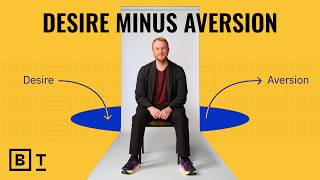
The productivity advice that will actually improve your life | Chris Bailey: Full Interview
15 трав. 2026 р.
Become a Big Think member to unlock expert classes, premium print issues, exclusive events and more: https://bigthink.com/membership/?utm_source=youtube&utm_medium=social&utm_campaign=membership&utm_content=bt-ytdesc-text-fi-bailey-aOVHFavyN2s Subscribe to Big Think on YouTube ► https://www.youtube.com/channel/UCvQECJukTDE2i6aCoMnS-Vg?sub_confirmation=1 Up next, The lost art of accomplishment without burnout ► https://www.youtube.com/watch?v=0HMjTxKRbaI Most productivity advice costs more time than it returns. The fix isn't a better system. It's understanding why some goals feel effortless and others feel like homework, and learning to close that distance. Author Chris Bailey breaks down the "intention stack," and the underrated role of values alignment in follow-through. 00:00 Chapter 1: Intentionality and how it shapes our goals 02:17 The “Intention Stack” explained 08:46 Characteristics of intention 14:45 Chapter 2: Why values are essential to goal attainment 16:01 How to define your values and embrace them 24:09 Chapter 3: How to follow through on goals 25:35 Why SMART goals don’t work 27:06 The four steps to actually accomplishing your goals 33:15 What causes procrastination and how to combat it 41:36 How to maintain momentum on your goals 45:22 Chapter 4: Focus in the age of distraction 51:40 How to achieve hyperfocus 57:13 The benefit of letting your mind wander Read the video transcript ► https://bigthink.com/series/full-interview/productivity-goals-bailey/?utm_source=youtube&utm_medium=video&utm_campaign=youtube_description © Freethink Media Inc., All Rights Reserved. ---------------------------------------------------------------------------------- Go Deeper with Big Think: ►Become a Big Think Youtube Member Get exclusive classes and early, ad-free access to new releases without leaving Youtube. https://www.youtube.com/@bigthink/membership/ ►Become a Big Think Web Member Get the entire Big Think Class library, premium print issues, live events, and more. https://bigthink.com/membership/ ►Subscribe to Big Think on Substack Get all of your favorite Big Think content delivered to your inbox. https://bigthinkmedia.substack.com/subscribe/ ►Listen to Big Think Interviews on Spotify Insights from the world's biggest thinkers, now as a podcast https://open.spotify.com/show/7KRYoRD1NdF2aoQcBMyPlb ---------------------------------------------------------------------------------- About Chris Bailey: Chris Bailey is an author and lecturer who explores the science behind living a more productive and intentional life. His books include The Productivity Project, Hyperfocus, and Intentional.

Why humans need fiction, according to neuroscience
14 трав. 2026 р.
We created this video in partnership with Unlikely Collaborators. What if the voice in your head is less of a witness and more of an interpreter? Two neuroscientists discuss the brain’s drive to explain, narrate, and make everything add up. Subscribe to Big Think on YouTube ► https://www.youtube.com/channel/UCvQECJukTDE2i6aCoMnS-Vg?sub_confirmation=1 Watch the full Perception Box series ► https://youtube.com/playlist?list=PL5uULy4b0kV4iomWS7CzqCdOCwj0lFnLr&si=yCY6E e7m6bpj7E-y Stories do not just entertain us; they may be one of the main ways our brains rehearse experience, assign meaning, and turn scattered moments into something that feels like a self. We are constantly sorting actions, memories and emotion into a version of events that feels coherent enough to live inside. Neuroscientists Michael Gazzaniga, PhD and Dean Buonomano, PhD draw on split-brain research to explain the left hemisphere’s “Interpreter”: the brain’s tendency to create explanations for behavior, even when it does not have the full picture.The instinct to create narratives likely shapes far more than self-understanding. It may underpin identity, belief, and the desire to belong in the world. Read more from this interview ► https://bigthink.com/videos/why-humans-need-stories/?utm_source=youtube&utm_medium=video&utm_campaign=youtube_description Explore the Perception Box series hub ► https://bigthink.com/perception-box/?utm_source=youtube&utm_medium=video&utm_campaign=youtube_description ---------------------------------------------------------------------------------- Go Deeper with Big Think: ►Become a Big Think Member Get exclusive access to full interviews, early access to new releases, Big Think merch and more. https://members.bigthink.com/?utm_source=youtube&utm_medium=video&utm_campaign=youtube_description ►Get Big Think+ for Business Guide, inspire and accelerate leaders at all levels of your company with the biggest minds in business. https://bigthink.com/plus/great-leaders-think-big/?utm_source=youtube&utm_medium=video&utm_campaign=youtube_description

What Newton and Einstein agreed on that our society doesn’t | Sean Carroll
12 трав. 2026 р.
Become a Big Think member to unlock expert classes, premium print issues, exclusive events and more: https://bigthink.com/membership/?utm_source=youtube&utm_medium=social&utm_campaign=membership&utm_content=bt-ytdesc-text-seg-carroll-68DgpdnjBEg Subscribe to Big Think on YouTube ► https://www.youtube.com/channel/UCvQECJukTDE2i6aCoMnS-Vg?sub_confirmation=1 Up next, Sean Carroll explains the biggest ideas in the universe | Full Interview ► https://www.youtube.com/watch?v=_TBNJyztai0 Time feels like the most obvious, standard metric in our world – until you ask a physicist like Sean Carroll about it. Underneath our widely accepted perceptions of linearity lies a much more interesting and complex world. Beneath these assumptions lies the most complex, unsolved question in physics: Why does time have any direction at all? Read the video transcript ► https://bigthink.com/series/the-big-think-interview/sean-carroll-entropy/?utm_source=youtube&utm_medium=video&utm_campaign=youtube_description © Freethink Media Inc., All Rights Reserved. ---------------------------------------------------------------------------------- Go Deeper with Big Think: ►Become a Big Think Youtube Member Get exclusive classes and early, ad-free access to new releases without leaving Youtube. https://www.youtube.com/@bigthink/membership/ ►Become a Big Think Web Member Get the entire Big Think Class library, premium print issues, live events, and more. https://bigthink.com/membership/ ►Subscribe to Big Think on Substack Get all of your favorite Big Think content delivered to your inbox. https://bigthinkmedia.substack.com/subscribe/ ►Listen to Big Think Interviews on Spotify Insights from the world's biggest thinkers, now as a podcast https://open.spotify.com/show/7KRYoRD1NdF2aoQcBMyPlb ---------------------------------------------------------------------------------- About Sean Carroll: Dr. Sean Carroll is Homewood Professor of Natural Philosophy — in effect, a joint appointment between physics and philosophy — at Johns Hopkins University in Baltimore, and fractal faculty at the Santa Fe Institute. Most of his career has been spent doing research on cosmology, field theory, and gravitation, looking at topics such as dark matter and dark energy, modified gravity, topological defects, extra dimensions, and violations of fundamental symmetries. These days, his focus has shifted to more foundational questions, both in quantum mechanics (origin of probability, emergence of space and time) and statistical mechanics (entropy and the arrow of time, emergence and causation, dynamics of complexity), bringing a more philosophical dimension to his work.

How music rewires and impacts the human body I Michael Spitzer: Full Interview
11 трав. 2026 р.
Become a Big Think member to unlock expert classes, premium print issues, exclusive events and more: https://bigthink.com/membership/?utm_source=youtube&utm_medium=social&utm_campaign=membership&utm_content=bt-ytdesc-text-fi-spitzer-aTL4qSLXlGE Subscribe to Big Think on YouTube ► https://www.youtube.com/channel/UCvQECJukTDE2i6aCoMnS-Vg?sub_confirmation=1 Up next, The mind-bending probability of our existence | Sean B. Carroll: Full Interview ► https://www.youtube.com/watch?v=6hOjpxNHgQc Music is at least a million years older than language, yet we still see it solely through the lens of entertainment. Professor Michael Spitzer argues it's something closer to a biological system, one that was shaping the human body long before we had words for what we were feeling. Why does a chord you've never heard before make you want to cry? Why do babies respond to rhythm before they've heard a single song? Why does the same part of your brain that processes mortal danger also process musical beauty? The answers reach back 4 million years, and forward into a future where music may be prescribed like medicine. 0:00 Chapter 1: The history of music 18:00 How civilization changed music 24:52 Chapter 2: The universality of music 37:00 How the west thinks about music all wrong 42:37 Chapter 3: Your brain on music 45:45 Why music gives you goosebumps 00:52:46 Chapter 4: The future of music Read the video transcript ► https://bigthink.com/series/full-interview/music-human-body/?utm_source=youtube&utm_medium=video&utm_campaign=youtube_description © Freethink Media Inc., All Rights Reserved. ---------------------------------------------------------------------------------- Go Deeper with Big Think: ►Become a Big Think Youtube Member Get exclusive classes and early, ad-free access to new releases without leaving Youtube. https://www.youtube.com/@bigthink/membership/ ►Become a Big Think Web Member Get the entire Big Think Class library, premium print issues, live events, and more. https://bigthink.com/membership/ ►Subscribe to Big Think on Substack Get all of your favorite Big Think content delivered to your inbox. https://bigthinkmedia.substack.com/subscribe/ ►Listen to Big Think Interviews on Spotify Insights from the world's biggest thinkers, now as a podcast https://open.spotify.com/show/7KRYoRD1NdF2aoQcBMyPlb ---------------------------------------------------------------------------------- About Michael Spitzer: Michael Spitzer is the author of The Musical Human and professor of music at the University of Liverpool, where he leads the department’s work on classical music. A music theorist and musicologist, he is an authority on Beethoven, with interests in aesthetics and critical theory, cognitive metaphor, and music and affect. He organized the International Conferences on Music and Emotion and the International Conference on Analyzing Popular Music and currently chairs the editorial board of Music Analysis Journal.

The dangerous and addictive fantasy of “unlimited potential” | Kate Bowler
5 трав. 2026 р.
This interview is an episode from The Well, our publication about ideas that inspire a life well-lived, created with the John Templeton Foundation. Subscribe to The Well on YouTube ► https://bit.ly/thewell-youtube Watch all of Bowler's interviews ► https://www.youtube.com/playlist?list=PL_B7bI1QVmJARVG8D6ywQ8TIbFglhl8eh Self-help tells us that we can fix anything with the right mindset, the right habits, the right 5-step plan. But what if that belief is doing more harm than good? Historian Kate Bowler traces the deep roots of America’s obsession with self-making — from prosperity gospel theology to the endless productivity hacks of optimization culture. She explains how self-help promises control over things that are fundamentally fragile: our health, our time, our relationships, our lives. The trouble is, we’re not machines to be upgraded. We’re human: breakable, dependent, and mortal. And any belief system that denies that will ultimately fail us. Read the video transcript ►https://bigthink.com/the-well/the-case-against-self-help/?utm_source=youtube&utm_medium=video&utm_campaign=youtube_description_bigthink ---------------------------------------------------------------------------------- About Kate Bowler: Kate Bowler is a four-time New York Times bestselling author, award-winning podcast host, and Professor of Religious History at Duke University. ---------------------------------------------------------------------------------- About The Well Do we inhabit a multiverse? Do we have free will? What is love? Is evolution directional? There are no simple answers to life’s biggest questions, and that’s why they’re the questions occupying the world’s brightest minds. Together, let's learn from them. Subscribe to the weekly newsletter ► https://bit.ly/thewellemailsignup ---------------------------------------------------------------------------------- Join The Well on your favorite platforms: ► Facebook: https://bit.ly/thewellFB ► Instagram: https://bit.ly/thewellIG

The child who learned to disappear is still running your adult relationships | Nicole LePera
1 трав. 2026 р.
Become a Big Think member to unlock expert classes, premium print issues, exclusive events and more: https://bigthink.com/membership/?utm_source=youtube&utm_medium=social&utm_campaign=membership&utm_content=bt-ytdesc-text-fi-lepera-8_ILxxufp78 Subscribe to Big Think on YouTube ► https://www.youtube.com/channel/UCvQECJukTDE2i6aCoMnS-Vg?sub_confirmation=1 Up next, The blueprint for becoming an emotionally mature adult, in 68 minutes | Mark Manson: Full Interview ► https://www.youtube.com/watch?v=8Swxy4tUE3s Dr. Nicole LePera, the holistic psychologist and NYT bestselling author behind Reparenting the Inner Child, breaks down the 6 archetypes of childhood trauma. LePera explains why insight alone never produces lasting change and walks through the science of reparenting: The practice of stepping in as the adult presence you may never have had. 0:00 Chapter 1: The six archetypes of childhood trauma 3:02 Personality vs. survival patterns 10:47 The hidden trauma you didn’t know you had 17:31 The 6 childhood trauma archetypes that still control you 23:45 Chapter 2: The inner child 29:16 What your inner child actually is (it’s not what you think) 36:58 Chapter 3: Reparenting for lasting transformation 45:55 Reparenting: the skill that rewires your brain for good Read the video transcript ► https://bigthink.com/series/full-interview/childhood-wounds/?utm_source=youtube&utm_medium=video&utm_campaign=youtube_description Purchase Nicole LePera's latest book ► https://bit.ly/4tdaOv7 Reparenting The Inner Child: The New Science of Our Oldest Wounds and How to Heal Them © Freethink Media Inc., All Rights Reserved. ---------------------------------------------------------------------------------- Go Deeper with Big Think: ►Become a Big Think Youtube Member Get exclusive classes and early, ad-free access to new releases without leaving Youtube. https://www.youtube.com/@bigthink/membership/ ►Become a Big Think Web Member Get the entire Big Think Class library, premium print issues, live events, and more. https://bigthink.com/membership/ ►Subscribe to Big Think on Substack Get all of your favorite Big Think content delivered to your inbox. https://bigthinkmedia.substack.com/subscribe/ ►Listen to Big Think Interviews on Spotify Insights from the world's biggest thinkers, now as a podcast https://open.spotify.com/show/7KRYoRD1NdF2aoQcBMyPlb ---------------------------------------------------------------------------------- About Nicole LePera: Dr. Nicole LePera is a Holistic Psychologist and Founder of the virtual healing platform, SelfHealers Circle. She's the author of The New York Times Bestselling book: "How To Do The Work" and "How to Meet Your Self." Dr. LePera also hosts SelfHealers Soundboard, a weekly ad-free podcast. She's the creator of the popular movement #selfhealers. Every day she releases free content to make healing and trauma education accessible, globally.
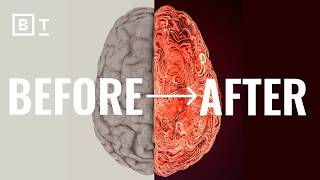
Keep your brain from declining after age 30
30 квіт. 2026 р.
We created this video in partnership with Unlikely Collaborators. Every time you move your body, your brain gets what one neuroscientist calls a “bubble bath” of dopamine, serotonin, and growth factors. Here’s how to activate it. Subscribe to Big Think on YouTube ► https://www.youtube.com/channel/UCvQECJukTDE2i6aCoMnS-Vg?sub_confirmation=1 Neuroscientists Wendy Suzuki, PhD, Samuel Wang, PhD, and Gary Small, MD explain how movement increases blood flow, boosts growth factors like BDNF, and floods the brain with mood-lifting neurochemicals. The brain and body are in constant conversation, and plasticity means your wiring is never fixed. According to Suzuki, even ten minutes of walking can shift your brain’s chemistry immediately, flooding it in a ‘bubble bath’ of positive neurochemicals. In other words, the way you use your body today shapes how your brain works tomorrow. Read more from this interview ► https://bigthink.com/videos/the-most-transformative-brain-activity/?utm_source=youtube&utm_medium=video&utm_campaign=youtube_description Explore the Perception Box series hub ► https://bigthink.com/perception-box/?utm_source=youtube&utm_medium=video&utm_campaign=youtube_description ---------------------------------------------------------------------------------- Go Deeper with Big Think: ►Become a Big Think Member Get exclusive access to full interviews, early access to new releases, Big Think merch and more. https://members.bigthink.com/?utm_source=youtube&utm_medium=video&utm_campaign=youtube_description ►Get Big Think+ for Business Guide, inspire and accelerate leaders at all levels of your company with the biggest minds in business. https://bigthink.com/plus/great-leaders-think-big/?utm_source=youtube&utm_medium=video&utm_campaign=youtube_description

The biggest red herring in our search for alien life | Sara Seager
28 квіт. 2026 р.
This interview is an episode from The Well, our publication about ideas that inspire a life well-lived, created with the John Templeton Foundation. Subscribe to The Well on YouTube ► https://bit.ly/thewell-youtube Watch all of Seager’s interviews ► https://www.youtube.com/playlist?list=PL_B7bI1QVmJDd11yscOAGnGrt6CGLiN_r Astrophysicist Sara Seager has redefined how we search for life, shifting the focus from definitive proof to the subtler, messier realm of possibility. By detecting biosignature gases — molecules that might indicate life in a planet’s atmosphere — her work explores what discovery looks like when certainty isn’t guaranteed. Volcanic gases and unknown chemistry can mimic life’s signals, meaning we may never get a perfect answer. But Seager sees beauty in that ambiguity. In adapting the famous Drake Equation, she offers a new framework for discovery, one that embraces the “maybes” as part of the scientific process. For the first time in human history, she says, we’re finally in a position to try. And that alone is extraordinary. Read the video transcript ► https://bigthink.com/the-well/the-biggest-obstacle-to-discovering-life-beyond-earth/?utm_source=youtube&utm_medium=video&utm_campaign=youtube_description_bigthink ---------------------------------------------------------------------------------- About Sara Seager: Professor Seager is Director for the MIT-led Venus Morning Star Missions to Venus and lead for Project Starshade. In the past she was Deputy Science Director for the MIT-led NASA mission TESS and PI for the on-orbit JPL/MIT CubeSat ASTERIA. ---------------------------------------------------------------------------------- About The Well Do we inhabit a multiverse? Do we have free will? What is love? Is evolution directional? There are no simple answers to life’s biggest questions, and that’s why they’re the questions occupying the world’s brightest minds. Together, let's learn from them. Subscribe to the weekly newsletter ► https://bit.ly/thewellemailsignup ---------------------------------------------------------------------------------- Join The Well on your favorite platforms: ► Facebook: https://bit.ly/thewellFB ► Instagram: https://bit.ly/thewellIG

The blueprint for becoming an emotionally mature adult, in 68 minutes | Mark Manson: Full Interview
24 квіт. 2026 р.
Become a Big Think member to unlock expert classes, premium print issues, exclusive events and more: https://bigthink.com/membership/?utm_source=youtube&utm_medium=social&utm_campaign=membership&utm_content=bt-ytdesc-text-fi-manson-8Swxy4tUE3s Subscribe to Big Think on YouTube ► https://www.youtube.com/channel/UCvQECJukTDE2i6aCoMnS-Vg?sub_confirmation=1 Up next, How to grow deeply happy | Jonny Thomson ► https://www.youtube.com/watch?v=2WShJeNX7W8 Most people are trying to solve the wrong problem, optimizing for happiness when happiness isn't actually a goal, it's a byproduct. Mark Manson, author of The Subtle Art of Not Giving a F*ck, argues that the entire self-help industry has been selling ephemeral highs: affirmations, visualizations, the relentless pursuit of feeling good. The research doesn't support it, and more importantly, neither does lived experience. 0:00 Chapter 1: Becoming an emotionally healthy adult 5:15 Why you feel empty: The narcissism trap 9:13 How our worldview develops over time 18:16 Chapter 2: Developing a healthy sense of hope 20:30 Three complications of hope 29:56 Chapter 3: How to fix your life by changing your values 34:22 What does “not-giving-a-f*ck” look like? 37:06 Two techniques for figuring out your values 43:34 Manson’s law of avoidance 50:08 Chapter 4: Achieving the right kind of success 59:14 The real secret to success: Do something (even if it sucks) Read the video transcript ► https://bigthink.com/series/full-interview/true-happiness-maturity/?utm_source=youtube&utm_medium=video&utm_campaign=youtube_description © Freethink Media Inc., All Rights Reserved. ---------------------------------------------------------------------------------- Go Deeper with Big Think: ►Become a Big Think Youtube Member Get exclusive classes and early, ad-free access to new releases without leaving Youtube. https://www.youtube.com/@bigthink/membership/ ►Become a Big Think Web Member Get the entire Big Think Class library, premium print issues, live events, and more. https://bigthink.com/membership/ ►Subscribe to Big Think on Substack Get all of your favorite Big Think content delivered to your inbox. https://bigthinkmedia.substack.com/subscribe/ ►Listen to Big Think Interviews on Spotify Insights from the world's biggest thinkers, now as a podcast https://open.spotify.com/show/7KRYoRD1NdF2aoQcBMyPlb ---------------------------------------------------------------------------------- About Mark Manson: Mark Manson is a three-time #1 New York Times bestselling author of The Subtle Art of Not Giving a F*ck, as well as other titles, which have sold over 20 million copies, been translated into more than 65 languages, and reached number one in more than a dozen countries. In 2023, a feature film about Manson’s life and ideas was released worldwide by Universal Pictures.

The mind-body connection you never knew you had
23 квіт. 2026 р.
We created this video in partnership with Unlikely Collaborators. The brain isn't separate from the body. It depends on it. Three scientists explain the biology behind one of science's most underexplored relationships. Subscribe to Big Think on YouTube ► https://www.youtube.com/channel/UCvQECJukTDE2i6aCoMnS-Vg?sub_confirmation=1 Your brain didn't evolve in isolation. It evolved to run the economy of your body, and every heartbeat, breath, and moment of thirst or anxiety is evidence of that system at work. Neuroscientist and author Aditi Nerurkar, neuroscientist Wendy Suzuki, and neurologist-philosopher Antonio Damasio break down the science of the mind-body connection: why it exists, how it works, and why understanding it can change the way you experience the world. Read more from this interview ► https://bigthink.com/videos/your-mind-body-connection-explained/?utm_source=youtube&utm_medium=video&utm_campaign=youtube_description Explore the Perception Box series hub ► https://bigthink.com/perception-box/?utm_source=youtube&utm_medium=video&utm_campaign=youtube_description ---------------------------------------------------------------------------------- Go Deeper with Big Think: ►Become a Big Think Member Get exclusive access to full interviews, early access to new releases, Big Think merch and more. https://members.bigthink.com/?utm_source=youtube&utm_medium=video&utm_campaign=youtube_description ►Get Big Think+ for Business Guide, inspire and accelerate leaders at all levels of your company with the biggest minds in business. https://bigthink.com/plus/great-leaders-think-big/?utm_source=youtube&utm_medium=video&utm_campaign=youtube_description

"Shitty flow" is real, and most people are drowning in it | Brad Stulberg: Full Interview
17 квіт. 2026 р.
Become a Big Think member to unlock expert classes, premium print issues, exclusive events and more: https://bigthink.com/membership/?utm_source=youtube&utm_medium=social&utm_campaign=membership&utm_content=bt-ytdesc-text-fi-stulberg-qbw38tHCUh4 Subscribe to Big Think on YouTube ► https://www.youtube.com/channel/UCvQECJukTDE2i6aCoMnS-Vg?sub_confirmation=1 Up next, What 85 years of research says is the real key to happiness | Robert Waldinger: Full Interview ► https://www.youtube.com/watch?v=_CxmzkYPvsg Most people chasing excellence are chasing the wrong thing entirely. Brad Stulberg argues that the 4am routines, optimization stacks, and recovery scores are just elaborate performance passed off as “excellence.” Stulberg breaks down the biology, philosophy, and psychology behind genuine excellence and how to reach it. 0:00 Chapter 1: What is excellence 2:44 Values, mastery, and mattering 5:00 The hidden biology driving our need to improve 8:55 The four phases of competence 11:13 What excellence is not 12:09 Chapter 2: The barriers to excellence 12:43 Barrier 1: Dysevolution 14:35 Barrier 2: Optimization culture 17:22 Barrier 3: “Shitty flow” 21:22 Barrier 4: Zombie burnout 27:05 Barrier 5: Happiness industrial complex 31:01 Barrier 6: Excellence as a standard 32:40 Chapter 3: Three key factors in the pursuit of excellence 33:51 How to set the right goals that actually work 39:20 Why consistency beats intensity 46:42 The long game of patience, plateaus, and breakthroughs Read the video transcript ► https://bigthink.com/series/full-interview/excellence-stulberg/?utm_source=youtube&utm_medium=video&utm_campaign=youtube_description © Freethink Media Inc., All Rights Reserved. ---------------------------------------------------------------------------------- Go Deeper with Big Think: ►Become a Big Think Youtube Member Get exclusive classes and early, ad-free access to new releases without leaving Youtube. https://www.youtube.com/@bigthink/membership/ ►Become a Big Think Web Member Get the entire Big Think Class library, premium print issues, live events, and more. https://bigthink.com/membership/ ►Subscribe to Big Think on Substack Get all of your favorite Big Think content delivered to your inbox. https://bigthinkmedia.substack.com/subscribe/ ►Listen to Big Think Interviews on Spotify Insights from the world's biggest thinkers, now as a podcast https://open.spotify.com/show/7KRYoRD1NdF2aoQcBMyPlb ---------------------------------------------------------------------------------- About Brad Stulberg: Brad Stulberg is the author of Master of Change, The Practice of Groundedness, and The Way of Excellence. He has written for the New York Times, the Wall Street Journal and The Atlantic, among many other publications. He is on faculty at the University of Michigan School of Public Health.

The strange science of your ever-changing identity
16 квіт. 2026 р.
We created this video in partnership with Unlikely Collaborators. Bad news: your sense of self is made up. The good news is, you’re able to change it. Neuroscience and psychology explain. Subscribe to Big Think on YouTube ► https://www.youtube.com/channel/UCvQECJukTDE2i6aCoMnS-Vg?sub_confirmation=1 Perception feels stable. Your sense of self feels solid. Yet neuroscientist Heather Berlin, psychologist Ethan Kross and neuroscientist Nicole Vignola explain that both are created by the brain. Through prediction, memory and neural pruning, the mind builds a narrative that feels coherent and fixed, even though modern science suggests that it’s continually shaped by pre-existing beliefs and experience. Seeing the construction clearly is the first step toward altering it. Read more from this interview ► https://bigthink.com/videos/how-your-brain-builds-and-edits-your-identity/?utm_source=youtube&utm_medium=video&utm_campaign=youtube_description Explore the Perception Box series hub ► https://bigthink.com/perception-box/?utm_source=youtube&utm_medium=video&utm_campaign=youtube_description ---------------------------------------------------------------------------------- Go Deeper with Big Think: ►Become a Big Think Member Get exclusive access to full interviews, early access to new releases, Big Think merch and more. https://members.bigthink.com/?utm_source=youtube&utm_medium=video&utm_campaign=youtube_description ►Get Big Think+ for Business Guide, inspire and accelerate leaders at all levels of your company with the biggest minds in business. https://bigthink.com/plus/great-leaders-think-big/?utm_source=youtube&utm_medium=video&utm_campaign=youtube_description

Stop trying to turn your suffering into a success story | Kate Bowler
14 квіт. 2026 р.
This interview is an episode from The Well, our publication about ideas that inspire a life well-lived, created with the John Templeton Foundation. Subscribe to The Well on YouTube ► https://bit.ly/thewell-youtube Watch Bowler’s next interview ► How self-help became America's religion https://www.youtube.com/watch?v=c3tZR1ZY1N8 American culture demands that pain be productive. Historian Kate Bowler explores how the obsession with finding meaning in suffering turns into what she calls “purpose monsters”: the need to make every loss, failure, or tragedy count for something. But not everything happens for a reason. And not all pain is a lesson. Bowler argues that grief deserves the dignity of honesty, not reframing. Instead of rearranging the past to find meaning, she suggests asking a different question: What’s left? And what might still be beautiful? Read the video transcript ►https://bigthink.com/the-well/is-pain-productive-or-pointless/?utm_source=youtube&utm_medium=video&utm_campaign=youtube_description_bigthink ---------------------------------------------------------------------------------- About Kate Bowler: Kate Bowler is a four-time New York Times bestselling author, award-winning podcast host, and Professor of Religious History at Duke University. ---------------------------------------------------------------------------------- About The Well Do we inhabit a multiverse? Do we have free will? What is love? Is evolution directional? There are no simple answers to life’s biggest questions, and that’s why they’re the questions occupying the world’s brightest minds. Together, let's learn from them. Subscribe to the weekly newsletter ► https://bit.ly/thewellemailsignup ---------------------------------------------------------------------------------- Join The Well on your favorite platforms: ► Facebook: https://bit.ly/thewellFB ► Instagram: https://bit.ly/thewellIG
This Roman ritual made conquered kings beg to die | Mary Beard
14 квіт. 2026 р.
Become a Big Think member to unlock expert classes, premium print issues, exclusive events and more: https://bigthink.com/membership/?utm_source=youtube&utm_medium=social&utm_campaign=yt_desc Subscribe to Big Think on YouTube ► https://www.youtube.com/channel/UCvQECJukTDE2i6aCoMnS-Vg?sub_confirmation=1 Up next, Hollywood lied to you about Ancient Rome. Here’s the truth | Mary Beard: Full Interview ► https://www.youtube.com/watch?v=v_yP8C7uo3Y Mary Beard uncovers the spectacle of the Ancient Roman parade, the Roman Triumph. Simultaneously a declaration of Roman supremacy and an admission that conquest might just be theft at scale, these Roman propaganda events were so terrifying that Cleopatra famously chose death over appearing in one. If you'd like to see Mary Beard discuss these ideas live, go to: https://www.instantclassicspod.com/events Read the video transcript ► https://bigthink.com/series/the-big-think-interview/roman-triumph-mary-beard/?utm_source=youtube&utm_medium=video&utm_campaign=youtube_description © Freethink Media Inc., All Rights Reserved. ---------------------------------------------------------------------------------- Go Deeper with Big Think: ►Become a Big Think Youtube Member Get exclusive classes and early, ad-free access to new releases without leaving Youtube. https://www.youtube.com/@bigthink/membership/ ►Become a Big Think Web Member Get the entire Big Think Class library, premium print issues, live events, and more. https://bigthink.com/membership/ ►Subscribe to Big Think on Substack Get all of your favorite Big Think content delivered to your inbox. https://bigthinkmedia.substack.com/subscribe/ ►Listen to Big Think Interviews on Spotify Insights from the world's biggest thinkers, now as a podcast https://open.spotify.com/show/7KRYoRD1NdF2aoQcBMyPlb ---------------------------------------------------------------------------------- About Mary Beard: Winifred Mary Beard, OBE, FBA, FSA is an English Classical scholar. She is Professor of Classics at the University of Cambridge, a fellow of Newnham College, and Royal Academy of Arts professor of ancient literature. She is also the classics editor of The Times Literary Supplement, and author of the blog, "A Don's Life," which appears in The Times as a regular column. Her frequent media appearances and sometimes controversial public statements have led to her being described as "Britain's best-known classicist."

The brain on MDMA can go somewhere CBT has never been able to reach | Rachel Yehuda: Full Interview
10 квіт. 2026 р.
Become a Big Think member to unlock expert classes, premium print issues, exclusive events and more: https://bigthink.com/membership/?utm_source=youtube&utm_medium=social&utm_campaign=yt_desc Subscribe to Big Think on YouTube ► https://www.youtube.com/channel/UCvQECJukTDE2i6aCoMnS-Vg?sub_confirmation=1 Up next, The bizarre phenomena that medicine struggles to explain | David Linden: Full Interview ► https://www.youtube.com/watch?v=Hu1PyOP_NGA Trauma doesn't end when the danger does, and for decades, science couldn’t explain why. Rachel Yehuda, a leading PTSD researcher, has spent her career inside that question, uncovering how trauma leaves impressions on our genes, sometimes passing biological echoes on to the next generation. Now, she’s focused on a therapy that could actually break the chain. 0:00 Introduction: What trauma does to the brain 0:20 Chapter 1: Why trauma sticks 3:05 Stress vs. trauma: what’s the difference? 5:55 Why most people don’t develop PTSD 8:37 Chapter 2: How MDMA-assisted therapy can break the loop 9:19 How trauma warps self-perception 12:40 MDMA-assisted therapy explained 16:38 How societal narratives shape recovery (or worsen it) 23:04 The reality of psychedelic therapy (not a quick fix) 28:55 Chapter 3: Healing can echo across generations 30:48 Epigenetics explained 40:00 Can healing be passed on too? 43:43 PTSD beyond fear: guilt, shame, and trauma 47:01 What real healing looks like Read the video transcript ► https://bigthink.com/series/full-interview/mdma-therapy-yehuda/?utm_source=youtube&utm_medium=video&utm_campaign=youtube_description © Freethink Media Inc., All Rights Reserved. ---------------------------------------------------------------------------------- Go Deeper with Big Think: ►Become a Big Think Youtube Member Get exclusive classes and early, ad-free access to new releases without leaving Youtube. https://www.youtube.com/@bigthink/membership/ ►Become a Big Think Web Member Get the entire Big Think Class library, premium print issues, live events, and more. https://bigthink.com/membership/ ►Subscribe to Big Think on Substack Get all of your favorite Big Think content delivered to your inbox. https://bigthinkmedia.substack.com/subscribe/ ►Listen to Big Think Interviews on Spotify Insights from the world's biggest thinkers, now as a podcast https://open.spotify.com/show/7KRYoRD1NdF2aoQcBMyPlb ---------------------------------------------------------------------------------- About [Speaker Name]: Rachel Yehuda, PhD, Professor of Psychiatry and Neuroscience, is the Director of the Traumatic Stress Studies Division at Icahn School of Medicine, and the Mental Health Patient Care Center Director at the James J. Peters Veterans Affairs Medical Center. Dr. Yehuda has authored more than 300 published papers, chapters, and books in the field of traumatic stress and the neurobiology of PTSD. Her current interests include the study of novel treatments for PTSD, the examination of risk and resilience factors, the study of psychological and biological predictors of treatment response in PTSD, genetic, epigenetic, and molecular biological studies of PTSD and the intergenerational transmission of trauma and PTSD. Her team's research on cortisol and brain function has revolutionized our understanding and treatment of PTSD worldwide. Dr. Yehuda has received many awards in recognition of her work including the Curt Richter Prize in Psychoneuroendocrinology, and the Laufer award from the International Society for Traumatic Stress. She was also awarded the Max Planck Institute for Psychiatry (Munich, Germany) 2004 Guest Professorship in Psychiatry and Neuroscience, and the Marcus Tausk Professorship in Leiden University to honor her accomplishments in the endocrinology of PTSD. Dr. Yehuda received her PhD in Psychology and Neurochemistry and her MS in Biological Psychology from the University of Massachusetts at Amherst and completed her postdoctoral training in Biological Psychiatry in the Psychiatry Department at Yale Medical School. She has an active federally funded clinical and research program that welcomes students and clinicians.

What happens to your brain when you’re dreaming
9 квіт. 2026 р.
We created this video in partnership with Unlikely Collaborators. Have you ever woken up after a dream and thought to yourself, “That made absolutely no sense”? According to modern neuroscience, there’s a reason why dreams feel so abstract and bizarre. Two sleep experts discuss. Subscribe to Big Think on YouTube ► https://www.youtube.com/channel/UCvQECJukTDE2i6aCoMnS-Vg?sub_confirmation=1 Every 90 minutes, our bodies go paralyzed while our brains become more active than during waking life. Sleep psychologist Dr. Shelby Harris and neuroscientist Dr. Patrick McNamara, Associate Professor of Neurology at Boston University, dig into one of the most fascinating mysteries in human biology: why we dream and what our brains are actually doing during REM sleep. They explore competing theories of what dreaming is for, McNamara makes a compelling case that REM sleep may have been a key driver of early human creativity, and both reflect on why reclaiming our reverence for the dream state could change the way we think and create. Read more from this interview ► https://bigthink.com/perception-box/the-physiology-of-dreams-explained/?utm_source=youtube&utm_medium=video&utm_campaign=youtube_description Explore the Perception Box series hub ► https://bigthink.com/perception-box/?utm_source=youtube&utm_medium=video&utm_campaign=youtube_description ---------------------------------------------------------------------------------- Go Deeper with Big Think: ►Become a Big Think Member Get exclusive access to full interviews, early access to new releases, Big Think merch and more. https://members.bigthink.com/?utm_source=youtube&utm_medium=video&utm_campaign=youtube_description ►Get Big Think+ for Business Guide, inspire and accelerate leaders at all levels of your company with the biggest minds in business. https://bigthink.com/plus/great-leaders-think-big/?utm_source=youtube&utm_medium=video&utm_campaign=youtube_description

The search for aliens is shifting its criteria | Sara Seager
7 квіт. 2026 р.
This interview is an episode from The Well, our publication about ideas that inspire a life well-lived, created with the John Templeton Foundation. Subscribe to The Well on YouTube ► https://bit.ly/thewell-youtube Watch Seager’s next interview ► Why volcanoes might fool us into thinking we’ve found other intelligent life https://youtu.be/fPCuQcHusjQ?si=iIhM5MjK_zhofFf8 Astrophysicist Sara Seager has spent decades expanding how we search for life beyond Earth: not by asking what we would look like out there, but by imagining forms of intelligence that may be utterly unlike our own. Her work explores “technosignatures” — physical clues of advanced life, from satellite swarms to artificial light. As artificial intelligence accelerates here on Earth, Seager considers whether post-biological life might be what awaits us — and whether it already exists elsewhere in the cosmos. Our biggest challenge, she suggests, may be learning to see past the limits of our own imagination. Read the video transcript ► https://bigthink.com/the-well/the-biggest-obstacle-to-discovering-life-beyond-earth/?utm_source=youtube&utm_medium=video&utm_campaign=youtube_description_bigthink ---------------------------------------------------------------------------------- About Sara Seager: Professor Seager is Director for the MIT-led Venus Morning Star Missions to Venus and lead for Project Starshade. In the past she was Deputy Science Director for the MIT-led NASA mission TESS and PI for the on-orbit JPL/MIT CubeSat ASTERIA. ---------------------------------------------------------------------------------- About The Well Do we inhabit a multiverse? Do we have free will? What is love? Is evolution directional? There are no simple answers to life’s biggest questions, and that’s why they’re the questions occupying the world’s brightest minds. Together, let's learn from them. Subscribe to the weekly newsletter ► https://bit.ly/thewellemailsignup ---------------------------------------------------------------------------------- Join The Well on your favorite platforms: ► Facebook: https://bit.ly/thewellFB ► Instagram: https://bit.ly/thewellIG
The bizarre phenomena that medicine struggles to explain | David Linden: Full Interview
3 квіт. 2026 р.
Become a Big Think member to unlock expert classes, premium print issues, exclusive events and more: https://bigthink.com/membership/?utm_source=youtube&utm_medium=social&utm_campaign=membership&utm_content=bt-ytdesc-text-fi-linden-Hu1PyOP_NGA Subscribe to Big Think on YouTube ► https://www.youtube.com/channel/UCvQECJukTDE2i6aCoMnS-Vg?sub_confirmation=1 Up next, How evolution works in 54 minutes | Sean B. Carroll: Full Interview ► https://www.youtube.com/watch?v=h18ohlI-qQc Neuroscientist David Linden sheds light on the biology behind phenomena that medicine has long struggled to explain, from voodoo death and broken heart syndrome to the placebo effect, and why grief shows up in autopsy results. Linden also explores the rising GLP-1 drugs, their effects on addiction, and why they don’t work forever. 0:00 Chapter 1: The connection between mind and body 6:45 Chapter 2: Hacking the hunger system with GLP1 12:42 GLP-1 and the new era of appetite control 20:03 Modern food engineering vs. ancient biology 21:43 Chapter 3: Voodoo death, broken heart syndrome, and placebos 22:14 Voodoo Death & Misdiagnosis 27:00 Broken hearts, placebos, and the power of expectation 31:08 The Placebo Effect 37:09 From mind-body science to medicine 40:32 Chapter 4: How our brains fight cancer 42:00 Cancer, the Nervous system, and ‘The Way of the Nerd’ 58:35 Chapter 5: How a neuroscientist prepares for death Read the video transcript ► https://bigthink.com/series/full-interview/linden-biological-phenomena/?utm_source=youtube&utm_medium=video&utm_campaign=youtube_description © Freethink Media Inc., All Rights Reserved. ---------------------------------------------------------------------------------- Go Deeper with Big Think: ►Become a Big Think Youtube Member Get exclusive classes and early, ad-free access to new releases without leaving Youtube. https://www.youtube.com/@bigthink/membership/ ►Become a Big Think Web Member Get the entire Big Think Class library, premium print issues, live events, and more. https://bigthink.com/membership/ ►Subscribe to Big Think on Substack Get all of your favorite Big Think content delivered to your inbox. https://bigthinkmedia.substack.com/subscribe/ ►Listen to Big Think Interviews on Spotify Insights from the world's biggest thinkers, now as a podcast https://open.spotify.com/show/7KRYoRD1NdF2aoQcBMyPlb ---------------------------------------------------------------------------------- About David Linden: David J. Linden is a Professor in the Department of Neuroscience at the Johns Hopkins University School of Medicine. His laboratory has worked for many years on the cellular substrates of memory storage in the brain and a few other topics. He has a longstanding interest in scientific communication and serves as the Chief Editor of the Journal of Neurophysiology. He lives in Baltimore, Maryland with his two children. David is the author of The Accidental Mind: How Brain Evolution Has Given Us Love, Memory, Dreams and God and most recently, The Compass of Pleasure: How Our Brains Make Fatty Foods, Orgasm, Exercise, Marijuana, Generosity, Vodka, Learning, and Gambling Feel So Good.