Новости
The Daily
The New York Times
This is what the news should sound like. The biggest stories of our time, told by the best journalists in the world. Hosted by Michael Barbaro, Rachel Abrams and Natalie Kitroeff. Twenty minutes a day, six days a week, ready by 6 a.m. Subscribe today at nytimes.com/podcasts or on Apple Podcasts and Spotify. You can also subscribe via your favorite podcast app here https://www.nytimes.com/activate-access/audio?source=podcatcher.
 Открыть в Clue
Эпизоды для изучения английского103
The Unprecedented Personal Profits of Trump’s Presidency
9 июл. 2026 г.30 min<p>A recent financial disclosure shows that President Trump has made $2.2 billion since he returned to office.</p> <p>Today, Eric Lipton, a New York Times investigative reporter, reveals the Trump family’s next potential windfall and how the president’s position is once again helping it happen.</p> <p>Guest: <a href="https://www.nytimes.com/by/eric-lipton" target="_blank" rel="noopener noreferrer"><strong>Eric Lipton</strong></a>, an investigative reporter for The New York Times.</p> <p>Background reading: </p> <ul> <li>Mr. Trump and his family reaped <a href="https://www.nytimes.com/2026/07/01/us/politics/trump-crypto-memecoin-world-liberty.html" target="_blank" rel="noopener noreferrer">huge financial rewards from a crypto venture</a>, even as routine investors suffered vast losses.</li> <li>He has collected about $1.4 billion in new revenue from <a href="https://www.nytimes.com/2026/06/30/us/politics/trump-moneymaking-presidential-history.html" target="_blank" rel="noopener noreferrer">businesses that directly benefited</a> from his actions as president.</li> </ul> <p>Photo: Sergey Ponomarev for The New York Times</p> <p>For more information on today’s episode, visit <a href="http://nytimes.com/thedaily?smid=pc-thedaily" rel="noopener noreferrer">nytimes.com/thedaily</a>. Transcripts of each episode will be made available by the next workday. </p> <p><p>Subscribe today at <a href="http://nytimes.com/podcasts">nytimes.com/podcasts</a> or on Apple Podcasts and Spotify. You can also subscribe via your favorite podcast app here <a href="https://www.nytimes.com/activate-access/audio?source=podcatcher">https://www.nytimes.com/activate-access/audio?source=podcatcher</a>. For more podcasts and narrated articles, download The New York Times app at nytimes.com/app.</p></p><br/> <p>Hosted by Simplecast, an AdsWizz company. See <a href="https://pcm.adswizz.com">pcm.adswizz.com</a> for information about our collection and use of personal data for advertising.</p>

The Implosion of Graham Platner
8 июл. 2026 г.35 min<p>The campaign for Graham Platner, the Democratic nominee for Senate from Maine, imploded this week after he was accused of rape.</p> <p>Lisa Lerer and Shane Goldmacher, national political correspondents for The New York Times, discuss the battle over who should replace him on the ballot and the identity crisis inside the Democratic Party.</p> <p>Guest:</p> <ul> <li><a href="https://www.nytimes.com/by/lisa-lerer" target="_blank" rel="noopener noreferrer"><strong>Lisa Lerer</strong></a>, a national political correspondent for The New York Times.</li> <li><a href="https://www.nytimes.com/by/shane-goldmacher" target="_blank" rel="noopener noreferrer"><strong>Shane Goldmacher</strong></a>, a national political correspondent for The New York Times.</li> </ul> <p>Background reading: </p> <ul> <li><a href="https://www.nytimes.com/2026/07/06/us/politics/graham-platner-maine-assault.html" target="_blank" rel="noopener noreferrer">Mr. Platner’s Democratic support evaporated</a> after the sexual assault allegation.</li> <li>Progressives and moderates are gearing up for a fight over an <a href="https://www.nytimes.com/2026/07/07/us/politics/graham-platner-maine-replacements-democrats.html" target="_blank" rel="noopener noreferrer">as-yet-undecided process in Maine to name a replacement for Mr. Platner</a>.</li> </ul> <p>Photo: Sophie Park for The New York Times</p> <p>For more information on today’s episode, visit <a href="http://nytimes.com/thedaily?smid=pc-thedaily" rel="noopener noreferrer"><strong>nytimes.com/thedaily</strong></a>. Transcripts of each episode will be made available by the next workday. </p> <p><p>Subscribe today at <a href="http://nytimes.com/podcasts">nytimes.com/podcasts</a> or on Apple Podcasts and Spotify. You can also subscribe via your favorite podcast app here <a href="https://www.nytimes.com/activate-access/audio?source=podcatcher">https://www.nytimes.com/activate-access/audio?source=podcatcher</a>. For more podcasts and narrated articles, download The New York Times app at nytimes.com/app.</p></p><br/> <p>Hosted by Simplecast, an AdsWizz company. See <a href="https://pcm.adswizz.com">pcm.adswizz.com</a> for information about our collection and use of personal data for advertising.</p>
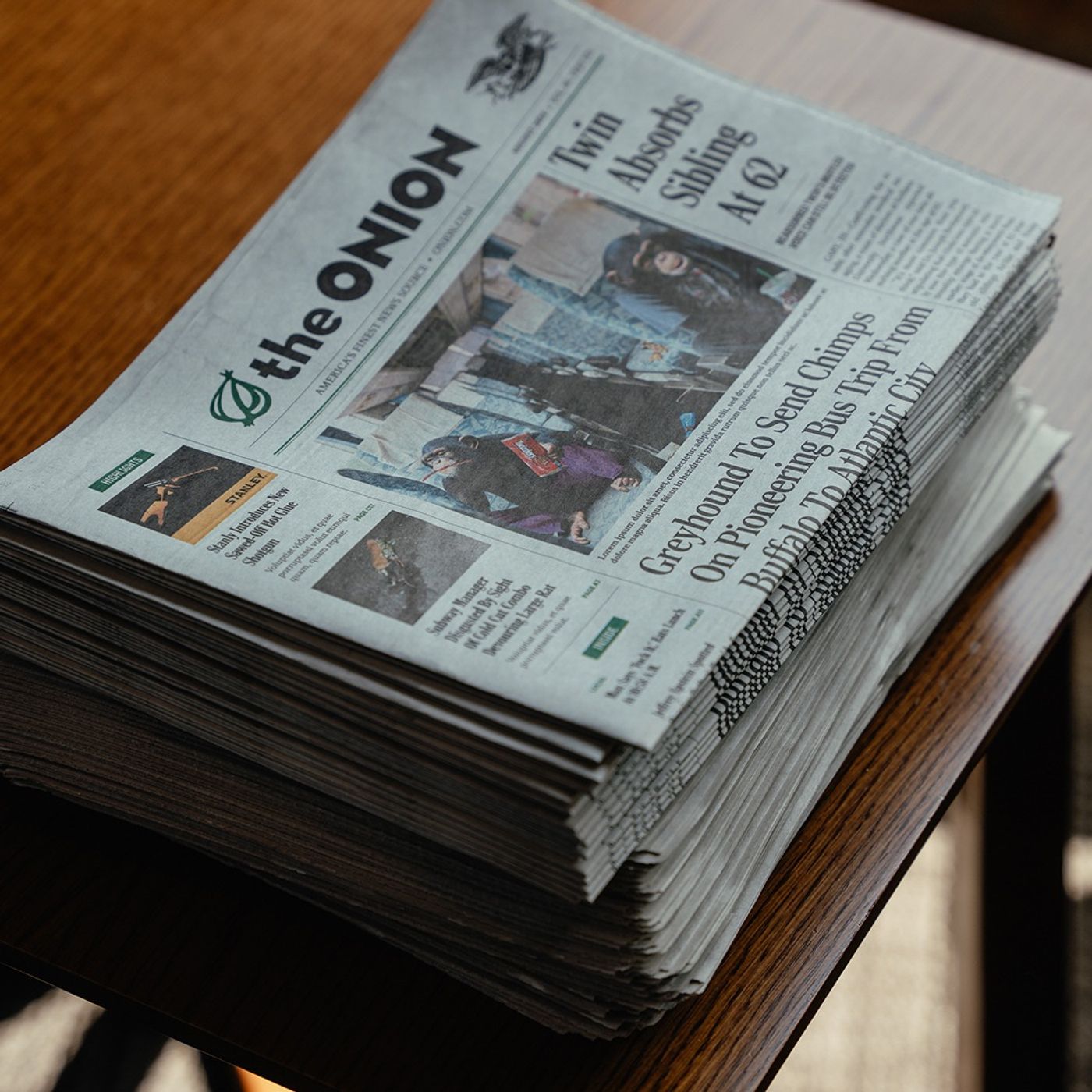
The Onion’s Latest Joke: Taking Over Infowars
7 июл. 2026 г.22 min<p>Last Thursday, the satirical newspaper The Onion started its own version of Infowars, the infamous online hub of misinformation created by Alex Jones.</p> <p>The takeover has been years in the making. After Mr. Jones lost two defamation cases, his assets were put up for auction. The Onion took over Infowars and said it planned to convert the site into a parody of itself.</p> <p>Ben Collins, who is the chief executive of The Onion, and the comedian Tim Heidecker talk about what they plan to do with the newly acquired platform and why they pushed so hard to take control of it. </p> <p>Guest:</p> <ul> <li><strong>Ben Collins</strong>, chief executive of The Onion</li> <li><strong>Tim Heidecker</strong>, actor and comedian</li> </ul> <p>Background reading: </p> <ul> <li><a href="https://www.nytimes.com/2026/04/20/business/infowars-alex-jones-the-onion.html" target="_blank" rel="noopener noreferrer">The Onion’s plan</a> to take over Infowars.</li> </ul> <p>Photo: Jamie Kelter Davis for The New York Times</p> <p>For more information on today’s episode, visit <a href="http://nytimes.com/thedaily?smid=pc-thedaily" rel="noopener noreferrer"><strong>nytimes.com/thedaily</strong></a>. Transcripts of each episode will be made available by the next workday. </p> <p><p>Subscribe today at <a href="http://nytimes.com/podcasts">nytimes.com/podcasts</a> or on Apple Podcasts and Spotify. You can also subscribe via your favorite podcast app here <a href="https://www.nytimes.com/activate-access/audio?source=podcatcher">https://www.nytimes.com/activate-access/audio?source=podcatcher</a>. For more podcasts and narrated articles, download The New York Times app at nytimes.com/app.</p></p><br/> <p>Hosted by Simplecast, an AdsWizz company. See <a href="https://pcm.adswizz.com">pcm.adswizz.com</a> for information about our collection and use of personal data for advertising.</p>

The Landmark Housing Bill That Trump Refuses to Sign
6 июл. 2026 г.24 min<p>President Trump called a major bill to address the housing crisis “the most comprehensive and consequential housing legislation in the history of our country,” and a Congress controlled by his own party passed it by overwhelming margins.</p> <p>So why is he refusing to sign it?</p> <p>Michael Gold, who covers Congress for The New York Times, discusses Mr. Trump’s abrupt reversal and what may lie ahead.</p> <p>Guest: <strong>Michael Gold</strong>, a congressional correspondent for The New York Times in Washington.</p> <p>Background reading: </p> <ul> <li>Mr. Trump’s refusal to sign the housing bill <a href="http://nytimes.com/2026/06/24/us/politics/trump-housing-bill-voting-restrictions.html" target="_blank" rel="noopener noreferrer">complicates a bipartisan effort</a>.</li> <li>These are <a href="http://nytimes.com/2026/06/25/us/politics/trump-housing-bill-scenarios.html" target="_blank" rel="noopener noreferrer">the three potential fates</a> for the bill.</li> </ul> <p>Photo: Philip Cheung for The New York Times</p> <p>For more information on today’s episode, visit <a href="http://nytimes.com/thedaily?smid=pc-thedaily" rel="noopener noreferrer"><strong>nytimes.com/thedaily</strong></a>. Transcripts of each episode will be made available by the next workday. </p> <p><p>Subscribe today at <a href="http://nytimes.com/podcasts">nytimes.com/podcasts</a> or on Apple Podcasts and Spotify. You can also subscribe via your favorite podcast app here <a href="https://www.nytimes.com/activate-access/audio?source=podcatcher">https://www.nytimes.com/activate-access/audio?source=podcatcher</a>. For more podcasts and narrated articles, download The New York Times app at nytimes.com/app.</p></p><br/> <p>Hosted by Simplecast, an AdsWizz company. See <a href="https://pcm.adswizz.com">pcm.adswizz.com</a> for information about our collection and use of personal data for advertising.</p>

The Most American Episode of The Daily, Ever.
5 июл. 2026 г.43 min<p>In celebration of the United States of America’s 250th birthday, we posed a simple question to some of our favorite critics, columnists and editors across the New York Times newsroom, people who write about books, movies, TV shows, science, sports, wellness and food. We asked: What’s the most American thing on your beat?</p> <p>On today’s episode, we present their answers. Happy Birthday, America!<br> </p> <p><strong>On Today’s Episode</strong></p> <p>Joshua Barone, culture editor, on “Rodeo,” composed by Aaron Copland</p> <p>Vanessa Friedman, chief fashion critic, on workout gear</p> <p>Erik Piepenburg, culture writer, on the movie “Get Out”</p> <p>Kevin Roose, technology columnist, on Amazon Prime</p> <p>Mekado Murphy, culture editor, on the roller coaster The Beast</p> <p>James Poniewozik, chief television critic, on “Survivor”</p> <p>Jancee Dunn, wellness writer, on productivity and sleep</p> <p>Elena Bergeron, culture editor, on U.S. hockey</p> <p>Jennifer Szalai, nonfiction book critic at the Book Review, on “Paved Paradise: How Parking Explains the World” by Henry Grabar</p> <p>Bill Wasik, science editor, on liquid rocket fuel</p> <p>Madison Malone Kircher, internet culture reporter, on Bama Rush</p> <p>Kim Severson, food reporter, on M&M’s</p> <p>MJ Franklin, editor at the Book Review, on “The Love Songs of W.E.B. Du Bois” by Honorée Fanonne Jeffers</p> <p>Helen Shaw, chief theater critic, on “The Century Cycle” by August Wilson</p> <p>Alissa Wilkinson, film critic, on the movie “There Will Be Blood”</p> <p>Zachary Small, culture reporter, on Grand Theft Auto</p> <p>Elisabeth Vincentelli, culture reporter, on demolition derbies</p> <p>Jason Zinoman, critic at large, on the song “Political Science” by Randy Newman</p> <p>Jason Farago, critic at large, on the Statue of Liberty</p> <p>A.O. Scott, critic at large, on “Crossing Brooklyn Ferry” by Walt Whitman (featuring a reading by Jeffrey Wright)</p> <p>Gia Kourlas, dance critic, on “Stars and Stripes” by George Balanchine and “Appalachian Spring” by Martha Graham</p> <p>Jon Caramanica, pop music critic, on “Trump Trump Baby” by Forgiato Blow<br><br> <strong>Photo credit: </strong>The New York Times</p> <p><p>Subscribe today at <a href="http://nytimes.com/podcasts">nytimes.com/podcasts</a> or on Apple Podcasts and Spotify. You can also subscribe via your favorite podcast app here <a href="https://www.nytimes.com/activate-access/audio?source=podcatcher">https://www.nytimes.com/activate-access/audio?source=podcatcher</a>. For more podcasts and narrated articles, download The New York Times app at nytimes.com/app.</p></p><br/> <p>Hosted by Simplecast, an AdsWizz company. See <a href="https://pcm.adswizz.com">pcm.adswizz.com</a> for information about our collection and use of personal data for advertising.</p>

250 Years Later, Why We’re Still Fighting About Our Founding
3 июл. 2026 г.36 min<p>Two hundred and fifty years ago, the founding fathers gave rise to a new nation. They also gave rise to an enduring myth about their virtue and what that meant about America’s virtue as a country.</p> <p>Jia Lynn Yang, a New York Times journalist, discusses how the founding myth has evolved, why we are still fighting about it and why it may hold the key to America’s future.</p> <p>Guest: <a href="https://www.nytimes.com/by/jia-lynn-yang" target="_blank" rel="noopener noreferrer"><strong>Jia Lynn Yang</strong></a>, a New York Times journalist writing explanatory pieces about the ideas underlying the news.</p> <p>Background reading: </p> <ul> <li><a href="https://www.nytimes.com/2026/06/26/magazine/a-founding-story-to-unify-left-and-right.html" target="_blank" rel="noopener noreferrer">Is there a founding story that can unify left and right</a>?</li> </ul> <p>Photo: Michelle Gustafson for The New York Times</p> <p>For more information on today’s episode, visit <a href="http://nytimes.com/thedaily?smid=pc-thedaily" rel="noopener noreferrer"><strong>nytimes.com/thedaily</strong></a>. Transcripts of each episode will be made available by the next workday. </p> <p><p>Subscribe today at <a href="http://nytimes.com/podcasts">nytimes.com/podcasts</a> or on Apple Podcasts and Spotify. You can also subscribe via your favorite podcast app here <a href="https://www.nytimes.com/activate-access/audio?source=podcatcher">https://www.nytimes.com/activate-access/audio?source=podcatcher</a>. For more podcasts and narrated articles, download The New York Times app at nytimes.com/app.</p></p><br/> <p>Hosted by Simplecast, an AdsWizz company. See <a href="https://pcm.adswizz.com">pcm.adswizz.com</a> for information about our collection and use of personal data for advertising.</p>
The Fallout of Massive Earthquakes for Venezuela — and the U.S.
2 июл. 2026 г.41 min<p>The rare doublet earthquake in Venezuela was one of the most powerful tectonic events to strike the country in the past century, and the death toll was virtually certain to rise as rescuers began to reach hard-hit areas and remote hillside towns.</p> <p>Carlos Prieto, a producer on “The Daily,” speaks to Venezuelans about how they’ve united after the disaster. Then, Anatoly Kurmanaev, a New York Times correspondent in Venezuela, discusses how the aftermath of the tragedy has forced the Trump administration to shift its plans.</p> <p>Guest: </p> <ul> <li><a href="https://www.nytimes.com/by/carlos-prieto" target="_blank" rel="noopener noreferrer"><strong>Carlos Prieto</strong></a>, an audio producer for <a href="https://www.nytimes.com/column/the-daily" target="_blank" rel="noopener noreferrer">“The Daily.”</a></li> <li><a href="https://www.nytimes.com/by/anatoly-kurmanaev" target="_blank" rel="noopener noreferrer"><strong>Anatoly Kurmanaev</strong></a>, a reporter for The New York Times, currently covering Venezuela.</li> </ul> <p>Background reading: </p> <ul> <li><a href="https://www.nytimes.com/2026/06/25/world/americas/venezuela-earthquake.html" target="_blank" rel="noopener noreferrer">People are praying for rescues</a> as hope fades after Venezuela’s double quake.</li> <li><a href="https://www.nytimes.com/2026/06/30/world/americas/trump-machado-venezuela-rift.html" target="_blank" rel="noopener noreferrer">The United States undercut María Corina Machado</a>, an exiled opposition leader, as she tried to return to Venezuela.</li> </ul> <p>Photo: Adriana Loureiro Fernandez for The New York Times</p> <p>For more information on today’s episode, visit <a href="http://nytimes.com/thedaily?smid=pc-thedaily" rel="noopener noreferrer"><strong>nytimes.com/thedaily</strong></a>. Transcripts of each episode will be made available by the next workday. </p> <p><p>Subscribe today at <a href="http://nytimes.com/podcasts">nytimes.com/podcasts</a> or on Apple Podcasts and Spotify. You can also subscribe via your favorite podcast app here <a href="https://www.nytimes.com/activate-access/audio?source=podcatcher">https://www.nytimes.com/activate-access/audio?source=podcatcher</a>. For more podcasts and narrated articles, download The New York Times app at nytimes.com/app.</p></p><br/> <p>Hosted by Simplecast, an AdsWizz company. See <a href="https://pcm.adswizz.com">pcm.adswizz.com</a> for information about our collection and use of personal data for advertising.</p>
Why Americans Will Get Less Help Paying for College
1 июл. 2026 г.30 min<p>As the cost of higher education has soared in recent decades, universities have attracted more scrutiny about the value of a four-year degree.</p> <p>Now, the Trump administration is taking those questions to the next level with a set of policies that scales back the federal government’s student loan program.</p> <p>Ron Lieber, who writes about personal finance for The New York Times, explains what the new changes are, and how they might reshape higher education in America.</p> <p>Guest: <a href="https://www.nytimes.com/by/ron-lieber" target="_blank" rel="noopener noreferrer"><strong>Ron Lieber</strong></a>, the <a href="https://www.nytimes.com/column/your-money" target="_blank" rel="noopener noreferrer">Your Money</a> columnist for The New York Times, writes about everything from retirement savings and college tuition to credit reports and taxes.</p> <p>Background reading: </p> <ul> <li><a href="https://www.nytimes.com/2025/07/12/your-money/student-loan-limits.html" target="_blank" rel="noopener noreferrer">Parents and graduate students have new loan limits</a>. Who will fill the gap?</li> <li><a href="https://www.nytimes.com/2026/04/15/upshot/student-debt-graduate-school.html" target="_blank" rel="noopener noreferrer">What the new loan caps will mean</a> for grad students this fall.</li> </ul> <p>Photo: Rachel Woolf for The New York Times</p> <p>For more information on today’s episode, visit <a href="http://nytimes.com/thedaily?smid=pc-thedaily" rel="noopener noreferrer"><strong>nytimes.com/thedaily</strong></a>. Transcripts of each episode will be made available by the next workday. </p> <p><p>Subscribe today at <a href="http://nytimes.com/podcasts">nytimes.com/podcasts</a> or on Apple Podcasts and Spotify. You can also subscribe via your favorite podcast app here <a href="https://www.nytimes.com/activate-access/audio?source=podcatcher">https://www.nytimes.com/activate-access/audio?source=podcatcher</a>. For more podcasts and narrated articles, download The New York Times app at nytimes.com/app.</p></p><br/> <p>Hosted by Simplecast, an AdsWizz company. See <a href="https://pcm.adswizz.com">pcm.adswizz.com</a> for information about our collection and use of personal data for advertising.</p>
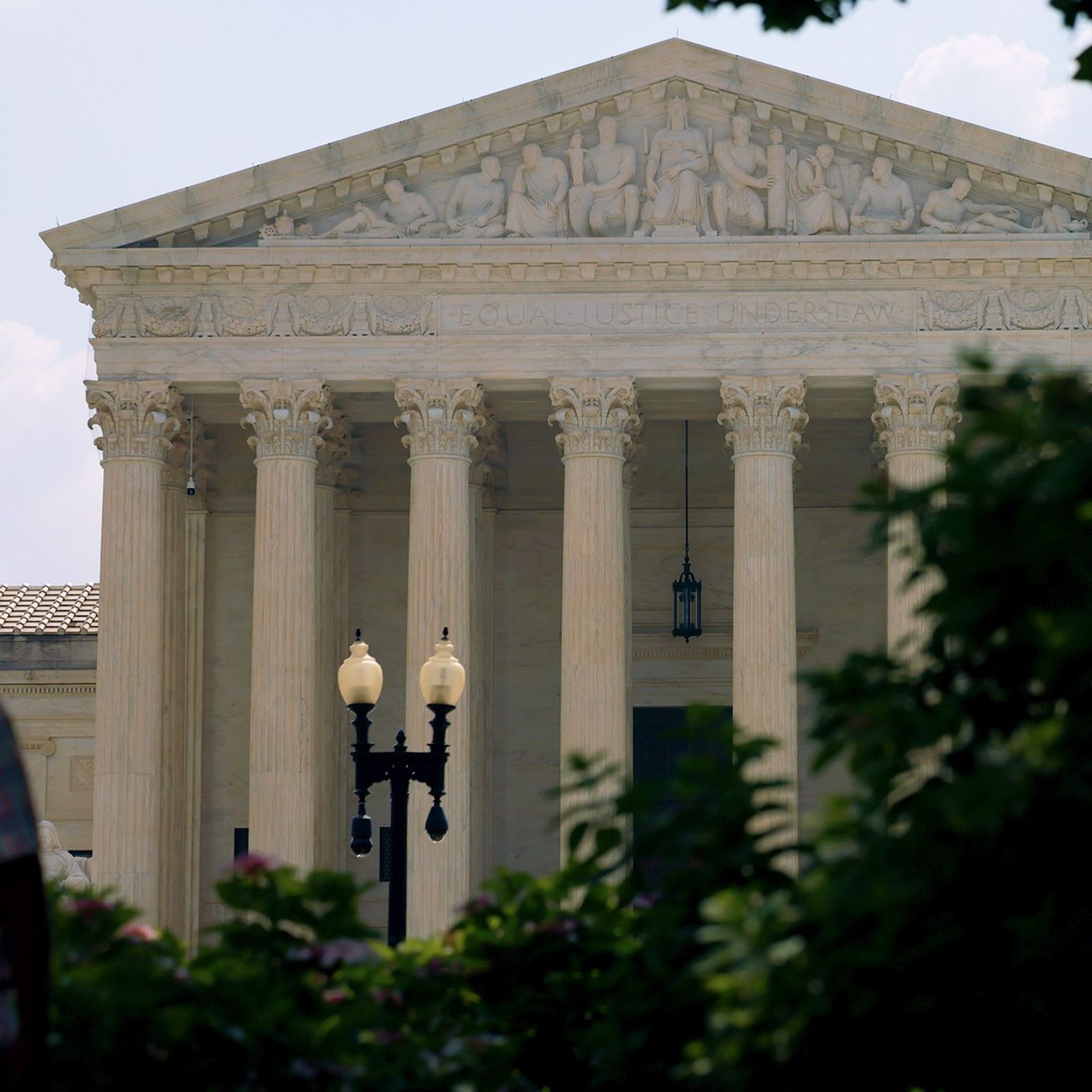
The Supreme Court Expands Presidential Power. Again.
30 июн. 2026 г.25 min<p>The Supreme Court on Monday delivered one of the biggest changes in decades to how the federal government works when it ruled that President Trump could fire independent government regulators. Then, it announced an exception to its own ruling.</p> <p>Ann E. Marimow, who covers the Supreme Court for The New York Times, explains what the court was up to.</p> <p>Guest: <a href="https://www.nytimes.com/by/ann-e-marimow" target="_blank" rel="noopener noreferrer"><strong>Ann E. Marimow</strong></a>, the Supreme Court for The New York Times from Washington.</p> <p>Background reading: </p> <ul> <li><a href="https://www.nytimes.com/2026/06/29/us/politics/supreme-court-independent-regulator-firings.html" target="_blank" rel="noopener noreferrer">The Supreme Court expanded Mr. Trump’s power to fire officials</a> but prevented the removal of Lisa Cook, a Federal Reserve governor.</li> </ul> <p>Photo: Tierney L. Cross for The New York Times</p> <p>For more information on today’s episode, visit <a href="http://nytimes.com/thedaily?smid=pc-thedaily" rel="noopener noreferrer"><strong>nytimes.com/thedaily</strong></a>. Transcripts of each episode will be made available by the next workday. </p> <p><p>Subscribe today at <a href="http://nytimes.com/podcasts">nytimes.com/podcasts</a> or on Apple Podcasts and Spotify. You can also subscribe via your favorite podcast app here <a href="https://www.nytimes.com/activate-access/audio?source=podcatcher">https://www.nytimes.com/activate-access/audio?source=podcatcher</a>. For more podcasts and narrated articles, download The New York Times app at nytimes.com/app.</p></p><br/> <p>Hosted by Simplecast, an AdsWizz company. See <a href="https://pcm.adswizz.com">pcm.adswizz.com</a> for information about our collection and use of personal data for advertising.</p>

Why Everyone Cares About This World Cup
29 июн. 2026 г.38 min<p>Two weeks into the World Cup soccer tournament, it has already broken records. It has had its highest attendance ever, and generated the most goals scored in history.</p> <p>But one of the biggest stories of the tournament is happening off the field as a wave of international visitors encounter America, and Americans encounter them.</p> <p>Tariq Panja, a global sports correspondent at The New York Times, explains the magic and the complexity of this moment.</p> <p>Then, Anna Foley, a producer for “The Daily,” talks to two lifelong fans of the Iranian team who discuss the complexity of national pride in the middle of war.</p> <p>Guest: <a href="https://www.nytimes.com/by/tariq-panja" target="_blank" rel="noopener noreferrer"><strong>Tariq Panja</strong></a>, a global sports correspondent at The New York Times.</p> <p>Background reading: </p> <ul> <li>Iran’s team was eliminated over the weekend, <a href="https://www.nytimes.com/2026/06/28/us/iran-eliminated-world-cup.html" target="_blank" rel="noopener noreferrer">ending a politically charged odyssey</a>.</li> <li><a href="https://www.nytimes.com/2026/06/19/us/boston-scotland-soccer-tartan-army.html" target="_blank" rel="noopener noreferrer">Scottish fans in Boston</a> charmed the locals.</li> </ul> <p>Photo: Kirby Lee/Imagn Images, via Reuters</p> <p>For more information on today’s episode, visit <a href="http://nytimes.com/thedaily?smid=pc-thedaily" rel="noopener noreferrer"><strong>nytimes.com/thedaily</strong></a>. Transcripts of each episode will be made available by the next workday. </p> <p><p>Subscribe today at <a href="http://nytimes.com/podcasts">nytimes.com/podcasts</a> or on Apple Podcasts and Spotify. You can also subscribe via your favorite podcast app here <a href="https://www.nytimes.com/activate-access/audio?source=podcatcher">https://www.nytimes.com/activate-access/audio?source=podcatcher</a>. For more podcasts and narrated articles, download The New York Times app at nytimes.com/app.</p></p><br/> <p>Hosted by Simplecast, an AdsWizz company. See <a href="https://pcm.adswizz.com">pcm.adswizz.com</a> for information about our collection and use of personal data for advertising.</p>
The Last 12 Weeks
28 июн. 2026 г.42 min<p>In 1992, David Wood became El Paso’s most notorious convicted serial killer. He has been on death row ever since. More than 30 years later, his lawyers have just a few months to argue his innocence and stop his execution.</p> <p>This is the first episode of a new five-part series from Serial Productions called “The Last 12 Weeks.” You can find the rest of the series by searching for “The Last 12 Weeks” on your favorite podcast player.</p> <p>To find out about new shows from Serial Productions, and get a look behind the scenes, sign up for our newsletter at: https://www.nytimes.com/newsletters/serial</p> <p>Have a story pitch, a tip, or feedback on our shows? Email us at serialshows@nytimes.com</p> <p> </p> <p><p>Subscribe today at <a href="http://nytimes.com/podcasts">nytimes.com/podcasts</a> or on Apple Podcasts and Spotify. You can also subscribe via your favorite podcast app here <a href="https://www.nytimes.com/activate-access/audio?source=podcatcher">https://www.nytimes.com/activate-access/audio?source=podcatcher</a>. For more podcasts and narrated articles, download The New York Times app at nytimes.com/app.</p></p><br/> <p>Hosted by Simplecast, an AdsWizz company. See <a href="https://pcm.adswizz.com">pcm.adswizz.com</a> for information about our collection and use of personal data for advertising.</p>

Robby Hoffman Will Always Feel Poor, No Matter How Rich She Gets
27 июн. 2026 г.50 min<p>The comedian and actor says class and the way she grew up inform everything about the way she lives now.</p> <ul> <li>Thoughts? Email us at <strong>theinterview@nytimes.com</strong></li> <li>Watch our show on YouTube: <a href="https://www.youtube.com/@theinterviewpodcast" rel="noopener noreferrer"><strong>youtube.com/@TheInterviewPodcast</strong></a></li> <li>For transcripts and more, visit: <a href="https://www.nytimes.com/column/the-interview" rel="noopener noreferrer"><strong>nytimes.com/theinterview</strong></a></li> </ul> <p><br> </p> <p><p>Subscribe today at <a href="http://nytimes.com/podcasts">nytimes.com/podcasts</a> or on Apple Podcasts and Spotify. You can also subscribe via your favorite podcast app here <a href="https://www.nytimes.com/activate-access/audio?source=podcatcher">https://www.nytimes.com/activate-access/audio?source=podcatcher</a>. For more podcasts and narrated articles, download The New York Times app at nytimes.com/app.</p></p><br/> <p>Hosted by Simplecast, an AdsWizz company. See <a href="https://pcm.adswizz.com">pcm.adswizz.com</a> for information about our collection and use of personal data for advertising.</p>
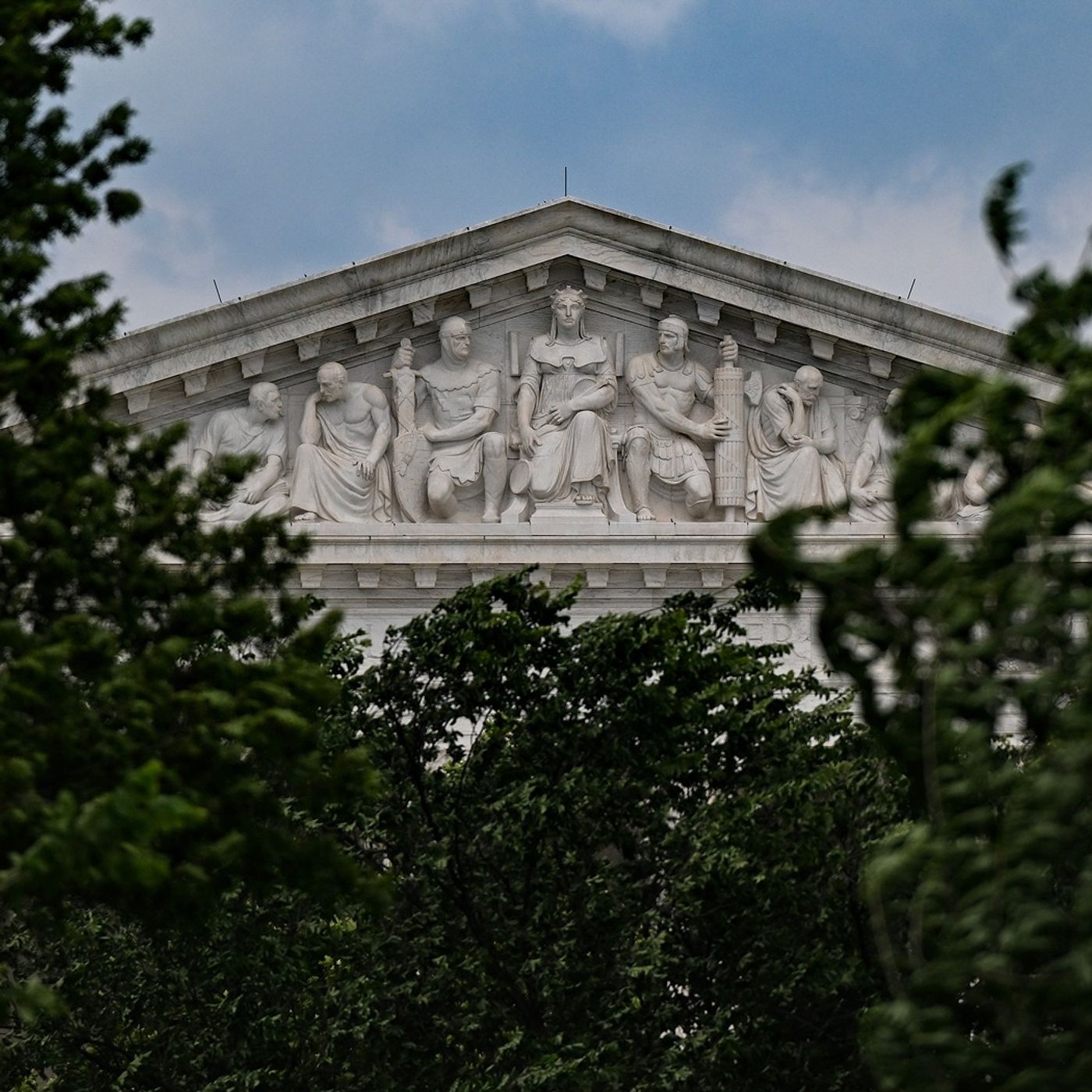
Supreme Court Delivers Big Wins for Trump’s Immigration Agenda
26 июн. 2026 г.26 min<p>The Supreme Court delivered big wins for President Trump’s immigration agenda on Thursday. Two polarized decisions closed off another path to seek legal status in the United States and potentially set the stage for hundreds of thousands of people to be deported.</p> <p>Hamed Aleaziz, who covers immigration policy for The New York Times, explains how these rulings have given Mr. Trump new tools to reshape immigration in America.</p> <p>Guest: <a href="https://www.nytimes.com/by/hamed-aleaziz" target="_blank" rel="noopener noreferrer"><strong>Hamed Aleaziz</strong></a>, who covers the Department of Homeland Security and immigration policy in the United States for The New York Times.</p> <p>Background reading: </p> <ul> <li>The Supreme Court <a href="https://www.nytimes.com/2026/06/25/us/politics/supreme-court-temporary-protected-status.html" target="_blank" rel="noopener noreferrer">expanded Mr. Trump’s power</a> over immigration.</li> </ul> <p>Photo: Kenny Holston/The New York Times</p> <p>For more information on today’s episode, visit <a href="http://nytimes.com/thedaily?smid=pc-thedaily" rel="noopener noreferrer"><strong>nytimes.com/thedaily</strong></a>. Transcripts of each episode will be made available by the next workday. </p> <p><p>Subscribe today at <a href="http://nytimes.com/podcasts">nytimes.com/podcasts</a> or on Apple Podcasts and Spotify. You can also subscribe via your favorite podcast app here <a href="https://www.nytimes.com/activate-access/audio?source=podcatcher">https://www.nytimes.com/activate-access/audio?source=podcatcher</a>. For more podcasts and narrated articles, download The New York Times app at nytimes.com/app.</p></p><br/> <p>Hosted by Simplecast, an AdsWizz company. See <a href="https://pcm.adswizz.com">pcm.adswizz.com</a> for information about our collection and use of personal data for advertising.</p>

Mayor Mamdani Flexes His Power in the Midterms
25 июн. 2026 г.29 min<p>On Tuesday, a blowout in the New York primaries cemented Mayor Zohran Mamdani as a local kingmaker. All of his chosen candidates won, and their victories pointed to a growing movement within the Democratic Party.</p> <p>Nicholas Fandos, who covers New York politics for The New York Times, explains whether their victories will help Democrats in the midterms.</p> <p>Guest: <a href="https://www.nytimes.com/by/nicholas-fandos" target="_blank" rel="noopener noreferrer"><strong>Nicholas Fandos</strong></a>, a reporter covering New York politics and government for The New York Times.</p> <p>Background reading: </p> <ul> <li>Mr. Mamdani shook the Democratic establishment <a href="https://www.nytimes.com/2026/06/24/nyregion/mamdani-politics-influence.html" target="_blank" rel="noopener noreferrer">by helping drive three progressive candidates to victory</a>.</li> <li><a href="https://www.nytimes.com/2026/06/24/nyregion/democrats-unions-primaries-nyc.html" target="_blank" rel="noopener noreferrer">Here’s why</a> New York’s Democratic establishment fell to Team Mamdani.</li> </ul> <p>Photo: Lexi Parra/The New York Times</p> <p>For more information on today’s episode, visit <a href="http://nytimes.com/thedaily?smid=pc-thedaily" rel="noopener noreferrer"><strong>nytimes.com/thedaily</strong></a>. Transcripts of each episode will be made available by the next workday. </p> <p><p>Subscribe today at <a href="http://nytimes.com/podcasts">nytimes.com/podcasts</a> or on Apple Podcasts and Spotify. You can also subscribe via your favorite podcast app here <a href="https://www.nytimes.com/activate-access/audio?source=podcatcher">https://www.nytimes.com/activate-access/audio?source=podcatcher</a>. For more podcasts and narrated articles, download The New York Times app at nytimes.com/app.</p></p><br/> <p>Hosted by Simplecast, an AdsWizz company. See <a href="https://pcm.adswizz.com">pcm.adswizz.com</a> for information about our collection and use of personal data for advertising.</p>

How the Iran Deal Is Testing the U.S.-Israel Alliance
24 июн. 2026 г.30 min<p>As the United States and Iran try to reach a lasting end to the war, a major hurdle has emerged: the volatile conflict in Lebanon. President Trump needs Israel to stop attacking Hezbollah there to get Iran to agree to a deal.</p> <p>The New York Times reporters Ronen Bergman and Mark Mazzetti discuss the growing tensions between the United States and Israel.</p> <p>Guest:</p> <ul> <li><a href="https://www.nytimes.com/by/ronen-bergman" target="_blank" rel="noopener noreferrer"><strong>Ronen Bergman</strong></a>, a staff writer for The New York Times Magazine based in Tel Aviv.</li> <li><a href="https://www.nytimes.com/by/mark-mazzetti" target="_blank" rel="noopener noreferrer"><strong>Mark Mazzetti</strong></a>, an investigative reporter for The New York Times based in Washington focusing on national security.</li> </ul> <p>Background reading: </p> <ul> <li>Analysis: The conflict in Lebanon has become <a href="https://www.nytimes.com/2026/06/19/world/middleeast/lebanon-us-iran-deal-ceasefire.html" target="_blank" rel="noopener noreferrer">one of the main obstacles</a> to ending the American-Israeli war on Iran.</li> <li><a href="https://www.nytimes.com/2026/06/18/world/middleeast/vance-israel-critics-us-iran-deal.html" target="_blank" rel="noopener noreferrer">Vice President JD Vance lashed out at Israeli critics</a> of a U.S.-Iran agreement.</li> </ul> <p>Photo: David Guttenfelder/The New York Times</p> <p>For more information on today’s episode, visit <a href="http://nytimes.com/thedaily?smid=pc-thedaily" rel="noopener noreferrer"><strong>nytimes.com/thedaily</strong></a>. Transcripts of each episode will be made available by the next workday. </p> <p><p>Subscribe today at <a href="http://nytimes.com/podcasts">nytimes.com/podcasts</a> or on Apple Podcasts and Spotify. You can also subscribe via your favorite podcast app here <a href="https://www.nytimes.com/activate-access/audio?source=podcatcher">https://www.nytimes.com/activate-access/audio?source=podcatcher</a>. For more podcasts and narrated articles, download The New York Times app at nytimes.com/app.</p></p><br/> <p>Hosted by Simplecast, an AdsWizz company. See <a href="https://pcm.adswizz.com">pcm.adswizz.com</a> for information about our collection and use of personal data for advertising.</p>
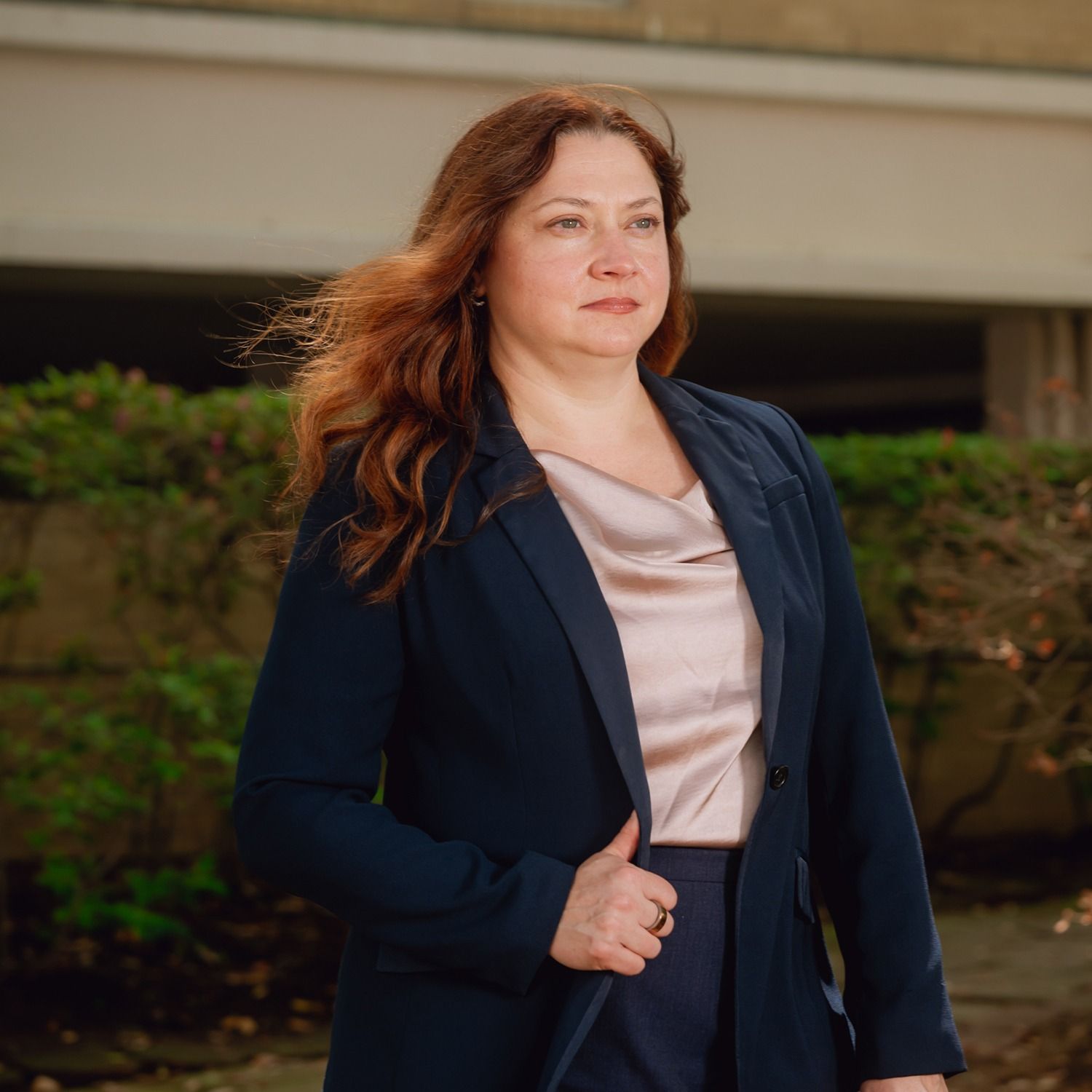
As Trump Purges Immigration Judges, One Speaks Out
23 июн. 2026 г.36 min<p>Through his second term, President Trump has systematically pressured judges to carry out his agenda in a little-known court system that oversees immigration.</p> <p>Nicholas Nehamas, a Washington correspondent for The New York Times, speaks to Judge Holly D’Andrea about the Trump administration’s efforts to speed up deportations.</p> <p>Guest:</p> <ul> <li><a href="https://www.nytimes.com/by/nicholas-nehamas" target="_blank" rel="noopener noreferrer"><strong>Nicholas Nehamas</strong></a>, a Washington correspondent for The New York Times.</li> <li><strong>Holly D’Andrea</strong>, an immigration judge and president of the National Association of Immigration Judges.</li> </ul> <p>Background reading: </p> <ul> <li>How <a href="https://www.nytimes.com/2026/04/09/us/politics/trump-miller-immigration-judges-purge.html" target="_blank" rel="noopener noreferrer">Mr. Trump purged immigration judges</a> to speed up deportations.</li> </ul> <p>Photo: Desiree Rios for The New York Times</p> <p>For more information on today’s episode, visit <a href="http://nytimes.com/thedaily?smid=pc-thedaily" rel="noopener noreferrer"><strong>nytimes.com/thedaily</strong></a>. Transcripts of each episode will be made available by the next workday. </p> <p><p>Subscribe today at <a href="http://nytimes.com/podcasts">nytimes.com/podcasts</a> or on Apple Podcasts and Spotify. You can also subscribe via your favorite podcast app here <a href="https://www.nytimes.com/activate-access/audio?source=podcatcher">https://www.nytimes.com/activate-access/audio?source=podcatcher</a>. For more podcasts and narrated articles, download The New York Times app at nytimes.com/app.</p></p><br/> <p>Hosted by Simplecast, an AdsWizz company. See <a href="https://pcm.adswizz.com">pcm.adswizz.com</a> for information about our collection and use of personal data for advertising.</p>

R.F.K. Jr.’s Newest Mission: Getting Us Off Antidepressants
22 июн. 2026 г.32 min<p>In his latest public health crusade, Robert F. Kennedy Jr., the health secretary, is asking why millions of Americans have been taking psychiatric drugs for far longer than ever intended.</p> <p>In the process, he’s highlighting an open secret in medicine: that doctors are better at starting drug treatments than at stopping them, and that patients who want to end their treatment are increasingly taking matters into their own hands.</p> <p>Ellen Barry, a mental health reporter, takes us inside the growing movement to “deprescribe.”</p> <p>Guest: <a href="https://www.nytimes.com/by/ellen-barry" target="_blank" rel="noopener noreferrer"><strong>Ellen Barry</strong></a>, a reporter covering mental health for The New York Times.</p> <p>Background reading: Some psychiatrists fear that Mr. Kennedy’s call to rein in the use of depression medications will <a href="https://www.nytimes.com/2026/05/24/science/rfk-jr-antidepressants-ssri-psychiatry.html" target="_blank" rel="noopener noreferrer">drive patients away from care.</a></p> <p>Photo: Darren Staples/Reuters</p> <p>For more information on today’s episode, visit <a href="http://nytimes.com/thedaily?smid=pc-thedaily" rel="noopener noreferrer">nytimes.com/thedaily</a>. Transcripts of each episode will be made available by the next workday. </p> <p><p>Subscribe today at <a href="http://nytimes.com/podcasts">nytimes.com/podcasts</a> or on Apple Podcasts and Spotify. You can also subscribe via your favorite podcast app here <a href="https://www.nytimes.com/activate-access/audio?source=podcatcher">https://www.nytimes.com/activate-access/audio?source=podcatcher</a>. For more podcasts and narrated articles, download The New York Times app at nytimes.com/app.</p></p><br/> <p>Hosted by Simplecast, an AdsWizz company. See <a href="https://pcm.adswizz.com">pcm.adswizz.com</a> for information about our collection and use of personal data for advertising.</p>
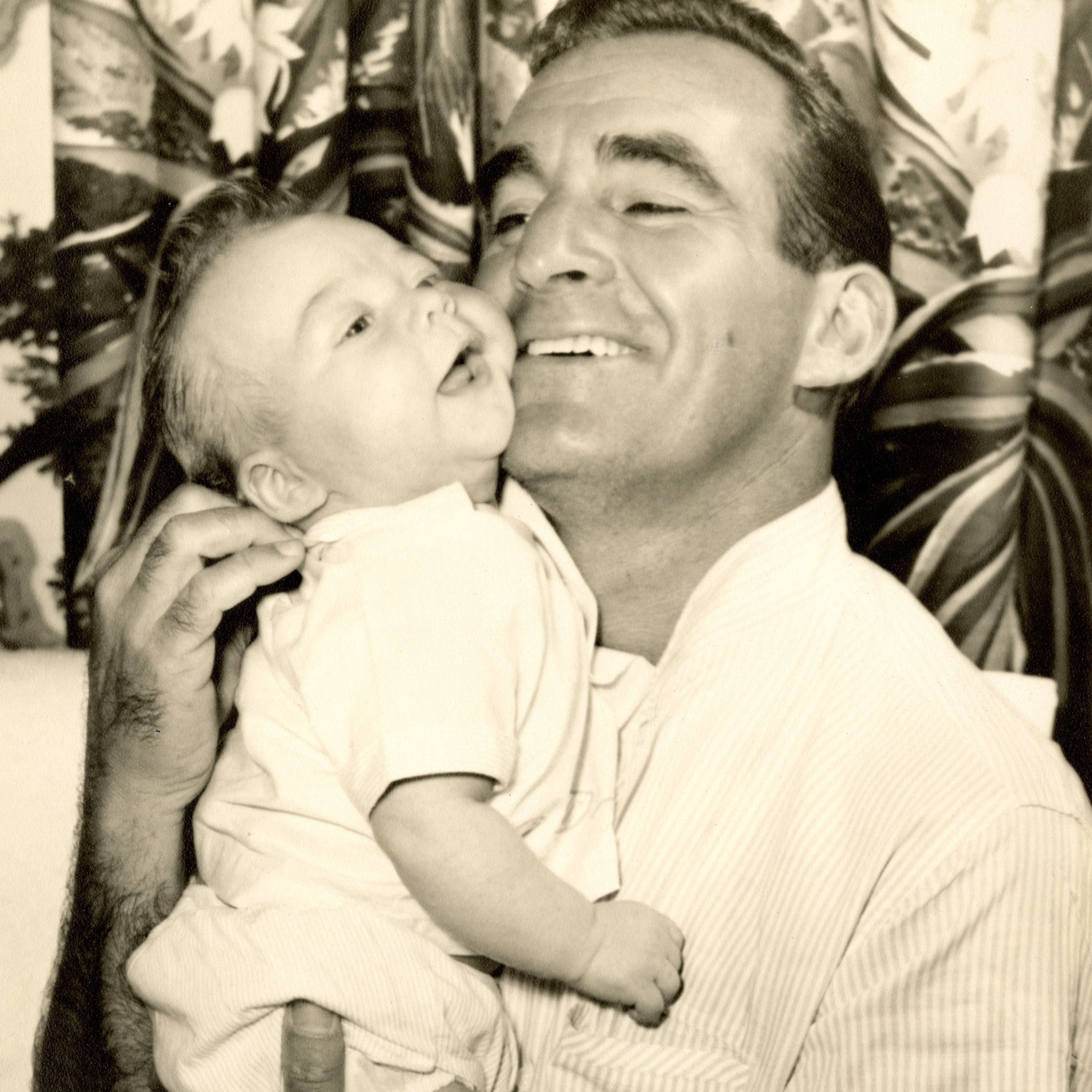
Can a Bad Man Be a Good Father?
21 июн. 2026 г.47 min<p>The writer Tom Junod has spent a career crafting profiles for men’s magazines like GQ and Esquire, often of famously complicated men like Norman Mailer, Kevin Spacey and Tony Curtis.</p> <p>But another man loomed behind Junod’s interest in these figures, informing his own sense of masculinity and manhood: his father, Lou.</p> <p>Lou Junod was handsome, charismatic — a man who seemed like a celebrity, even though he wasn’t famous. He was also mysterious, a keeper of secrets that have continued to reverberate through his son’s life.</p> <p>On today’s episode, Michael Barbaro talks with Junod about his new book, “<a href="https://www.nytimes.com/2026/03/11/books/review/in-the-days-of-my-youth-i-was-told-what-it-means-to-be-a-man-tom-junod.html" target="_blank" rel="noopener noreferrer">In the Days of My Youth I Was Told What It Means to Be a Man,</a>” which is part memoir and part detective story, as well as a powerful meditation on fatherhood.</p> <p><strong>On Today’s Episode:</strong></p> <p><strong>Tom Junod</strong> is the author of <a href="https://www.penguinrandomhouse.com/books/89092/in-the-days-of-my-youth-i-was-told-what-it-means-to-be-a-man-by-tom-junod/" target="_blank" rel="noopener noreferrer">“In the Days of My Youth I Was Told What It Means to Be a Man.”</a></p> <p><strong>Background Reading:</strong></p> <p><a href="https://www.nytimes.com/2026/03/06/style/tom-junod-would-like-to-tell-you-about-his-father.html" target="_blank" rel="noopener noreferrer">Tom Junod Would Like to Tell You About His Father</a></p> <p>Art: Lou Junod with baby Tom in 1958.</p> <p><p>Subscribe today at <a href="http://nytimes.com/podcasts">nytimes.com/podcasts</a> or on Apple Podcasts and Spotify. You can also subscribe via your favorite podcast app here <a href="https://www.nytimes.com/activate-access/audio?source=podcatcher">https://www.nytimes.com/activate-access/audio?source=podcatcher</a>. For more podcasts and narrated articles, download The New York Times app at nytimes.com/app.</p></p><br/> <p>Hosted by Simplecast, an AdsWizz company. See <a href="https://pcm.adswizz.com">pcm.adswizz.com</a> for information about our collection and use of personal data for advertising.</p>

Danny McBride Thinks Men Learned All the Wrong Lessons From Movies
20 июн. 2026 г.38 min<p>The writer and actor, known for his profane comedic antiheroes, likes to find universal truths in human flaws.</p> <p><p>Subscribe today at <a href="http://nytimes.com/podcasts">nytimes.com/podcasts</a> or on Apple Podcasts and Spotify. You can also subscribe via your favorite podcast app here <a href="https://www.nytimes.com/activate-access/audio?source=podcatcher">https://www.nytimes.com/activate-access/audio?source=podcatcher</a>. For more podcasts and narrated articles, download The New York Times app at nytimes.com/app.</p></p><br/> <p>Hosted by Simplecast, an AdsWizz company. See <a href="https://pcm.adswizz.com">pcm.adswizz.com</a> for information about our collection and use of personal data for advertising.</p>

Did Iran Come Out on Top in the Peace Deal?
19 июн. 2026 г.33 min<p>After three months of war, Iran and the United States have agreed to end the conflict and reopen the Strait of Hormuz. The news, which was first met with joy and relief, drew a wave of criticism when the actual terms of the agreement became public this week.</p> <p>David Sanger, a White House and national security correspondent for The New York Times, explains how the Trump administration has defended the deal, which seems to favor Iran.</p> <p>Guest: <a href="https://www.nytimes.com/by/david-e-sanger" target="_blank" rel="noopener noreferrer"><strong>David E. Sanger</strong></a>, a White House and national security correspondent for The New York Times.</p> <p>Background reading: </p> <ul> <li>The U.S.-Iran deal, which left many of the toughest issues to future negotiations, came after <a href="https://www.nytimes.com/2026/06/17/us/politics/us-iran-deal-trump.html" target="_blank" rel="noopener noreferrer">a last-minute scramble.</a></li> <li>President Trump <a href="https://www.nytimes.com/2026/06/17/world/middleeast/trump-iran-deal-obama.html" target="_blank" rel="noopener noreferrer">lashed out at critics of the agreement</a> and threatened to bomb Iran again if it violated the deal.</li> </ul> <p>Photo: Arash Khamooshi/Polaris for The New York Times</p> <p>For more information on today’s episode, visit <a href="http://nytimes.com/thedaily?smid=pc-thedaily" rel="noopener noreferrer">nytimes.com/thedaily</a>. Transcripts of each episode will be made available by the next workday. </p> <p><p>Subscribe today at <a href="http://nytimes.com/podcasts">nytimes.com/podcasts</a> or on Apple Podcasts and Spotify. You can also subscribe via your favorite podcast app here <a href="https://www.nytimes.com/activate-access/audio?source=podcatcher">https://www.nytimes.com/activate-access/audio?source=podcatcher</a>. For more podcasts and narrated articles, download The New York Times app at nytimes.com/app.</p></p><br/> <p>Hosted by Simplecast, an AdsWizz company. See <a href="https://pcm.adswizz.com">pcm.adswizz.com</a> for information about our collection and use of personal data for advertising.</p>
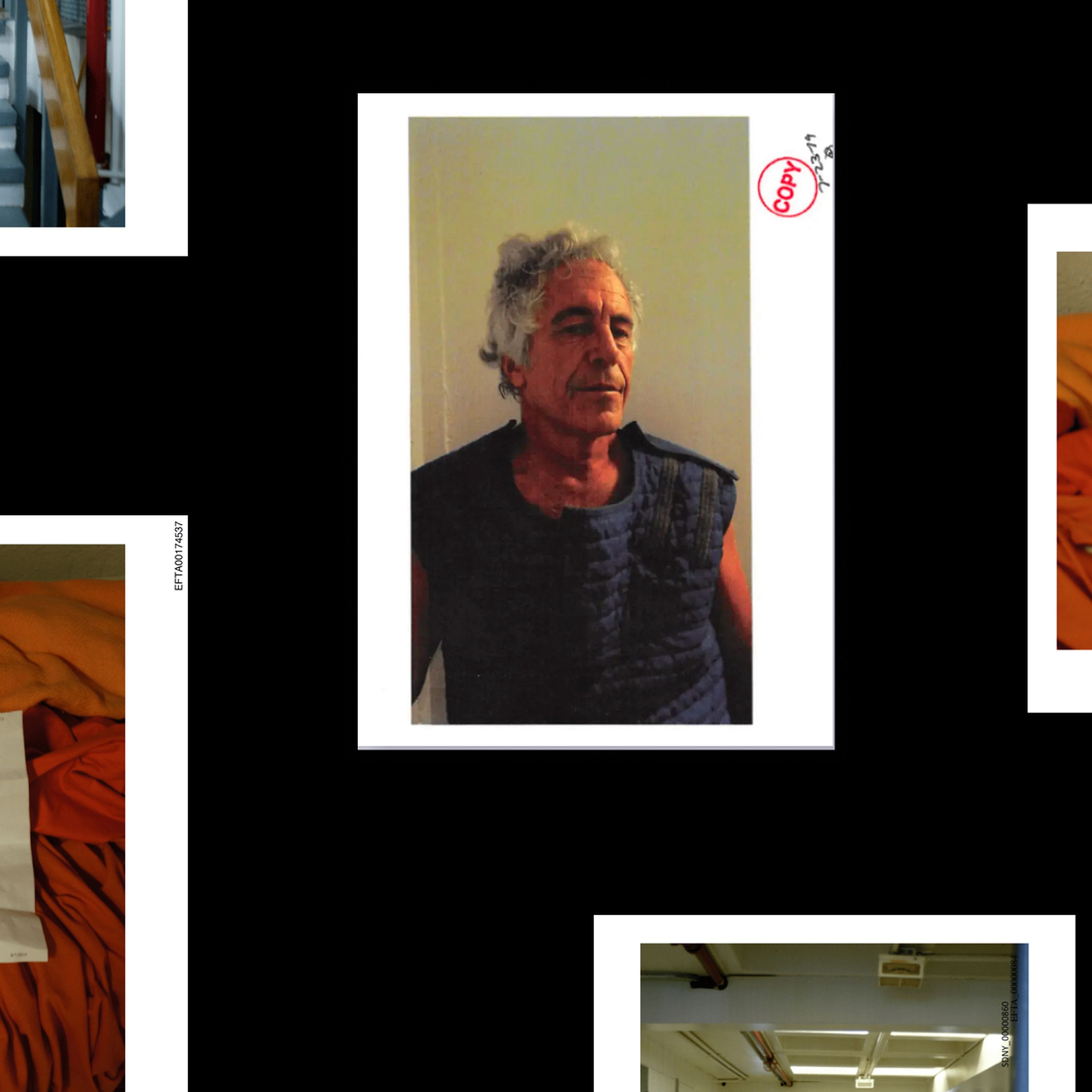
The Untold Story of Jeffrey Epstein’s Death
18 июн. 2026 г.41 min<p><i>Warning: This episode discusses suicide.</i></p> <p>Hours after Jeffrey Epstein arrived at the Metropolitan Correctional Center in Manhattan, an employee expressed concern over his distraught state, saying in an email to the jail staff, “just to be on the safe side and prevent any suicidal thoughts can someone from Psychology come and talk with him.”</p> <p>The reporter Charles Homans details The New York Times’s major new investigation, which tries to answer the question: Did the world’s most powerful and well-connected sex offender die by his own hand or by somebody else’s?</p> <p><i>If you are having thoughts of suicide, call or text 988 to reach the 988 Suicide and Crisis Lifeline, or go to </i><a href="http://speakingofsuicide.com/resources" target="_blank" rel="noopener noreferrer"><i>SpeakingOfSuicide.com/resources</i></a><i> for a list of additional resources.</i></p> <p>Guest: <a href="https://www.nytimes.com/by/charles-homans" target="_blank" rel="noopener noreferrer"><strong>Charles Homans</strong></a>, a reporter covering national politics for The New York Times and The Times Magazine.</p> <p>Background reading: Congressional action made possible the fullest examination of Epstein’s death, and <a href="https://www.nytimes.com/interactive/2026/06/16/magazine/jeffrey-epstein-death-final-days.html" target="_blank" rel="noopener noreferrer">The New York Times set out</a> to do it.</p> <p>Photo: The New York Times</p> <p>For more information on today’s episode, visit <a href="http://nytimes.com/thedaily?smid=pc-thedaily" rel="noopener noreferrer">nytimes.com/thedaily</a>. Transcripts of each episode will be made available by the next workday. </p> <p><p>Subscribe today at <a href="http://nytimes.com/podcasts">nytimes.com/podcasts</a> or on Apple Podcasts and Spotify. You can also subscribe via your favorite podcast app here <a href="https://www.nytimes.com/activate-access/audio?source=podcatcher">https://www.nytimes.com/activate-access/audio?source=podcatcher</a>. For more podcasts and narrated articles, download The New York Times app at nytimes.com/app.</p></p><br/> <p>Hosted by Simplecast, an AdsWizz company. See <a href="https://pcm.adswizz.com">pcm.adswizz.com</a> for information about our collection and use of personal data for advertising.</p>
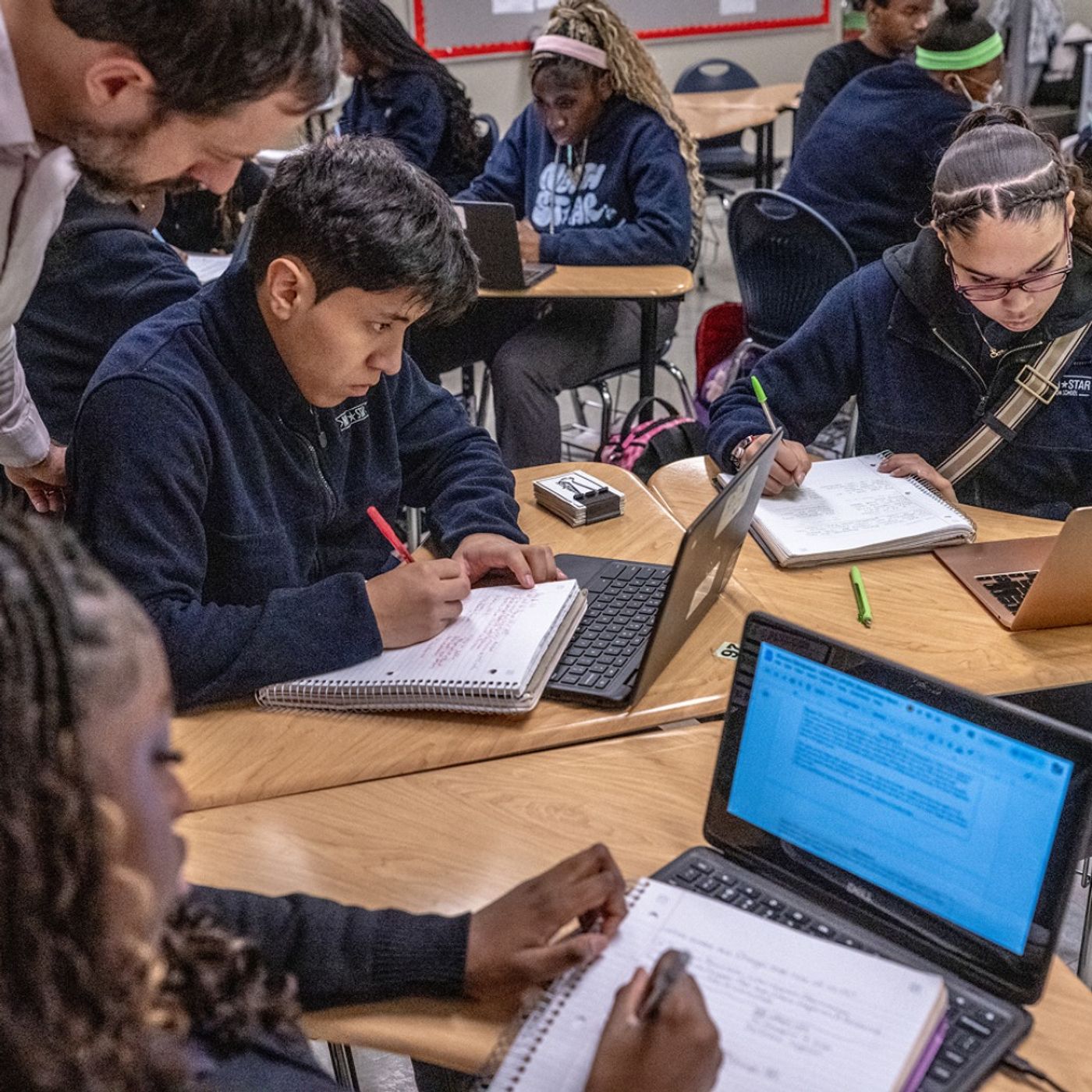
The Battle Over A.I. in the Classroom
17 июн. 2026 г.32 min<p>With the school year ending, all over the country educators and parents are taking stock of the drastic shift caused by artificial intelligence in the classroom.</p> <p>Today, Natasha Singer, a technology reporter, discusses the year that reshaped American classrooms and how one dedicated teacher helped his students chart their own path into an uncertain future.</p> <p>Guest: <a href="https://www.nytimes.com/by/natasha-singer" target="_blank" rel="noopener noreferrer"><strong>Natasha Singer</strong></a>, a technology reporter for The New York Times.</p> <p>Background reading: </p> <ul> <li>Teachers say they want to <a href="https://www.nytimes.com/2026/02/23/technology/ai-literacy-newark-school-chatbots.html" target="_blank" rel="noopener noreferrer">equip high school students to drive A.I.</a>, rather than be mere passengers steered by chatbots.</li> <li>A.I. companies are urging <a href="https://www.nytimes.com/2026/02/23/business/ai-literacy-faq.html" target="_blank" rel="noopener noreferrer">teachers to prepare students for an “A.I.-driven future.”</a></li> <li>The <a href="https://www.nytimes.com/2026/05/27/technology/ai-screens-schools-weingarten.html" target="_blank" rel="noopener noreferrer">American Federation of Teachers recommended</a> “no screens” at all for those in second grade or younger, and no A.I. chatbots for students in elementary school.</li> </ul> <p>Photo: Juan Arredondo for The New York Times</p> <p>For more information on today’s episode, visit <a href="http://nytimes.com/thedaily?smid=pc-thedaily" rel="noopener noreferrer">nytimes.com/thedaily</a>. Transcripts of each episode will be made available by the next workday. </p> <p><p>Subscribe today at <a href="http://nytimes.com/podcasts">nytimes.com/podcasts</a> or on Apple Podcasts and Spotify. You can also subscribe via your favorite podcast app here <a href="https://www.nytimes.com/activate-access/audio?source=podcatcher">https://www.nytimes.com/activate-access/audio?source=podcatcher</a>. For more podcasts and narrated articles, download The New York Times app at nytimes.com/app.</p></p><br/> <p>Hosted by Simplecast, an AdsWizz company. See <a href="https://pcm.adswizz.com">pcm.adswizz.com</a> for information about our collection and use of personal data for advertising.</p>
A Gen Z Revolution at the Movies
16 июн. 2026 г.29 min<p>For years, Hollywood has been trying to figure out how to get young people into movie theaters. This spring, it has happened at an unthinkable scale thanks to two low-budget horror films made by 20-something directors.</p> <p>Today my colleague Kyle Buchanan explains what younger audiences see in these films and how they’ve energized an entire industry.</p> <p>Guest: <a href="https://www.nytimes.com/by/kyle-buchanan" target="_blank" rel="noopener noreferrer"><strong>Kyle Buchanan</strong></a>, a pop culture reporter and awards season columnist for The New York Times.</p> <p>Background reading: The viral creator Kane Parsons, who directed “Backrooms,” has gone from <a href="https://www.nytimes.com/2026/05/29/movies/kane-parsons-24-youngest-director-backrooms.html" target="_blank" rel="noopener noreferrer">YouTube sensation to A24’s youngest director.</a></p> <p>Photo: Focus Features</p> <p>For more information on today’s episode, visit <a href="http://nytimes.com/thedaily?smid=pc-thedaily" rel="noopener noreferrer">nytimes.com/thedaily</a>. Transcripts of each episode will be made available by the next workday. </p> <p><p>Subscribe today at <a href="http://nytimes.com/podcasts">nytimes.com/podcasts</a> or on Apple Podcasts and Spotify. You can also subscribe via your favorite podcast app here <a href="https://www.nytimes.com/activate-access/audio?source=podcatcher">https://www.nytimes.com/activate-access/audio?source=podcatcher</a>. For more podcasts and narrated articles, download The New York Times app at nytimes.com/app.</p></p><br/> <p>Hosted by Simplecast, an AdsWizz company. See <a href="https://pcm.adswizz.com">pcm.adswizz.com</a> for information about our collection and use of personal data for advertising.</p>

Inside Trump’s New Deal With Iran
15 июн. 2026 г.21 min<p>After days of promising that a cease-fire was near, President Trump announced late Sunday that he had reached a deal with Iran.</p> <p>Today, David Sanger, who spoke to the president, explains what is and is not included in the framework agreement, and how much closer it gets both sides to ending the war for good.</p> <p>Guest: <a href="https://www.nytimes.com/by/david-e-sanger" target="_blank" rel="noopener noreferrer"><strong>David E. Sanger</strong></a><a href="https://www.nytimes.com/by/kyle-buchanan" target="_blank" rel="noopener noreferrer">,</a> the White House and national security correspondent for The New York Times.</p> <p>Background reading: </p> <ul> <li>Mr. Trump says the <a href="https://www.nytimes.com/2026/06/14/us/politics/trump-iran-deal-strait-of-hormuz.html" target="_blank" rel="noopener noreferrer">Strait of Hormuz will be “permanently toll-free”</a> under the agreement with Iran.</li> <li>Washington and Tehran reach <a href="https://www.nytimes.com/live/2026/06/15/world/iran-war-trump-us-deal" target="_blank" rel="noopener noreferrer">a framework for peace</a>.</li> </ul> <p>Photo: Arash Khamooshi/Polaris for The New York Times</p> <p>For more information on today’s episode, visit <a href="http://nytimes.com/thedaily?smid=pc-thedaily" rel="noopener noreferrer">nytimes.com/thedaily</a>. Transcripts of each episode will be made available by the next workday. </p> <p><p>Subscribe today at <a href="http://nytimes.com/podcasts">nytimes.com/podcasts</a> or on Apple Podcasts and Spotify. You can also subscribe via your favorite podcast app here <a href="https://www.nytimes.com/activate-access/audio?source=podcatcher">https://www.nytimes.com/activate-access/audio?source=podcatcher</a>. For more podcasts and narrated articles, download The New York Times app at nytimes.com/app.</p></p><br/> <p>Hosted by Simplecast, an AdsWizz company. See <a href="https://pcm.adswizz.com">pcm.adswizz.com</a> for information about our collection and use of personal data for advertising.</p>

Do Aliens Exist? Steven Spielberg Believes They Do
14 июн. 2026 г.39 min<p>Almost 50 years ago, Steven Spielberg directed “Close Encounters of the Third Kind,” the story of an average man who discovers that humanity may not be alone in the universe. Over the decades, Spielberg has directed several movies about what would happen if humanity made contact with aliens. Would the aliens be kind like the title character in “E.T. the Extra Terrestrial”? Would they be cruel like the murderous aliens of “War of the Worlds”? And regardless of what the aliens were like, would we humans be ready to receive them?</p> <p>Spielberg returns to the question of whether we’re alone in the universe, and what it might mean if we’re not, with his new film “Disclosure Day.” Today, he sits down with Rachel Abrams, a host of “The Daily,” to talk about the film, and about what he has learned over five decades of making movies about aliens.</p> <p> </p> <p><strong>On Today’s Episode</strong></p> <p>Steven Spielberg, director of “Disclosure Day.”</p> <p> </p> <p><strong>Background Reading</strong></p> <p><a href="https://www.nytimes.com/2026/06/11/movies/disclosure-day-review-steven-spielberg.html" target="_blank" rel="noopener noreferrer">‘Disclosure Day’ Review: Spielberg Plays His Greatest Cosmic Hits</a></p> <p><a href="https://www.nytimes.com/2026/06/07/magazine/steven-spielberg-movie-theater-disclosure-day.html" target="_blank" rel="noopener noreferrer">What Steven Spielberg Taught Me About Fear, Catharsis, and Being Human</a></p> <p> </p> <p><strong>Photo credit: </strong>Paolo Pellegrin/Magnum, for The New York Times</p> <p><p>Subscribe today at <a href="http://nytimes.com/podcasts">nytimes.com/podcasts</a> or on Apple Podcasts and Spotify. You can also subscribe via your favorite podcast app here <a href="https://www.nytimes.com/activate-access/audio?source=podcatcher">https://www.nytimes.com/activate-access/audio?source=podcatcher</a>. For more podcasts and narrated articles, download The New York Times app at nytimes.com/app.</p></p><br/> <p>Hosted by Simplecast, an AdsWizz company. See <a href="https://pcm.adswizz.com">pcm.adswizz.com</a> for information about our collection and use of personal data for advertising.</p>

Seth Rogen Knows the Secret to Marriage — and Being Rich in Hollywood
13 июн. 2026 г.1h 16m<p>The actor-writer-director-producer on successful relationships (platonic and romantic), Hollywood’s volatility and his role in normalizing weed.</p> <ul> <li>Thoughts? Email us at <strong>theinterview@nytimes.com</strong></li> <li>Watch our show on YouTube: <a href="https://www.youtube.com/@theinterviewpodcast" rel="noopener noreferrer"><strong>youtube.com/@TheInterviewPodcast</strong></a></li> <li>For transcripts and more, visit: <a href="https://www.nytimes.com/column/the-interview" rel="noopener noreferrer"><strong>nytimes.com/theinterview</strong></a></li> </ul> <p><p>Subscribe today at <a href="http://nytimes.com/podcasts">nytimes.com/podcasts</a> or on Apple Podcasts and Spotify. You can also subscribe via your favorite podcast app here <a href="https://www.nytimes.com/activate-access/audio?source=podcatcher">https://www.nytimes.com/activate-access/audio?source=podcatcher</a>. For more podcasts and narrated articles, download The New York Times app at nytimes.com/app.</p></p><br/> <p>Hosted by Simplecast, an AdsWizz company. See <a href="https://pcm.adswizz.com">pcm.adswizz.com</a> for information about our collection and use of personal data for advertising.</p>
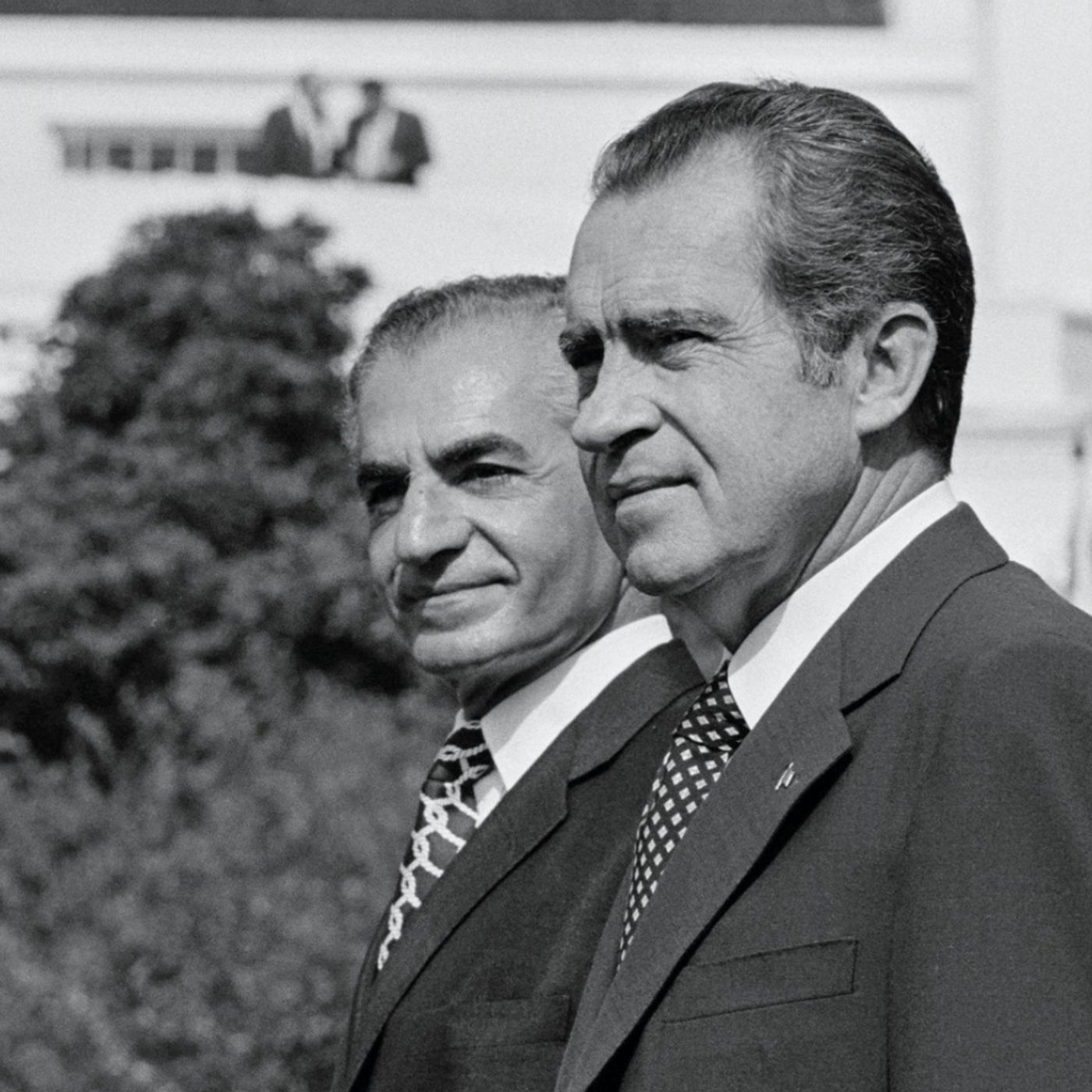
1979: How the U.S. and Iran Went From Allies to Enemies
12 июн. 2026 г.50 min<p>At the heart of the current U.S. war against Iran is an inconvenient truth: that the United States is, in many ways, responsible for creating the very regime it now seeks to topple.</p> <p>Today, Scott Anderson, a New York Times Magazine contributor, tells the story of America’s outsize role in the Islamic Revolution, and why all these years later we’re still no closer to understanding Iran.</p> <p>Guest: <a href="https://www.nytimes.com/by/scott-anderson" target="_blank" rel="noopener noreferrer"><strong>Scott Anderson</strong></a>, a contributing writer for The New York Times Magazine.</p> <p>Background reading: It has been a trying time <a href="https://www.nytimes.com/2026/02/04/opinion/iran-protests-death-toll.html" target="_blank" rel="noopener noreferrer">for the Islamic republic of Iran</a>.</p> <p>Photo: George Tames/The New York Times</p> <p>For more information on today’s episode, visit <a href="http://nytimes.com/thedaily?smid=pc-thedaily" rel="noopener noreferrer">nytimes.com/thedaily</a>. Transcripts of each episode will be made available by the next workday. </p> <p><p>Subscribe today at <a href="http://nytimes.com/podcasts">nytimes.com/podcasts</a> or on Apple Podcasts and Spotify. You can also subscribe via your favorite podcast app here <a href="https://www.nytimes.com/activate-access/audio?source=podcatcher">https://www.nytimes.com/activate-access/audio?source=podcatcher</a>. For more podcasts and narrated articles, download The New York Times app at nytimes.com/app.</p></p><br/> <p>Hosted by Simplecast, an AdsWizz company. See <a href="https://pcm.adswizz.com">pcm.adswizz.com</a> for information about our collection and use of personal data for advertising.</p>

The Young Economic Populists Reshaping the Left
11 июн. 2026 г.37 min<p>College graduates used to lean right politically, but over the past few decades, they have increasingly moved to the left.</p> <p>Today, Noam Scheiber, the author of “Mutiny: The Rise and Revolt of the College-Educated Working Class,” explains the economic forces that have left many college grads deeply indebted, underpaid and angry, and also how their unmet expectations are reshaping class politics in America.</p> <p>Guest: <a href="https://www.nytimes.com/by/noam-scheiber" target="_blank" rel="noopener noreferrer"><strong>Noam Scheiber</strong></a>, a reporter for The New York Times based in the Chicago area who focuses on white-collar workers.</p> <p>Background reading: <a href="https://www.nytimes.com/2026/03/27/business/college-graduates-economy-unemployment-.html" target="_blank" rel="noopener noreferrer">College graduates feel betrayed,</a> and<i><strong> </strong></i>their anger goes far beyond the recent rise of unemployment and the looming threat of artificial intelligence.</p> <p>Photo: Camille Farrah Lenain for The New York Times</p> <p>For more information on today’s episode, visit <a href="http://nytimes.com/thedaily?smid=pc-thedaily" rel="noopener noreferrer">nytimes.com/thedaily</a>. Transcripts of each episode will be made available by the next workday.</p> <p><p>Subscribe today at <a href="http://nytimes.com/podcasts">nytimes.com/podcasts</a> or on Apple Podcasts and Spotify. You can also subscribe via your favorite podcast app here <a href="https://www.nytimes.com/activate-access/audio?source=podcatcher">https://www.nytimes.com/activate-access/audio?source=podcatcher</a>. For more podcasts and narrated articles, download The New York Times app at nytimes.com/app.</p></p><br/> <p>Hosted by Simplecast, an AdsWizz company. See <a href="https://pcm.adswizz.com">pcm.adswizz.com</a> for information about our collection and use of personal data for advertising.</p>

The Iran War's Devastating Butterfly Effect
10 июн. 2026 г.27 min<p>The war in Iran has had some visible consequences, like skyrocketing energy costs and higher gas prices, but the effects of this war are often far less obvious and much more serious for the world’s most vulnerable people.</p> <p>Today, Peter S. Goodman tells us what he learned on a recent trip to Somalia, and why the system of global aid is no longer in a position to help.</p> <p>Guest: <a href="https://www.nytimes.com/by/peter-s-goodman" target="_blank" rel="noopener noreferrer"><strong>Peter S. Goodman</strong></a> covers the global economy for The New York Times.</p> <p>Background reading: <a href="https://www.nytimes.com/2026/05/18/business/iran-war-somalia-usaid.html" target="_blank" rel="noopener noreferrer">Catastrophe is emerging in the world’s most vulnerable places</a> as the war in Iran causes soaring costs for food, fuel and fertilizer.</p> <p>Photo: Finbarr O'Reilly for The New York Times</p> <p>For more information on today’s episode, visit <a href="http://nytimes.com/thedaily?smid=pc-thedaily" rel="noopener noreferrer">nytimes.com/thedaily</a>. Transcripts of each episode will be made available by the next workday. </p> <p><p>Subscribe today at <a href="http://nytimes.com/podcasts">nytimes.com/podcasts</a> or on Apple Podcasts and Spotify. You can also subscribe via your favorite podcast app here <a href="https://www.nytimes.com/activate-access/audio?source=podcatcher">https://www.nytimes.com/activate-access/audio?source=podcatcher</a>. For more podcasts and narrated articles, download The New York Times app at nytimes.com/app.</p></p><br/> <p>Hosted by Simplecast, an AdsWizz company. See <a href="https://pcm.adswizz.com">pcm.adswizz.com</a> for information about our collection and use of personal data for advertising.</p>

Maine Votes as Graham Platner’s Past Poses New Conundrums
9 июн. 2026 г.38 min<p>On Tuesday, Maine will vote in a high-stakes primary contest for a Senate seat that Democrats think they can win back from Republicans for the first time in decades. Democrats are pinning their hopes on Graham Platner, a progressive who has faced a string of scandals.</p> <p>Today, Lisa Lerer and Katie Glueck discuss what this race means for Maine and for the prospects of the Democratic Party.</p> <p>Guest: </p> <ul> <li><a href="https://www.nytimes.com/by/lisa-lerer" target="_blank" rel="noopener noreferrer"><strong>Lisa Lerer</strong></a>, a national political correspondent for The New York Times.</li> <li><a href="https://www.nytimes.com/by/katie-glueck" target="_blank" rel="noopener noreferrer"><strong>Katie Glueck</strong></a>, a political reporter at The New York Times.</li> </ul> <p>Background reading: </p> <ul> <li>Several <a href="https://www.nytimes.com/2026/06/04/us/politics/platner-maine-senate-girlfriends-relationships.html" target="_blank" rel="noopener noreferrer">women who dated Mr. Platner recall “unsettling” behavior</a>.</li> <li><a href="https://www.nytimes.com/2026/06/05/us/politics/platner-democrats-maine-senate-primary-election.html" target="_blank" rel="noopener noreferrer">Politicians, officials and strategists have wrestled with how to respond</a> to new reporting on Mr. Platner’s past behavior.</li> </ul> <p>Photo: Amanda Sabga/Reuters</p> <p>For more information on today’s episode, visit <a href="http://nytimes.com/thedaily?smid=pc-thedaily" rel="noopener noreferrer">nytimes.com/thedaily</a>. Transcripts of each episode will be made available by the next workday. </p> <p><p>Subscribe today at <a href="http://nytimes.com/podcasts">nytimes.com/podcasts</a> or on Apple Podcasts and Spotify. You can also subscribe via your favorite podcast app here <a href="https://www.nytimes.com/activate-access/audio?source=podcatcher">https://www.nytimes.com/activate-access/audio?source=podcatcher</a>. For more podcasts and narrated articles, download The New York Times app at nytimes.com/app.</p></p><br/> <p>Hosted by Simplecast, an AdsWizz company. See <a href="https://pcm.adswizz.com">pcm.adswizz.com</a> for information about our collection and use of personal data for advertising.</p>