 Otwórz w Clue
 O tym odcinku
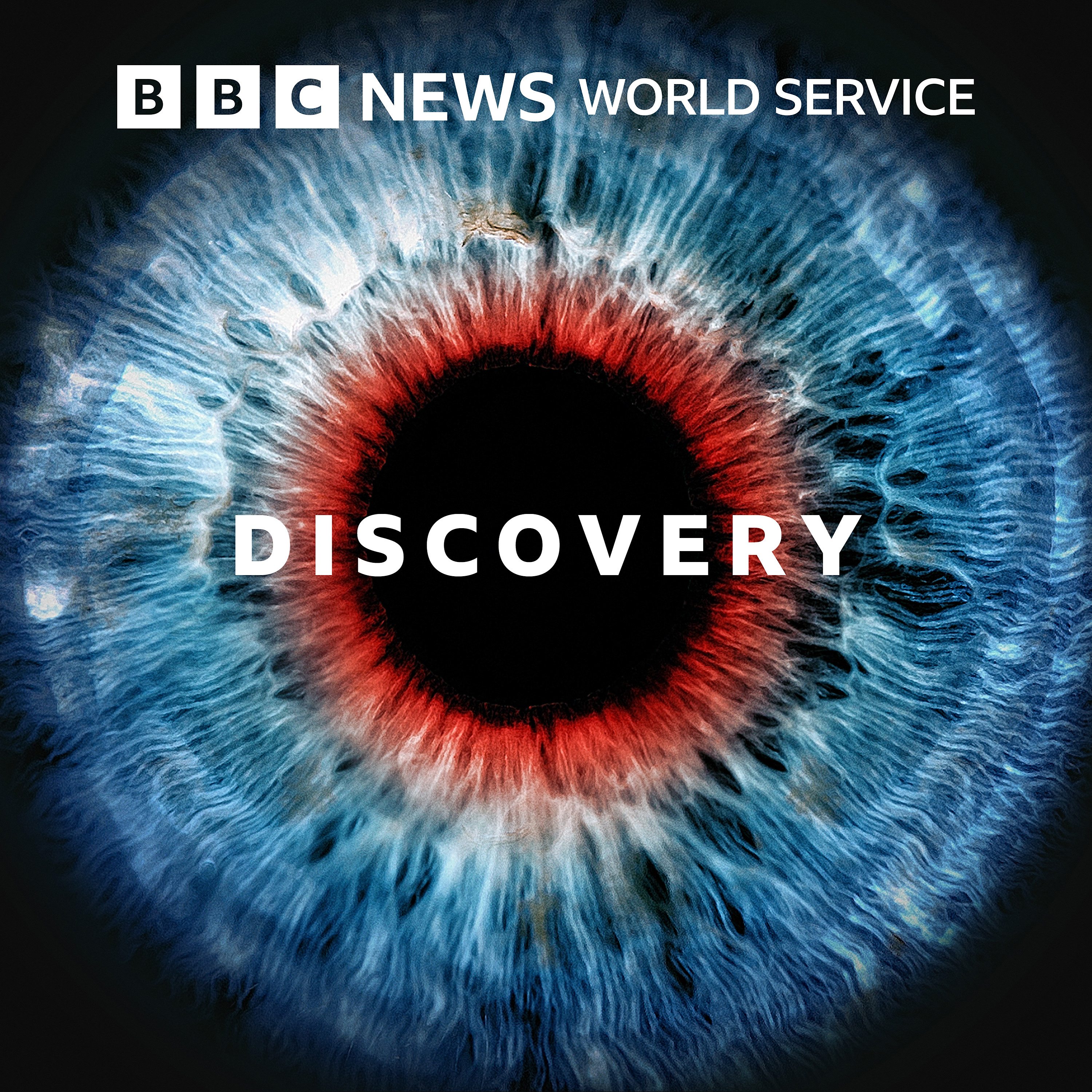
<p>Humanity’s impact on the Earth is so profound that we’re creating a new geological time period. Geologists have named the age we’re making the Anthropocene. The changes we’re making to the atmosphere, oceans, landscape and living things will leap out of the rocks forming today to Earth scientists of the far future, as clearly as the giant meteorite that ended the Age of the Dinosaurs does to today’s researchers. In this four part series, journalist Gaia Vince looks at the impact of these planetary transformations from the perspective of geological time. When was the last time comparable events happened in Earth history, and are what are the key marks we’re making on the planet that define the Anthropocene?</p><p>In this first programme, Gaia hears how the hand of humanity on the surface of the continent is geological in its sheer scale and its imprint will remain for millions of years. Through mining and quarrying, we shift billions more tonnes rock and sediment annually than all of the planet’s great rivers and glaciers combined. We are creating new strata in patterns Mother Earth never intended. </p><p>By turning 40% of the land from wild habitat to food production and then discovering how to turn the atmosphere’s nitrogen into synthetic fertiliser, we’ve become the biggest thing to happen to the whole planet’s nitrogen cycle in 2 billion years. </p><p>That’s not only causing immediate and serious environmental problems such as oxygen-depleted dead zones in coastal areas and the acceleration of climate change, our rock-shifting and nitrogenous activities will be preserved in the rocks of the future geological record for posterity. Our sedimentary and geochemical signals are exactly the kind geologists use to mark where one period of Earth history ends and another begins.</p><p>Presented by Gaia Vince Produced by Andrew Luck-Baker </p><p>(Image: Anthropocene data visualisation. Credit: International Geosphere-Biosphere Programme and Globaia)</p>
Posłuchaj tego odcinka po angielsku, by uczyć się angielskiego
Podcasty to jeden z najbardziej intensywnych sposobów na chłonięcie angielskiego w naturalnym tempie. The Age We Made - Part 1 od Discovery daje ci naturalne dialogi, nieprzygotowaną mowę i słownictwo, które faktycznie pojawia się w prawdziwych rozmowach.
W aplikacji Clue każde słowo w transkrypcji jest klikalne. Dotknij nieznanego słowa, zobacz tłumaczenie w swoim języku natychmiast i słuchaj dalej, nie tracąc rytmu.
Odcinki do nauki angielskiego
- The friendly virus 22 cze 2026
- The Life Scientific: Dean Lomax 15 cze 2026
- The Life Scientific: Helen Hastie 8 cze 2026
- The Life Scientific: Seth Berkley 1 cze 2026
- The Life Scientific: Hiranya Peiris 25 maj 2026
- The Life Scientific: Washington Yotto Ochieng 18 maj 2026
- The Life Scientific: Lucy Carpenter 11 maj 2026
- The Life Scientific: Jens Juul Holst 4 maj 2026
- The Life Scientific: Jim Ashworth-Beaumont 27 kwi 2026
- Inside Universe 25 20 kwi 2026
- Dark Breath 13 kwi 2026
- Superbugs: Resistance Rising Part 3 6 kwi 2026
- Superbugs: Resistance rising, part 2 30 mar 2026
- Superbugs: Resistance rising, part 1 23 mar 2026
- The Life Scientific: Jehane Ragai 16 mar 2026
- The Life Scientific: Tony Juniper 9 mar 2026
- The Life Scientific: Pierre Friedlingstein 2 mar 2026
- The Life Scientific: Julia Simner 23 lut 2026
- The Life Scientific: Caroline Smith 16 lut 2026
- The Life Scientific: AP De Silva 9 lut 2026
- The Life Scientific: Eleanor Schofield 2 lut 2026
- The Life Scientific: Peter Knight 26 sty 2026
- Frontiers of Earth Science 19 sty 2026
- Frontiers of Space Science 12 sty 2026
- What is Quantum? 5 sty 2026
- The Life Scientific: George Church 29 gru 2025
- The Life Scientific: Gareth Collett 22 gru 2025
- The Life Scientific: Sonia Gandhi 15 gru 2025
- The Life Scientific: Mark O'Shea 8 gru 2025
- Waking up with a different voice 1 gru 2025