
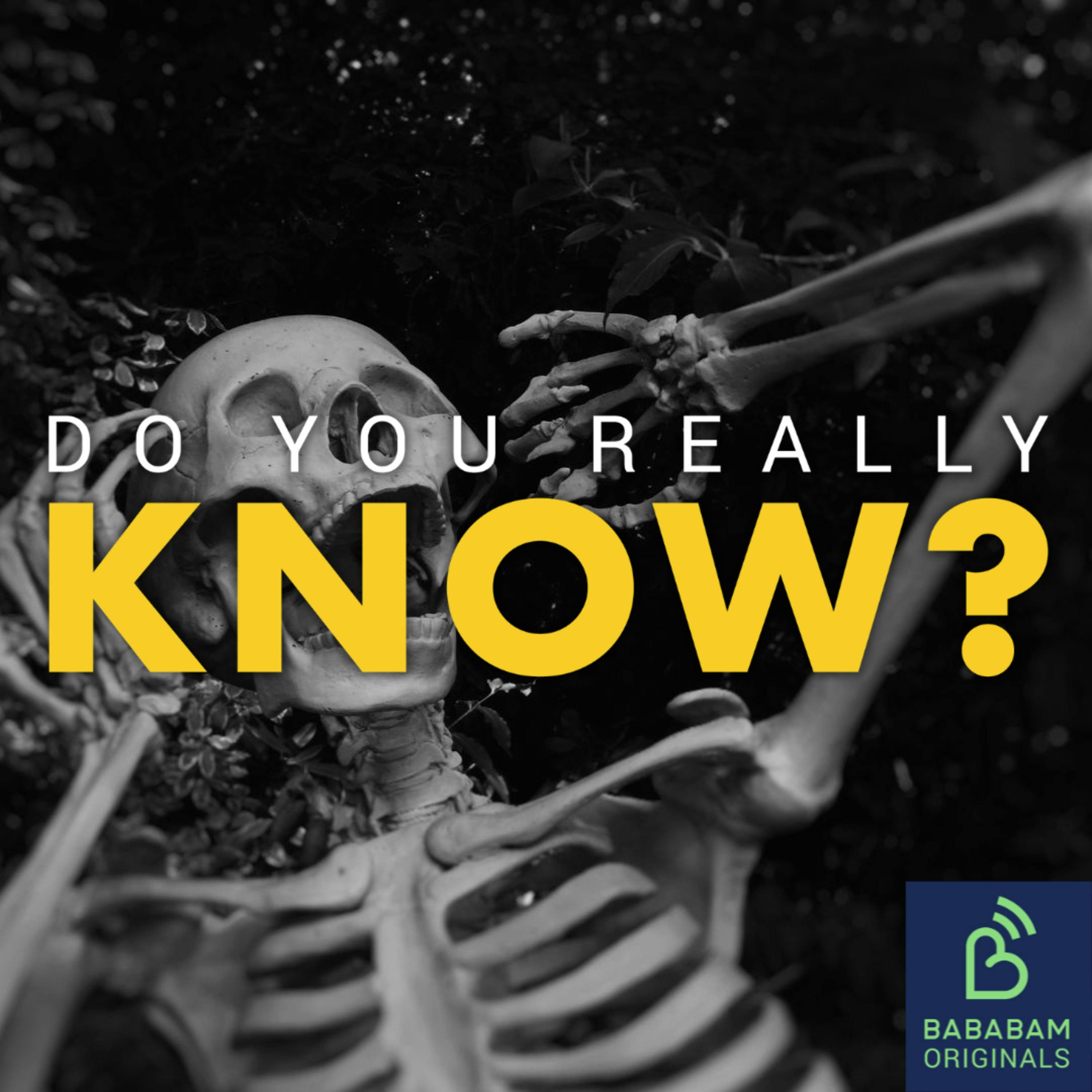
 Do you really know?
  Apri in Clue
 Su questo episodio
Ghost stories told around a camp fire, visiting a haunted house or watching a scary film are all common Halloween activities. We clearly enjoy scaring each-other and feeling scared, even though it seems completely counter intuitive. There are a number of reasons for this, which we'll explore in the episode. Fear is an emotional response to danger, both real or perceived. Our body releases a mixture of adrenaline and cortisol and triggers our ‘fight, flight or freeze’ response. It makes us more alert, speeds up our heart rate and increases our blood pressure. We breathe faster, delivering more oxygen to the brain, and our glucose levels spike, giving us an energy boost so we are ready to act or react. How does fear affect us physically? Is feeling relief the only reason we like to feel scared? Can you have too much of a good thing? In under 3 minutes, we answer your questions! To listen to the last episodes, you can click here: What is chromophobia? Why do we jump when we get scared? Why does not getting enough sleep make you selfish? A podcast written and realised by Amber Minogue. First broadcast: 27/10/2022 Learn more about your ad choices. Visit megaphone.fm/adchoices
Ascolta questo episodio in inglese per imparare l'inglese
Gli episodi di podcast sono uno dei modi più densi per assorbire l'inglese al ritmo nativo. Why do we enjoy being scared? di Do you really know? ti dà dialoghi naturali, parlato non scriptato e vocabolario che davvero compare nelle conversazioni reali.
Nell'app Clue, ogni parola della trascrizione è toccabile. Tocca una parola sconosciuta, vedi la traduzione nella tua lingua all'istante e continua ad ascoltare senza spezzare il flusso.
Episodi per imparare l'inglese
- Is holding back a sneeze dangerous? 11 lug 2026
- Is it bad to drink water with a meal? 11 lug 2026
- How can I relax my brain while on holiday? 11 lug 2026
- Why is my circadian rhythm so important? 10 lug 2026
- What do I need to know before getting laser eye surgery? 10 lug 2026
- What is false memory syndrome? 10 lug 2026
- Does sleeping next to someone improve sleep quality? 9 lug 2026
- Which foods mustn't you put in the microwave? 9 lug 2026
- How can I overcome my fear of speaking in public? 9 lug 2026
- Why are celebrities dissolving their facial fillers? 8 lug 2026
- What does the popcorn index teach us about the economy? 8 lug 2026
- What are the dirtiest objects in your home? 8 lug 2026
- Discover our podcast in French: Maintenant Vous Savez! 7 lug 2026
- Could "mouth taping" really help me sleep better? 7 lug 2026
- Are you an “ambivert”? 7 lug 2026
- How can you tell if you’re stingy? 7 lug 2026
- How can you secure your home before leaving on holiday? 6 lug 2026
- What can be done about snoring? 6 lug 2026
- What is class-passing? 6 lug 2026
- What is the influence of the God complex in the workplace? 5 lug 2026
- Could intentional lazy parenting foster your child's independence? 5 lug 2026
- Should I be cleaning my belly button? 5 lug 2026
- What is climate optimism? 4 lug 2026
- Why do we get the post-sex blues? 4 lug 2026
- How can I save money when using electrical appliances? 4 lug 2026
- Is Britain the new place to get your wine? 3 lug 2026
- Can plants communicate with one another? 3 lug 2026
- What is Mukbang, the latest type of video going viral on social media? 3 lug 2026
- What are the alternatives to air conditioning? 2 lug 2026
- Can I reuse sunscreen from one year to the next? 2 lug 2026


