
Questions With DO / DOES/ DID/ HAVE/ HAS / COULD / WOULD / SHOULD | English Grammar Lesson - Ananya
 Learn English | Lets Talk - Free English Lessons
  Ouvrir dans Clue
À propos de cette vidéo
Do you get confused while making English questions like: Do you…? / Does he…? / Did they…? / Have you…? / Has she…? / Could you…? / Would you…? / Should I…? Most learners don’t struggle with vocabulary here — they struggle with question structure. In this lesson, you’ll learn one clear system to form correct questions using DO / DOES / DID / HAVE / HAS and polite question forms with COULD / WOULD / SHOULD. 👉 Online English Course Details - https://www.letstalk.academy/s/store OR 👉Send 'HI' on WhatsApp no - +919324246223 👉Pronunciation & Accent Course https://www.letstalk.academy/s/store/courses/Accent What you’ll learn in this video: How to form yes/no questions correctly (the fastest way to sound fluent) When to use do/does (present simple) and did (past simple) When to use have/has (present perfect questions like “Have you ever…?”) The big confusion: Have as a main verb vs Have as a helping verb How to ask polite requests using could / would How to ask for advice and suggestions using should Common mistakes + corrected examples Quick practice so you can start using these question forms in real life 🎯 If you want to speak fluent English, you must learn question formation properly — because questions are used everywhere: conversations, interviews, meetings, and daily life. 📌 Practice tip: After each rule, pause and make 2 questions about your own life. That’s how you remember it permanently. 👉 Subscribe to English With Ananya for more grammar lessons that improve spoken English. 👍 Like | 💬 Comment one sentence using “Do you…?” and one using “Have you…?” | 🔔 Subscribe Time Stamps: 0:10 Questions with -be verb 0:40 Questions with DO / Does/Did 2:15 Questions with Have /Has 3:14 Questions With Modal Verbs 3:31 Common Grammar Mistakes 7:00 English Grammar Quiz This video is perfect for English language learners of all levels who want to improve their conversational skills. Don't forget to: Subscribe for more English grammar lessons Like this video if it helped you Comment with your questions or examples Check out our full English learning playlist 👉Conjunctions - UNLESS VS UNTIL https://youtu.be/ypBPTy_qkkU 👉Everyday Confusing Word Pairs https://youtu.be/81uprEp79_Q 👉Difference Between Made OF / Made FROM / Made WITH https://youtu.be/yza8oFBUZcM Either Or vs Neither Nor | Correlative Conjunctions https://youtu.be/HyM1BhTiOSQ 👉All Uses Of WOULD https://youtu.be/mgguxsS_wes 👉All Uses Of COULD https://youtu.be/z_PyX-NAKEI 👉All Uses Of SHOULD https://youtu.be/UsxM25IJdb8 👉When To Use HAVE & HAVING? https://youtu.be/Pd18sFxtoUo 👉Master All Uses of BEING https://youtu.be/-F8C6xM0Tyc #englishgrammar #spokenenglish #learnenglish #englishlearning #englishspeaking #questionformation #englishquestions #do #does #did #have #has #could #would #should #auxiliaryverbs #helpingverbs #modalverbs #presentsimple #pastsimple #presentperfect #grammarlesson #englishpractice #englishfluency #improveenglish #englishspeakingtips #englishmistakes #commonmistakes #englishsentences #englishconversation #englishcommunication #spokenenglishgrammar #learnenglishwithananya #englishwithananya #englishclass #englishstudy #englishskills #englishlearningvideo #englishchannel #learnenglishonline #englishonline #esl #esllearners #englishstudents #englishtraining #englishdailypractice #englishimprovement #politeenglish #englishforinterviews #englishforwork#englishcourse
Regarde cette vidéo en anglais pour apprendre l'anglais
Regarder de vraies vidéos YouTube en anglais avec sous-titres est l'un des moyens les plus denses d'absorber la langue. Questions With DO / DOES/ DID/ HAVE/ HAS / COULD / WOULD / SHOULD | English Grammar Lesson - Ananya de Learn English | Lets Talk - Free English Lessons t'apporte un rythme natif, une intonation naturelle et du vocabulaire que tu rencontreras vraiment dans des conversations réelles.
Dans Clue, chaque sous-titre se traduit au toucher. Pas besoin de changer d'app, de mettre en pause, ni d'ouvrir un dictionnaire. Regarde, c'est tout.
Vidéos pour apprendre l'anglais
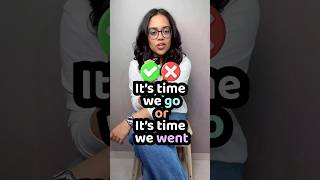
It's time we go VS It's time we went | Common Spoken English Mistakes | English With Ananya

10 Phrasal Verbs with MAKE You Must Know For English Fluency | Intermediate & Advanced English

14 Everyday Words That Boggle Your Mind | Common Mistakes In English Even Advanced Speakers Make!

Smart Telephone English Phrases You Must Know! Speak English Confidently | Advanced Expressions
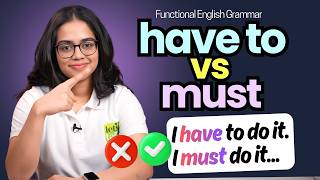
Have To VS Must | English Grammar Lesson | Learn English With Ananya | English Doubt Solving

Stop Speaking Boring English! Advanced Phrases To Make You Sound Fluent | Upgrade Your English

Fashion Vocabulary & Expressions You Need To Know! Speak In English Like A Pro! #esl #letstalk
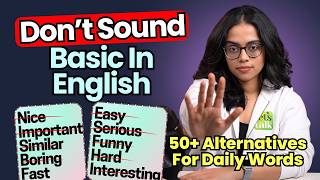
Still Using Overused English Words | Replace Them With 50+ Advanced Alternatives
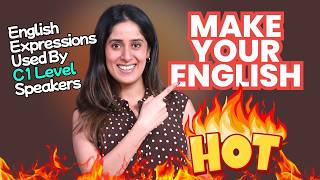
10 'HOT' Expressions Only Advanced English Speakers Know! C1 Level English Phrases For Daily Use!

All Uses Of BEEN and BEING | Functional English Grammar Lesson | English With Ananya

10 Spoken English Mistakes You Are Making Repeatedly Everyday | Redundant English Phrases
Advanced English Verbs You Must Include In Your Vocabulary | C1 Level English | Speak Fluent English


