 Ouvrir dans Clue
 À propos de cet épisode
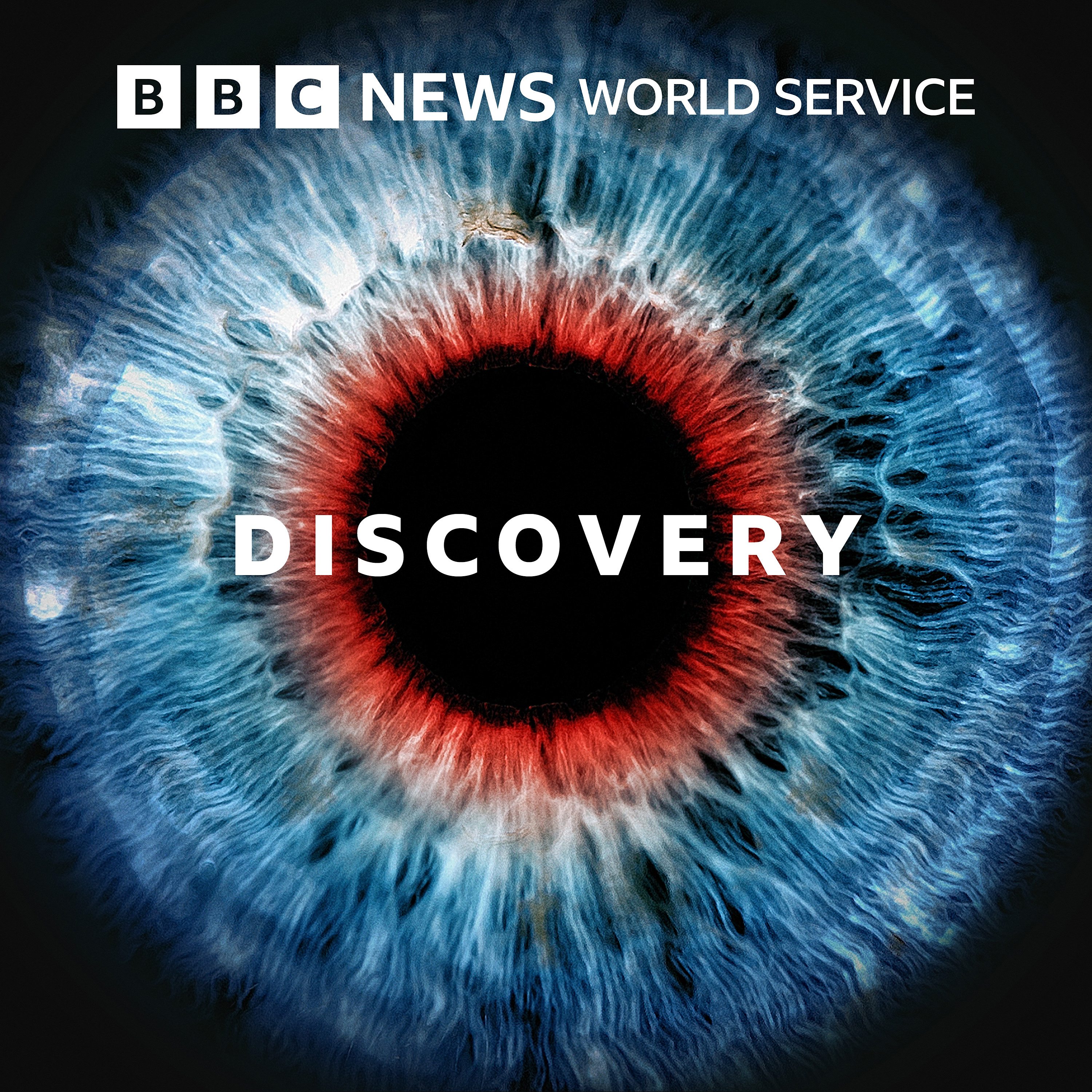
<p>Whether it's gossiping over a drink, teaching our children, or politicians debating we use words to communicate with each other and share ideas. It’s what makes us human. But what if we can’t? Could it be possible to broadcast our thoughts directly from our brains without the need for speech? Gaia Vince meets the scientists who say they are getting close to being able to read minds. </p><p>For the last decade neuroscientists have been using fMRI brain scanners and EEG to try to communicate with people who’d been diagnosed as being in a persistent vegetative state. They have woken up following a coma but although their eyes are open and they have spontaneous movements, they have no cognitive function and are not capable of higher level thought. Dr Damian Cruse, of Birmingham University, tells Gaia about the results of these experiments. </p><p>People with other medical conditions that lead to a loss of speech, such as motor neurone disease, can already communicate with technology. We hear from Sarah Ezekiel, who has had MND since 2000 and whose life has been transformed by being able to talk artificially with eyegaze software on a computer. </p><p>Neurologist Dr Kai Miller at Stanford University explains how he is using electrodes already implanted in the brains of people with severe epilepsy to determine what they are seeing. </p><p>And Gaia explores the ethical problems that follow from technology that captures thoughts with cognitive scientist and philosopher Dr Adina Roskies of Dartmouth College in the US and Professor Geraint Rees, the editor of a recent collection of essays called "I know what you're thinking: brain imaging and mental privacy". She looks at the controversial privacy issues raised by the technology, such as could someone put thoughts into another's mind?</p><p>Image: Fortune teller gazing into a crystal ball, © Creatas</p>
Écoute cet épisode en anglais pour apprendre l'anglais
Les épisodes de podcast sont l'un des moyens les plus denses d'absorber l'anglais au rythme natif. Mind Reading de Discovery t'offre des dialogues naturels, une parole non scriptée et du vocabulaire qui apparaît vraiment dans les conversations réelles.
Dans Clue, chaque mot de la transcription est touchable. Touche un mot inconnu, vois la traduction dans ta langue instantanément, et continue d'écouter sans casser le rythme.
Épisodes pour apprendre l'anglais
- The friendly virus 22 juin 2026
- The Life Scientific: Dean Lomax 15 juin 2026
- The Life Scientific: Helen Hastie 8 juin 2026
- The Life Scientific: Seth Berkley 1 juin 2026
- The Life Scientific: Hiranya Peiris 25 mai 2026
- The Life Scientific: Washington Yotto Ochieng 18 mai 2026
- The Life Scientific: Lucy Carpenter 11 mai 2026
- The Life Scientific: Jens Juul Holst 4 mai 2026
- The Life Scientific: Jim Ashworth-Beaumont 27 avr. 2026
- Inside Universe 25 20 avr. 2026
- Dark Breath 13 avr. 2026
- Superbugs: Resistance Rising Part 3 6 avr. 2026
- Superbugs: Resistance rising, part 2 30 mars 2026
- Superbugs: Resistance rising, part 1 23 mars 2026
- The Life Scientific: Jehane Ragai 16 mars 2026
- The Life Scientific: Tony Juniper 9 mars 2026
- The Life Scientific: Pierre Friedlingstein 2 mars 2026
- The Life Scientific: Julia Simner 23 févr. 2026
- The Life Scientific: Caroline Smith 16 févr. 2026
- The Life Scientific: AP De Silva 9 févr. 2026
- The Life Scientific: Eleanor Schofield 2 févr. 2026
- The Life Scientific: Peter Knight 26 janv. 2026
- Frontiers of Earth Science 19 janv. 2026
- Frontiers of Space Science 12 janv. 2026
- What is Quantum? 5 janv. 2026
- The Life Scientific: George Church 29 déc. 2025
- The Life Scientific: Gareth Collett 22 déc. 2025
- The Life Scientific: Sonia Gandhi 15 déc. 2025
- The Life Scientific: Mark O'Shea 8 déc. 2025
- Waking up with a different voice 1 déc. 2025