 In Clue öffnen
 Über diese Folge
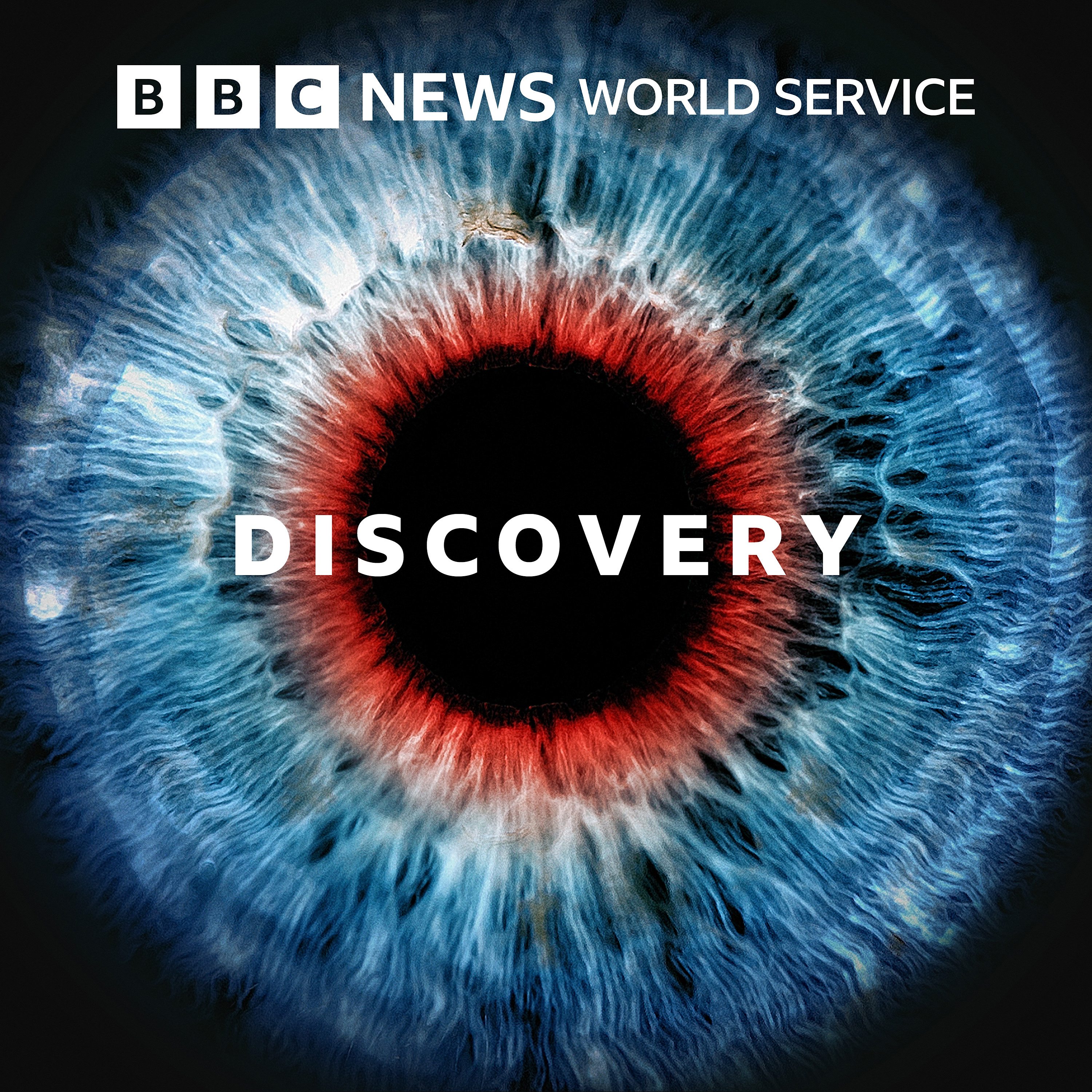
<p>Matthew Cobb, Professor of Zoology at the University of Manchester, explores the hidden world of prestige, profits and piracy that lurks behind scientific journals. </p><p>Each year, hundreds of thousands of articles on the findings on research are published, forming the official record of science. This has been going on since the 17th century, but recently a kind of war has broken out over the cost of journals to the universities and research institutions where scientists work, and to anyone else who wants to access the research, such as policy makers, patient support groups and the general public. </p><p>Traditionally journals charge their readers a subscription, but since the start of the 21st century there's been a move to what's called open access, where the authors pay to get their articles published but anyone can read them, without charge. In Europe Plan S has called for all research funded by the public purse to be open access, by 2021. If and when this is implemented it could have downsides on learned societies who depend on income from journal subscriptions to support young researchers and on scientists in the less developed world. </p><p>Some universities, and even countries, have recently refused to pay the subscriptions charged by some of the big science publishers. This has led to some scientists using a service run by a Russian hacker, which has effectively stolen the whole of the scientific literature and gives it away, free, on the internet. </p><p>Matthew Cobb looks back at how the scientific publishing industry got to its current state and asks how it could change. He argues that scientists themselves need to break their addiction to wanting their articles to appear in a few well known journals, and instead concentrate on the quality of their research.</p>
Hör diese Folge auf Englisch, um Englisch zu lernen
Podcast-Folgen sind eine der dichtesten Möglichkeiten, Englisch im nativen Tempo aufzunehmen. The Great Science Publishing Scandal von Discovery bietet dir natürliche Dialoge, unvorbereitete Sprache und Vokabular, das wirklich in echten Gesprächen auftaucht.
In der Clue-App ist jedes Wort im Transkript antippbar. Tippe auf ein unbekanntes Wort, sieh die Übersetzung in deiner Sprache sofort und höre weiter, ohne aus dem Fluss zu kommen.
Folgen zum Englischlernen
- The friendly virus 22. Juni 2026
- The Life Scientific: Dean Lomax 15. Juni 2026
- The Life Scientific: Helen Hastie 8. Juni 2026
- The Life Scientific: Seth Berkley 1. Juni 2026
- The Life Scientific: Hiranya Peiris 25. Mai 2026
- The Life Scientific: Washington Yotto Ochieng 18. Mai 2026
- The Life Scientific: Lucy Carpenter 11. Mai 2026
- The Life Scientific: Jens Juul Holst 4. Mai 2026
- The Life Scientific: Jim Ashworth-Beaumont 27. Apr. 2026
- Inside Universe 25 20. Apr. 2026
- Dark Breath 13. Apr. 2026
- Superbugs: Resistance Rising Part 3 6. Apr. 2026
- Superbugs: Resistance rising, part 2 30. März 2026
- Superbugs: Resistance rising, part 1 23. März 2026
- The Life Scientific: Jehane Ragai 16. März 2026
- The Life Scientific: Tony Juniper 9. März 2026
- The Life Scientific: Pierre Friedlingstein 2. März 2026
- The Life Scientific: Julia Simner 23. Feb. 2026
- The Life Scientific: Caroline Smith 16. Feb. 2026
- The Life Scientific: AP De Silva 9. Feb. 2026
- The Life Scientific: Eleanor Schofield 2. Feb. 2026
- The Life Scientific: Peter Knight 26. Jan. 2026
- Frontiers of Earth Science 19. Jan. 2026
- Frontiers of Space Science 12. Jan. 2026
- What is Quantum? 5. Jan. 2026
- The Life Scientific: George Church 29. Dez. 2025
- The Life Scientific: Gareth Collett 22. Dez. 2025
- The Life Scientific: Sonia Gandhi 15. Dez. 2025
- The Life Scientific: Mark O'Shea 8. Dez. 2025
- Waking up with a different voice 1. Dez. 2025