


Elif Kaya
Contributing writer · Published May 22, 2026
Best English Films with Subtitles for Learners by Level
Films are one of the most enjoyable ways to practice English — and one of the most misused. The key is using subtitles correctly for your level and choosing films where comprehension is realistic. This list covers films organized by CEFR level, with notes on accent, dialogue density, and what makes each film useful for learners.
How to Use Subtitles for Maximum Learning
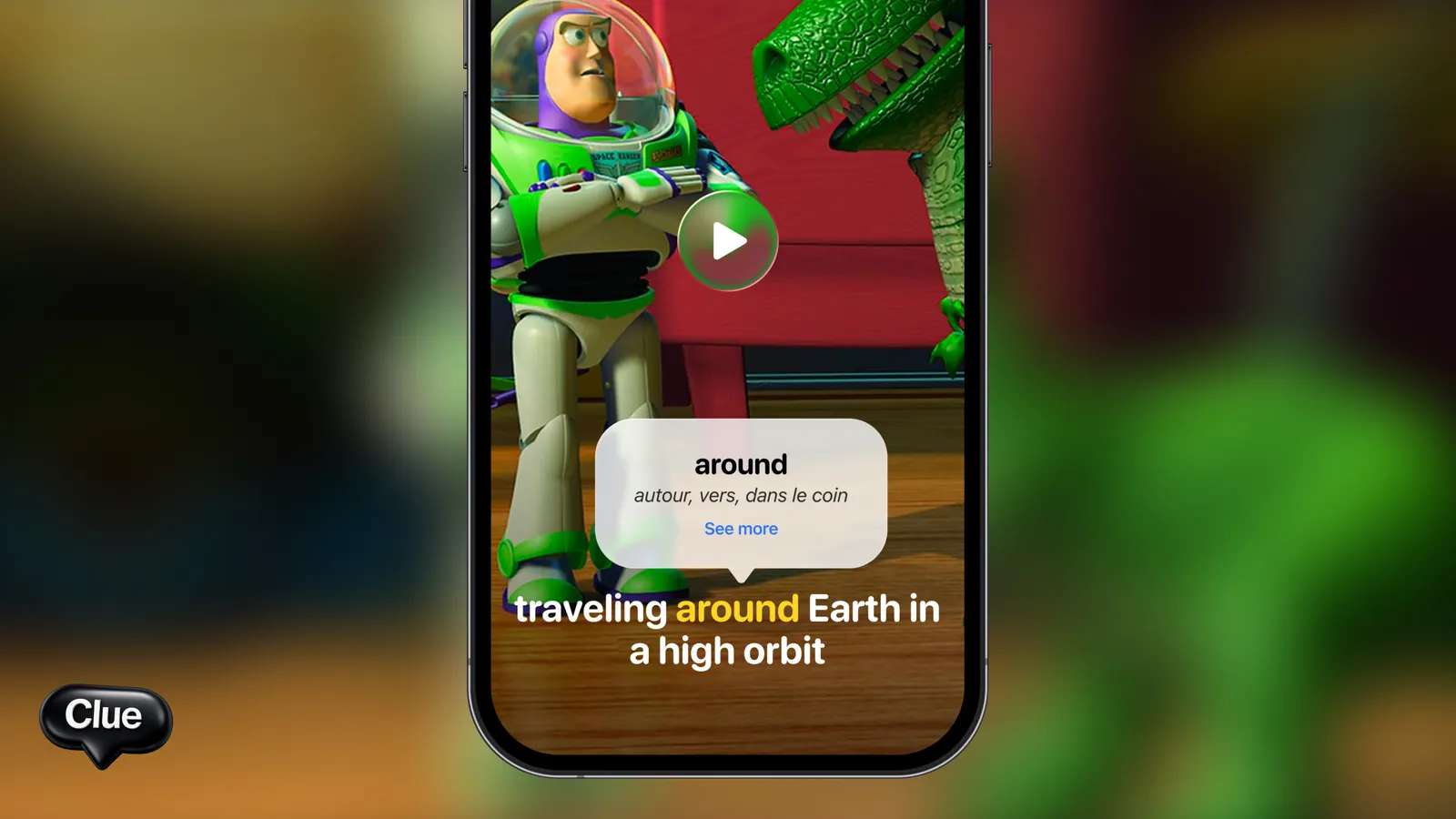
Before the film list: subtitle strategy matters more than film choice.
Native-language subtitles: You read your language, hear English. This develops listening familiarity and general immersion but primarily trains your reading in your native language, not English comprehension. Best for films well above your current listening level, when you want to enjoy the story.
English subtitles: You read and hear English simultaneously. This trains reading-sound connection — your brain learns how English words sound. Much better for language development than native-language subtitles. Use this from B1 onward.
No subtitles: Pure listening comprehension training. Best at B2–C1 for films where you already understand 80%+ without subtitles. Challenging but effective.
The progression for a B1 learner: start with English subtitles, use them consistently. When a film feels comfortable at B2, try one without subtitles. Return to subtitles for the parts you missed.
A note on the “active watching” method: watch a 10-minute segment, pause, write down (in English) what happened. Then rewatch with subtitles. The before/after comparison on comprehension is both motivating and genuinely instructive.
A2 Films: Start Here
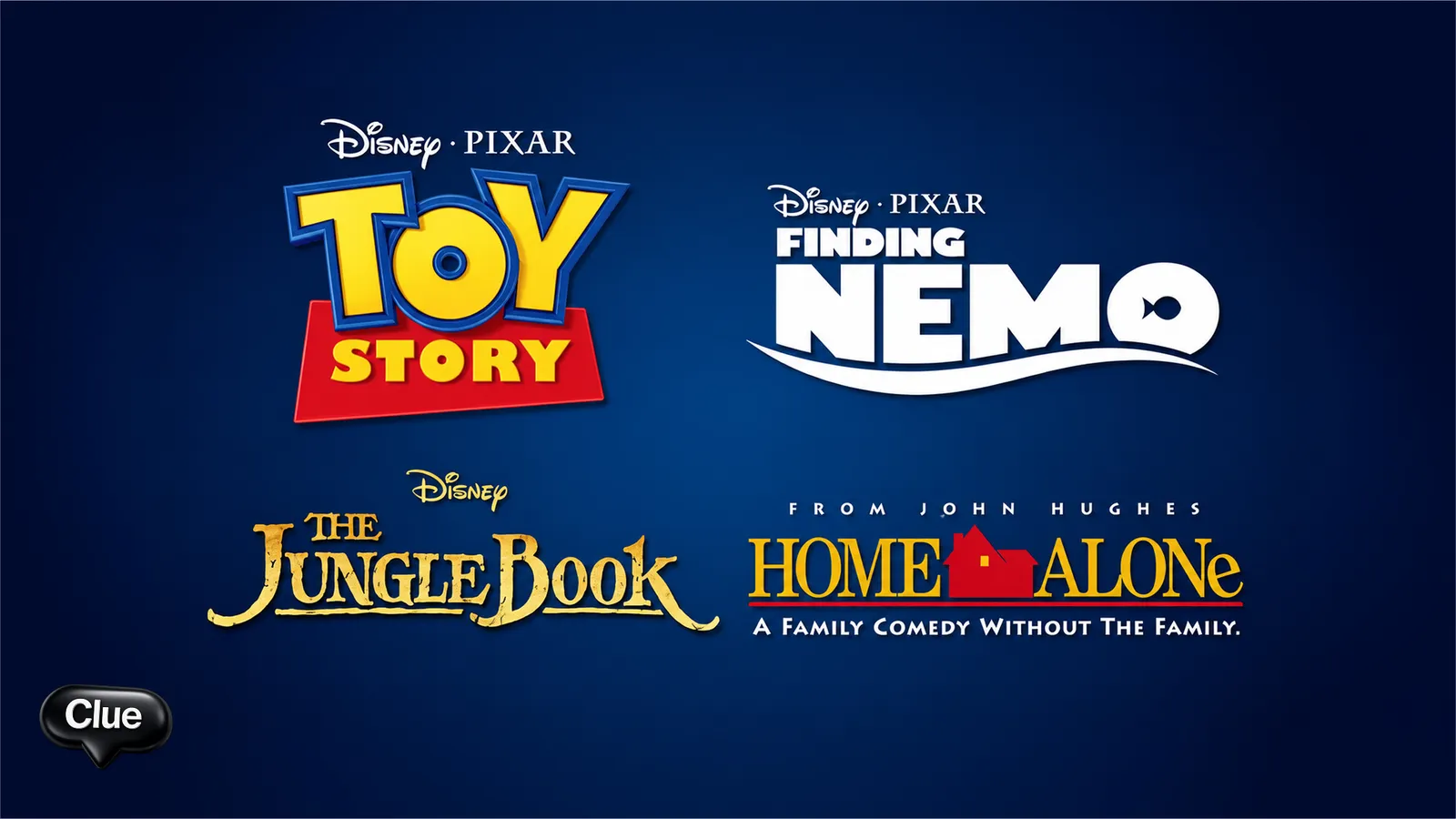
At A2, prioritize films with clear speech, familiar situations, and visual context that compensates for vocabulary gaps.
Toy Story (1995) — Pixar American English, very clear dialogue, simple vocabulary, familiar themes. The visual storytelling means you don’t need to follow every word to understand the story. Excellent starting point. Available with English subtitles on Disney+.
Finding Nemo (2003) — Pixar Similar advantages to Toy Story. The oceanic vocabulary is new but visual. Dialogue is emotionally expressive, helping you connect tone and meaning. Good for learning everyday conversation patterns.
The Jungle Book (2016) — Disney live-action Slower-paced dialogue in many scenes, clear American English, beautiful visual context. Some old-fashioned vocabulary from the animated original is updated here.
Home Alone (1990) Christmas film, American English, visual comedy makes most scenes self-explanatory. Vocabulary is everyday household and family-related. The broad comedy means missing some dialogue doesn’t ruin comprehension.
What to look for at A2: Visual storytelling that carries the narrative, clear standard American or British English, familiar settings and relationships.
B1 Films: Where Real Learning Begins
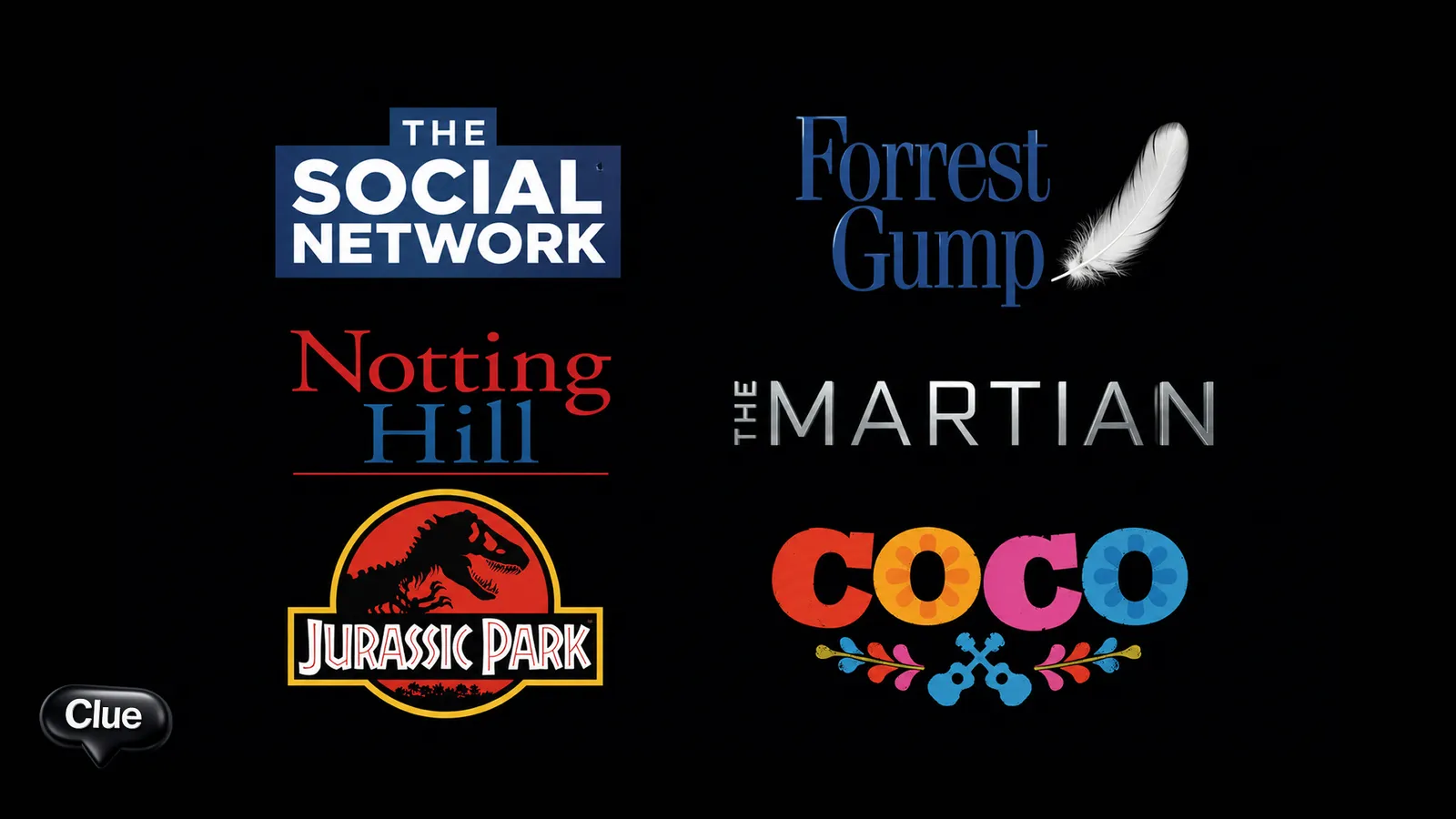
At B1, you can follow dialogue when speech is clear and topic is familiar. Films with clear narration, contemporary settings, and moderate pace work well.
The Social Network (2010) Fast-paced dialogue, contemporary American English, technology and business vocabulary. Challenging at B1 but manageable with English subtitles. Aaron Sorkin’s screenplay is dense — unusually rich vocabulary and wit. Excellent for B1 learners who want to push toward B2.
Forrest Gump (1994) Southern American English accent (notable for accent variation practice), clear monologue narration, episodic structure. The simple-minded narrator makes the language accessible while the story is sophisticated. Widely used in English language classrooms globally.
Notting Hill (1999) British English (London), contemporary dialogue, romantic comedy format. Natural everyday conversation. Clear accents, moderate pace. Useful for learners who need British English exposure.
The Martian (2015) American English, first-person narration style (from the book), technical vocabulary explained in context through the story. Science content but accessible. Moderate dialogue density; the action carries scenes where dialogue is sparse.
Jurassic Park (1993) American English, classic adventure pacing. Clear exposition scenes explain scientific concepts in plain language. Vocabulary is science and nature-adjacent. Still genuinely gripping — engagement sustains attention through difficult vocabulary.
Coco (2017) — Pixar Contemporary American English with Spanish influence. Family-centered vocabulary, emotional storytelling, clear dialogue. Particularly useful for Spanish speakers as it bridges familiar cultural ground. B1 level with many accessible A2 passages.
B2 Films: Authentic English, Real Complexity
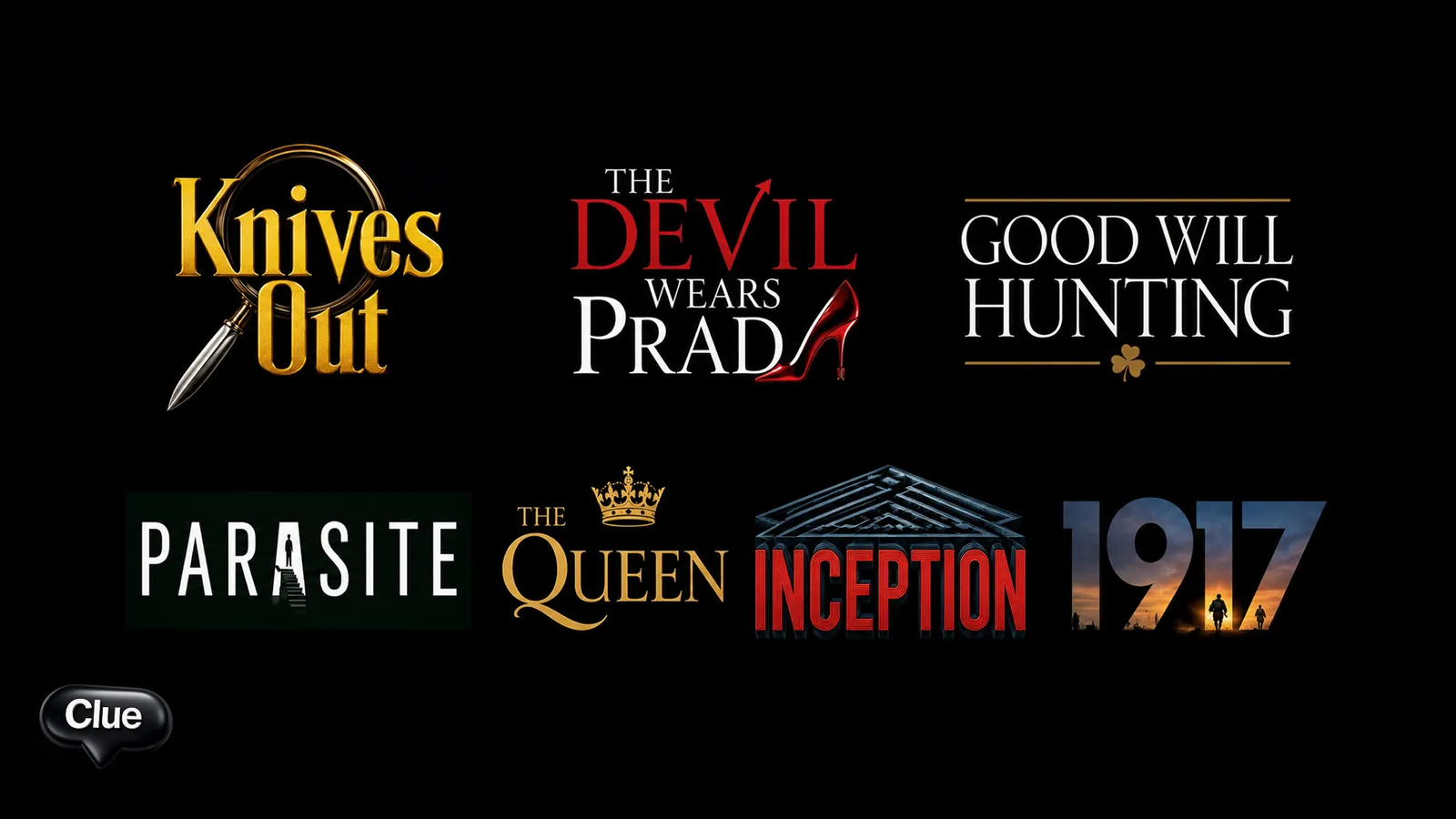
At B2, you can follow authentic adult speech in most situations. Films at this level use natural dialogue, vary accents, and include idiomatic language.
Knives Out (2019) Multiple accents (American, British), rapid dialogue, mystery plot that requires close listening. Vocabulary is sophisticated but the narrative pulls your attention. Rewatching with English subtitles reveals missed content. Excellent B2 challenge.
The Devil Wears Prada (2006) New York American English, fashion industry vocabulary, fast-paced dialogue. Meryl Streep’s character speaks in a particular register — clipped, precise, understated. The contrast between speech styles within the film makes it pedagogically interesting.
Good Will Hunting (1997) Boston American accent (distinct from General American), academic and working-class vocabulary. Long dialogue scenes, psychotherapy conversations, mathematical discussion. Linguistically dense but emotionally engaging.
Parasite (2019) Available with English dubbing or subtitles. If you watch the English dubbed version, you hear natural contemporary English; it’s a clean B2 listening exercise on top of an extraordinary film.
The Queen (2006) British English (Royal Standard and modern), political vocabulary, understated emotional expression typical of British character. Very clear speech from Helen Mirren; excellent for learners specifically working on formal British English.
Inception (2010) Contemporary American English, complex conceptual vocabulary around dreams and consciousness, dense exposition. Genuinely challenging at B2 but rewarding — following the plot requires active listening.
1917 (2019) British English, military and early 20th century vocabulary. Long stretches with minimal dialogue followed by intense conversation. Strong for listening in varied conditions (quiet scenes, combat scenes).
C1 Films: Style, Register, and Nuance
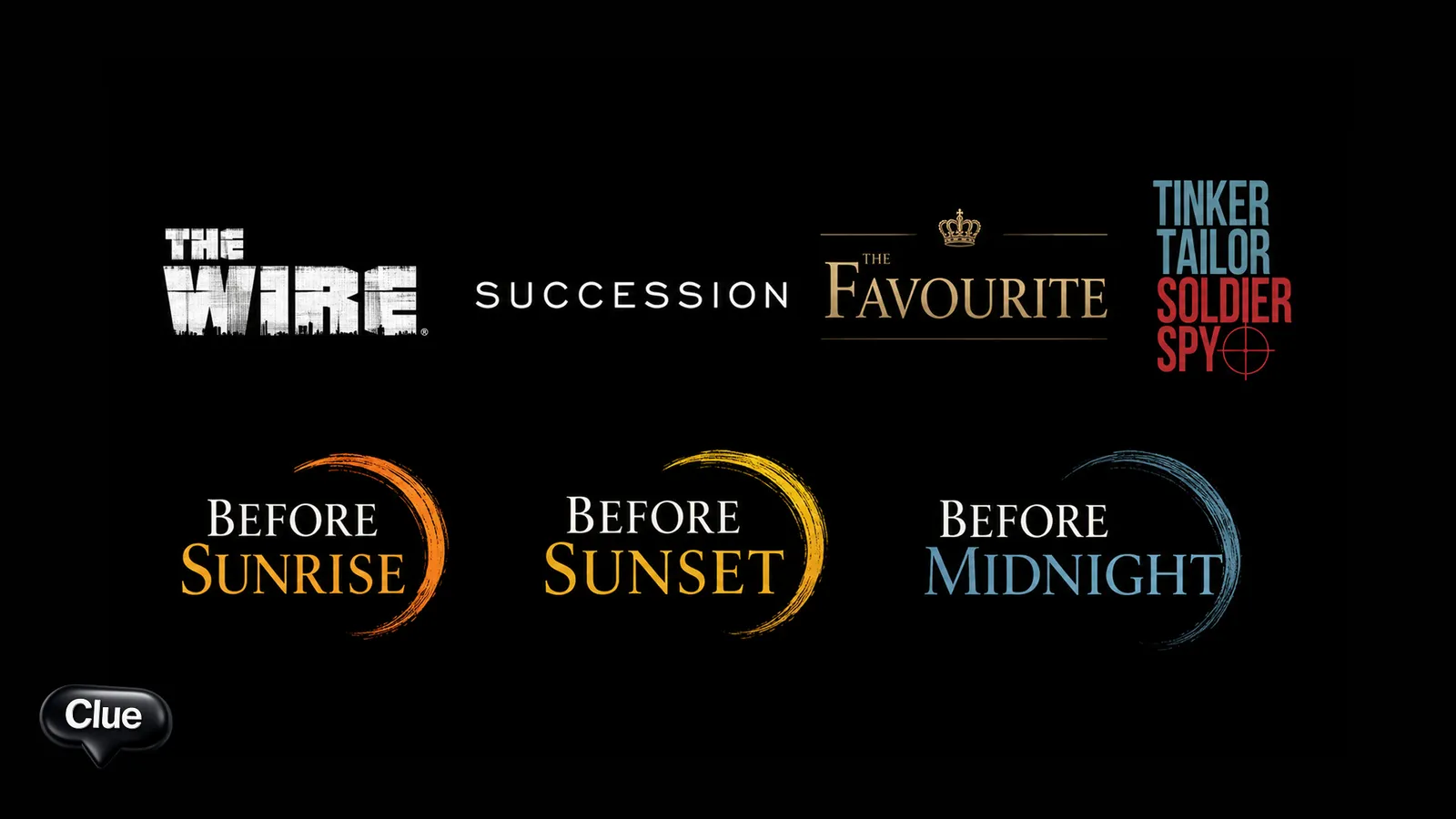
At C1, you’re not seeking comprehension support — you’re studying style, register variation, idiomatic language, and culturally specific references.
The Wire (TV Series, 2002–2008) African-American Vernacular English, Baltimore working-class speech, police procedural vocabulary. Deliberately difficult dialogue — the show is known for making no concessions to comprehension. C1 learners studying authentic American English dialects will find this invaluable. English subtitles essential initially.
Succession (TV Series, 2018–2023) Upper-class American and British English, media and business vocabulary, rapid witty dialogue, extensive profanity. The verbal sparring is linguistically dense. Examining how characters use language to dominate, deflect, and signal status is a C1-level language study in itself.
The Favourite (2018) 18th-century British English with contemporary profanity overlay. Historical vocabulary mixed with anachronistic speech — intentional stylistic choice by director Yorgos Lanthimos. Complex sociolinguistic study for C1.
Tinker Tailor Soldier Spy (2011) British English, Cold War intelligence vocabulary, deliberately understated delivery. The quietness of the film demands attentive listening. C1 listeners can study how much is conveyed through understatement rather than explicit statement.
Before Sunrise / Before Sunset / Before Midnight (trilogy, 1995/2004/2013) Contemporary American and European English in extended dialogue. These films are almost entirely conversation — philosophy, relationships, art, language itself. Rich vocabulary delivered at natural pace. Transcripts are available online for study after watching.
Practical Tips for Film-Based Language Learning
Keep a scene journal. After a film, write three sentences about one scene in English. This forces active recall of vocabulary you encountered.
The rewatch method. Watch a film first with native-language subtitles to understand the story. Watch a second time with English subtitles. Watch a third time (or key scenes) without subtitles. Each pass develops a different skill.
Pause and repeat. For lines you find interesting, funny, or confusing: pause, rewind 10 seconds, say the line aloud before the character does. This light shadowing builds production familiarity with natural speech patterns.
Look up after, not during. Pausing to look up every unknown word during a film breaks immersion and trains dictionary dependency. Note words mentally (or write them after), look them up after the film, then add them to your review.
Don’t limit yourself to English-language original films. Foreign-language films with English dubbing (see Parasite above) and documentaries in English are both valid. The English in documentaries is often clearer and more natural than scripted film dialogue.
Common Mistakes Watching Films for Language Learning
Treating entertainment as study. A film watched purely for enjoyment with native-language subtitles is entertainment. It’s pleasant and has marginal English benefit. It only becomes study when you add English subtitles, active attention, or a vocabulary review step.
Choosing films above your listening level without subtitle support. A B1 learner watching The Wire without subtitles is hearing a foreign language. The discomfort is not productive — comprehension is too low for acquisition.
Watching everything in American English only. Real-world English is British, Australian, Irish, Indian, South African, Caribbean. Deliberately varying your film and TV diet by accent prepares you for the English you’ll actually encounter.
Never rewatching. Rewatching scenes where you missed things is one of the highest-value activities in film-based language learning. The rewatch time is not wasted — it’s where the comprehension gap closes.
FAQ
Should I watch films with English subtitles from the beginning of learning? From A2 onward, English subtitles are more useful than native-language subtitles. At A0–A1, native-language subtitles make more sense because the gap between what you hear and what you know is too large for English-subtitle reading to help.
Are Netflix’s English subtitles accurate? Reasonably accurate. Netflix subtitles are generally provided by the rights holder or created by professional captioners. Auto-generated subtitles are less reliable. If both are available (CC vs. subtitles), choose CC.
Can I learn a specific accent by watching films? Yes, to a degree. Prolonged exposure to a specific accent (via narrow listening with films from a consistent regional source) develops recognition and, with active shadowing, some production. Deliberately choosing British or Australian films alongside American ones develops accent flexibility.
How many hours of film per week makes a meaningful difference? 2–4 hours of active watching (English subtitles, attention engaged) per week produces noticeable listening improvement over months. 2 hours of passive watching (half-attention, native subtitles) has much less impact.
What are the easiest English accents for non-native speakers to understand? General American (standard US news English) and RP British English are typically clearest for learners. Regional accents (Scottish, Irish, Cockney, Caribbean) require more exposure to calibrate. Start with clear General American or RP, then deliberately expose yourself to regional varieties.
Film as a Sustained Learning Tool
The films on this list aren’t homework. They’re starting points for finding English content you genuinely want to watch. The sustainable learning approach is watching English content you’d choose anyway — and adding the active elements (English subtitles, vocabulary notes, light shadowing) that turn enjoyment into skill development.
Find the film. Use the right subtitles. Come back to the scenes that confused you. That’s the whole method.
Read in other languages
Related articles
- Learn English from Scratch: A0 to B1 on Your Own Starting English from zero as an adult is a different challenge than continuing from an intermediate level. You have no vocabulary to fall back on, no gram
- Clue vs ChatGPT for Learning English: Which Should You Use in 2026? ChatGPT is a brilliant on-demand tutor; Clue turns real podcasts, videos and books into comprehensible input. How they differ and why most learners use both.
- English for Turkish Speakers Learn English from real podcasts, videos, and books with one-tap Turkish translations. Offline dictionary, built for Turkish speakers ready for real content.
- Clue vs Busuu: Which Is Better for Learning English in 2026? Busuu pairs structured courses with feedback from native speakers; Clue turns real podcasts, videos and books into comprehensible input. How they compare.


